What Are the Top Types of Wire Mesh Panels?

Choosing among the top types of wire mesh panels is rarely a simple shopping decision. The right panel depends on load, opening size, environment, finish, and installation method. A security fence near a coastal road faces salt spray, while an interior machine guard may mainly need rigidity and visibility. Those conditions demand different mesh designs.

Wire mesh specialist Daniel Harper explains, “Mesh performance begins with the application, not the appearance.” That principle matters when comparing welded wire mesh panels, woven wire panels, expanded metal, and perforated panels. Welded panels provide clean, rigid grids for cages, partitions, and safety barriers. Woven panels offer flexible openings for screening and filtration. Expanded metal adds strength with less material, while perforated panels provide controlled openings and a smoother visual finish.

Details matter.

A 50-millimeter opening can feel open and light. A 12-millimeter opening can feel dense and protective. Wire diameter, panel thickness, edge treatment, and coating quality also influence service life. Galvanized steel often suits outdoor projects, while stainless steel performs better in humid, chemical, or hygienic environments. Still, no material choice is perfect. A thicker panel may improve strength but increase weight, cost, and installation difficulty.

This guide examines the leading wire mesh panels by structure, performance, maintenance, and practical use. It also considers mistakes that specifications alone may hide. Product photographs can mislead. A dependable decision requires measured dimensions, credible test information, and advice from experienced suppliers. Surface appearance helps, but engineering details decide whether a panel truly performs.
What Are the Top Types of Wire Mesh Panels?

Wire Mesh Panels: Definition, Structure, and Main Functions

Wire mesh panels are rigid sheets made from intersecting metal wires. Their structure usually includes mesh, welded joints, and a supporting frame. Mesh openings control visibility, airflow, weight, and resistance to impact. Common materials include steel, stainless steel, and aluminum.

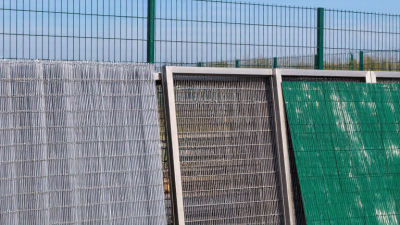
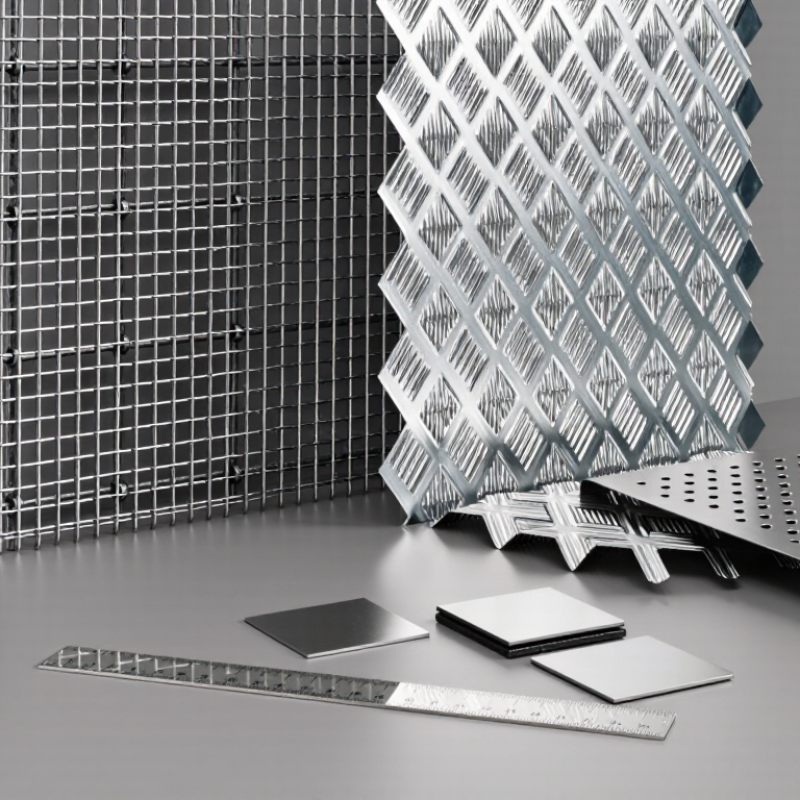
The top types include welded, woven, expanded, and perforated panels. Welded mesh has fixed intersections and clean rectangular openings. It suits partitions, equipment guards, and storage areas. Woven mesh uses interlaced wires, offering flexibility and fine filtration. Expanded mesh is cut and stretched, creating diamond-shaped openings with strong material efficiency. Perforated panels use punched holes instead of wires, but they are often compared with mesh for ventilation and screening functions. Panel thickness, opening size, edge treatment, and frame design affect real performance.

Tips: Check the opening size with a ruler, not only the product description. Inspect weld points for uneven marks, loose wires, or sharp edges. Match the finish to moisture, chemicals, and outdoor exposure. A galvanized surface may resist corrosion, but damage at cut edges still needs attention. No panel is perfect. I have seen strong mesh fail because its frame was poorly anchored. Load direction also matters, and this detail is sometimes overlooked. Selecting a panel requires balancing strength, visibility, airflow, maintenance, and installation conditions.

Welded Wire Mesh Panels: Features, Materials, and Common Uses

What Are the Top Types of Wire Mesh Panels?

Welded Wire Mesh Panels: Features, Materials, and Common Uses

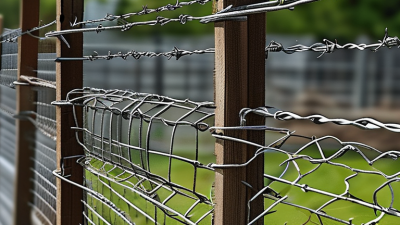
Welded wire mesh panels are made by joining steel wires at every crossing. This creates a firm grid with consistent openings. It looks simple. Yet, production accuracy matters. Uneven welds can weaken the panel under repeated pressure. Common materials include low-carbon steel, galvanized steel, and stainless steel. Galvanized surfaces resist moisture better, while stainless steel performs well in corrosive environments. Plain steel is often economical, but it needs suitable protection.

Panel strength depends on wire diameter, opening size, weld quality, and support spacing. Smaller openings improve containment, while thicker wires handle heavier loads. A panel with 50-millimeter openings may suit machine guards or storage cages. Larger grids can work for partitions, animal enclosures, and ventilation barriers. Always check the actual load conditions. Static weight is not the only concern; impact and vibration can change performance.

These panels are widely used in construction, agriculture, warehouses, and industrial facilities. They can form safety barriers, temporary partitions, equipment guards, and concrete reinforcement supports. Cutting and fastening are practical, but sharp edges require careful finishing. Specifications can still be misread, especially when coating thickness is confused with wire diameter. Measure twice. A panel that looks strong may fail when its supports are poorly spaced or its environment is harsher than expected.

Expanded Metal Panels: Design, Strength, and Practical Applications

Among common wire mesh panels, expanded metal stands apart for its efficient, open structure. It begins as a solid sheet, then controlled slits and stretches form diamond-shaped openings. No welded joints are needed. The result is lightweight, ventilated, and visually distinctive. Small openings provide closer screening, while larger openings improve airflow and reduce weight. The raised strands also create a firm, textured surface.

Strength depends on sheet thickness, strand width, opening size, and support spacing. Thicker sheets usually resist impact better, but they add weight and installation effort. In practical inspections, weak edge support often causes more trouble than the panel itself. Frames, fasteners, and protective finishes deserve equal attention. Galvanized or coated surfaces can improve outdoor durability. However, damaged edges may still corrode. Site exposure matters.

Expanded metal panels suit machine guards, stair treads, equipment screens, partitions, and façade accents. Their open geometry allows light and air to pass while forming a useful barrier. For walkways, engineers should verify load ratings, slip resistance, and opening dimensions against local standards. A clean pattern can still disappoint when drainage or cleaning is ignored. I would test a sample under expected loads before approving a large order. That small step may reveal flexing, sharp edges, or an awkward fit. Expanded metal is practical, but never automatically perfect.

What Are the Top Types of Wire Mesh Panels? - Expanded Metal Panels: Design, Strength, and Practical Applications
Common expanded metal panel types and their typical characteristics
Expanded Metal Type Surface and Pattern Typical Thickness Range* Strength and Performance Common Materials Practical Applications
Standard Raised Expanded Metal Three-dimensional diamond openings with raised strands and bonds. Approximately 0.8–6 mm High rigidity, good load distribution, and improved slip resistance because of the raised surface. Carbon steel, galvanized steel, aluminum, and stainless steel. Security screens, machine guards, partitions, ventilation panels, platforms, and general architectural panels.
Flattened Expanded Metal Raised expanded metal that has been cold-rolled to create a flatter surface and more uniform openings. Approximately 0.5–5 mm Smooth appearance, easier cleaning, and better suitability for overlapping, framing, and fabrication. Carbon steel, galvanized steel, aluminum, and stainless steel. Fencing, ceiling panels, façade infill, screens, shelving, grilles, and decorative interior features.
Heavy-Duty Expanded Metal Large diamond or custom openings made from thicker sheet or plate with substantial strands. Approximately 3–12 mm Designed for high impact resistance, structural stiffness, and demanding load-bearing conditions. Carbon steel, galvanized steel, and stainless steel. Walkways, stair treads, industrial platforms, equipment protection, ramps, and heavy-duty guards.
Micro Expanded Metal Small, closely spaced openings produced from thin sheet material. Approximately 0.3–1.5 mm Provides fine screening, lightweight reinforcement, and controlled airflow with a relatively high open area. Aluminum, stainless steel, copper, and thin carbon steel. Filters, shielding components, speaker grilles, laboratory equipment, battery covers, and small ventilation screens.
Decorative Expanded Metal Designed with diamond, hexagonal, irregular, or customized visual patterns for appearance as well as function. Approximately 0.5–3 mm Balances visual screening, light transmission, airflow, and moderate mechanical protection. Aluminum, stainless steel, mild steel, and weather-resistant coated steel. Building façades, room dividers, balustrades, retail displays, ceilings, wall panels, and feature screens.
Flattened Aluminum Expanded Metal Flat diamond pattern with a lightweight, corrosion-resistant metal surface. Approximately 0.5–4 mm Low weight, good corrosion resistance, and easy cutting and forming; generally less rigid than steel at the same thickness. Aluminum alloys commonly used for sheet fabrication. Vehicle components, ventilation covers, lightweight partitions, sunshades, signage backing, and architectural cladding.
Stainless Steel Expanded Metal Raised or flattened openings with a corrosion-resistant metallic surface. Approximately 0.8–6 mm Strong resistance to moisture, corrosion, heat, and frequent cleaning; suitable for hygienic environments. Austenitic and ferritic stainless steel grades selected according to service conditions. Food-processing guards, chemical equipment, marine screens, hygienic partitions, filters, and exterior applications.
*Thickness ranges are indicative selection ranges rather than universal limits. Actual panel performance depends on the base-metal thickness, strand width, short way of diamond (SWD), long way of diamond (LWD), open-area percentage, material grade, panel size, and support spacing.

Perforated Metal Panels: Hole Patterns, Performance, and Uses

What Are the Top Types of Wire Mesh Panels?

Perforated metal panels combine controlled openings with structural strength. Their performance depends on hole shape, open area, sheet thickness, and installation depth. Round holes provide predictable airflow and clean visual repetition. Slotted holes often support directional ventilation. Square patterns can deliver higher open areas, but they may reduce stiffness.

Hole spacing matters more than many buyers expect. A 60% open area can improve airflow, yet it may weaken a large panel. Engineers should check deflection, vibration, edge distance, and fastener loads.

Acoustic performance also requires mineral wool or another absorber behind the panel. The metal sheet alone does not meaningfully absorb sound.

The 2024 Global Status Report for Buildings and Construction states that buildings consume about 32% of global energy and produce roughly 34% of global carbon emissions. Perforated screens can support passive shading and ventilation, especially on sun-exposed facades. However, they cannot replace a complete energy model. A panel that looks efficient may still create glare or unwanted heat.

In practical work, I inspect the sample under real lighting. Shadows change the visible hole pattern. Dust also collects inside small openings.

The 2023 Steel Statistical Yearbook records global crude steel production above 1.8 billion tonnes, showing the material’s broad industrial availability. Still, recycled content, coating durability, and local fabrication quality need verification. No single pattern wins everywhere.

How to Choose the Right Wire Mesh Panel for a Project

What Are the Top Types of Wire Mesh Panels?

Choosing the right wire mesh panel starts with the project’s actual load, environment, and installation method. Welded panels provide rigid, clean lines for partitions, machine guards, and animal enclosures. Woven panels offer flexibility and absorb minor movement. Expanded metal panels reduce weight while maintaining useful strength and ventilation. Perforated panels suit projects needing controlled airflow, light, or screening.

Material selection matters just as much. Galvanized steel generally suits outdoor projects with moderate moisture and controlled budgets. Stainless steel performs better near saltwater, chemicals, or strict hygiene requirements. The World Steel Association reported 1,888.2 million tonnes of crude steel production in 2023, showing the scale of steel supply, but volume does not guarantee suitability. Check wire diameter, opening size, coating thickness, and edge protection. Small details matter.

Check wire diameter, opening size, coating thickness, and edge protection. Small details matter.

I have seen panels selected by appearance alone. That approach can fail. A rigid welded panel may transfer impact to weak posts. A fine opening can also collect dust and increase cleaning time. For safety-related applications, compare specifications with ASTM requirements and request load or corrosion-test documentation. Grand View Research’s 2024 market analysis forecasts continued growth in wire mesh demand through 2030, yet project conditions remain more important than market trends. Measure the opening twice. Confirm the fixing hardware, panel span, drainage, and expected maintenance before ordering.