The Ultimate Guide to Choosing the Right Stainless Steel Bar?
Choosing the right stainless steel bar can be challenging. Many factors influence your decision. From strength to corrosion resistance, each aspect matters.
Stainless steel bars are essential in construction and manufacturing. They offer durability and versatility. When selecting a bar, consider its grade. Different grades have unique properties. For example, marine grade stainless steel excels in harsh environments.
Additionally, size and shape play crucial roles in your selection. An ill-fitting bar can lead to mechanical failure. Research is vital to ensure you get the best product. Many buyers overlook details, leading to dissatisfaction. Reflecting on your choices will enhance your purchasing process. Remember, a thoughtful decision can save you time and money.
Understanding Stainless Steel Bars: Types and Grades
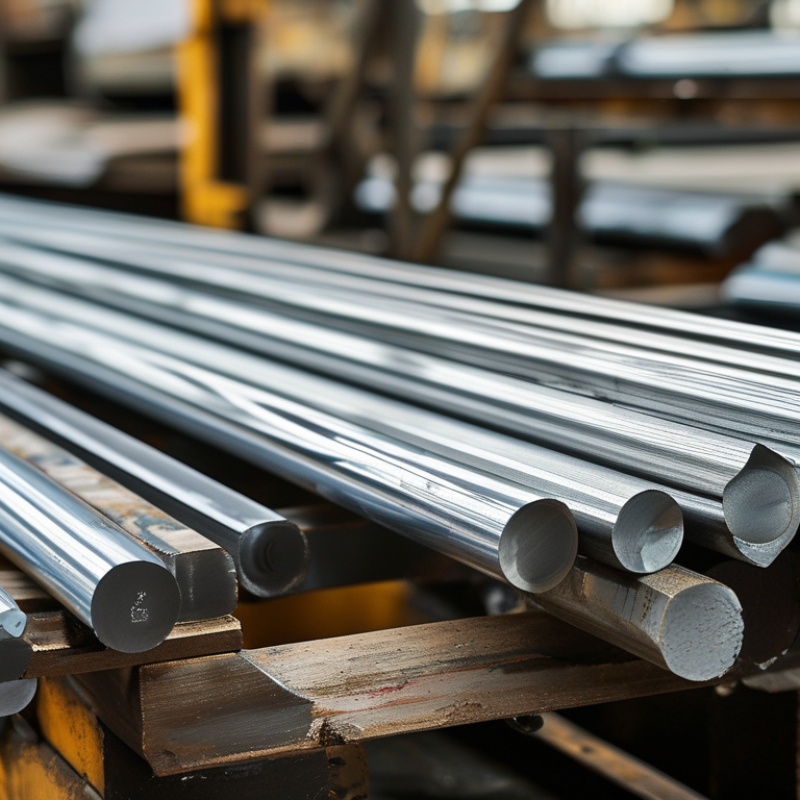
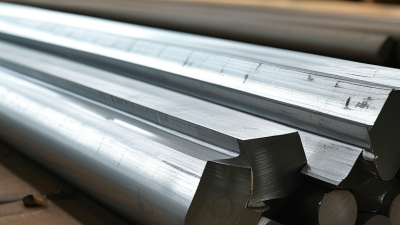
When selecting stainless steel bars, understanding the different types and grades is crucial. Stainless steel comes in various forms, including round, square, and flat bars. Each shape has specific uses, often determined by their mechanical properties. For instance, round bars are common in shafts and bolts, while flat bars are ideal for brackets and frames. The choice of shape can directly impact a project’s strength and durability.
Stainless steel grades are another essential factor. Grades such as 304 and 316 possess unique qualities. Grade 304 has excellent corrosion resistance, suitable for kitchen equipment. In contrast, grade 316 includes molybdenum, increasing resistance to saltwater and chemicals, making it ideal for marine environments. However, higher grades often come with a steeper price tag. Sometimes, the specifics of a project may not require the highest grade, leading to potential overspending.
The decision ultimately hinges on the intended application and budget constraints. Balancing durability with cost can be tough. Assessing the environment where the stainless steel bar will be used is vital. For instance, outdoor projects may need tougher grades due to exposure to harsh conditions. Taking time to evaluate these factors can lead to more informed choices.
Key Factors to Consider When Choosing a Stainless Steel Bar
When selecting a stainless steel bar, several key factors are crucial for making an informed decision. Stainless steel grades vary widely in composition and properties. For instance, 304 and 316 grades are among the most popular for their corrosion resistance and strength. According to the American Iron and Steel Institute, approximately 70% of stainless steel produced is of grade 304. Understanding which grade suits your application can greatly affect longevity and performance.
Dimensional tolerances are another vital aspect. Different applications may require specific measurements and finishes. Tolerances can range from standard to highly precise. Ensuring the bar meets the required specifications can prevent costly issues like misalignment or added stress in structural applications. In specialized industries, adherence to standards from organizations like ASTM is often necessary.
Assessing the heat treatment and surface finish is equally important. These factors affect durability and aesthetic qualities. For instance, a polished finish might be essential for visual appeal in architectural projects. However, not all finishes are suited for corrosive environments. Reflecting on your specific requirements and potential environmental impacts can guide the selection process effectively.
Being mindful of these factors can help avoid common pitfalls in material selection. Cost is often a concern, but investing in the right quality can save future expenses. Remember to verify certifications and compliance with industry standards. Scrutinizing these elements might reveal insights that could optimize both safety and performance in your projects.
Applications of Stainless Steel Bars in Various Industries
Stainless steel bars find applications in numerous industries due to their strength and corrosion resistance. In the construction sector, these bars serve as reinforcement for concrete structures. Their durability ensures that buildings can withstand harsh weather conditions. Additionally, stainless steel bars are used in structural beams, enhancing overall stability.
In the manufacturing industry, these bars play a critical role. They are often used in the creation of various components, such as machinery and tools. The non-corrosive nature means that parts maintain their integrity over time. However, choosing the right type for specific applications can be challenging. Different grades of stainless steel offer varying levels of strength and corrosion resistance. It’s crucial for manufacturers to assess their needs carefully.
The food processing industry utilizes stainless steel bars for various equipment. The hygienic properties of stainless steel are essential here. These bars help create surfaces that are easy to clean and maintain. However, there can be issues related to the alloy composition. Not all stainless steel grades are suitable for food contact. Understanding these nuances is key to effective application.
Maintenance and Care for Stainless Steel Bars
Maintaining stainless steel bars is essential for longevity and performance. Regular cleaning with a mild detergent helps prevent corrosion and keeps the surface lustrous. According to the American Institute of Steel Construction, 70% of stainless steel failures arise from inadequate maintenance. This statistic highlights the importance of establishing a consistent care routine.
Humidity and exposure to harsh chemicals can accelerate deterioration. Keeping stainless steel away from direct contact with such elements is crucial. For instance, kitchens require frequent cleaning due to grease buildup. A simple solution is a mixture of vinegar and water which proves effective. Yet, many overlook the need for this.
A recent study indicated that applying a protective film can enhance corrosion resistance by up to 50%. Unfortunately, many users are unaware of this measure. Regular inspection for signs of wear or scratches is also vital. Even minor imperfections can lead to significant issues over time.
The Ultimate Guide to Choosing the Right Stainless Steel Bar? - Maintenance and Care for Stainless Steel Bars
| Dimension |
Type |
Grade |
Maintenance Tips |
| 1/2 inch |
Round |
304 |
Clean regularly with a soft cloth. |
| 3/4 inch |
Square |
316 |
Use a mild detergent for cleaning. |
| 1 inch |
Flat |
430 |
Avoid using abrasive materials. |
| 1 1/4 inch |
Hex |
201 |
Buff with a non-abrasive polish. |
Cost Considerations for Stainless Steel Bars
When choosing stainless steel bars, cost is a significant factor. The price can vary based on several factors, including material grade, size, and market conditions. According to industry reports, the cost of stainless steel has experienced fluctuations due to global demand and supply chain disruptions. In 2022, the average price per ton was approximately $3,300. This price reflects a general trend, but specific costs can differ widely based on local markets.
Understanding the cost structure is essential for making informed decisions. For instance, lower-grade stainless steel may be cheaper but can compromise quality. In contrast, high-grade options offer better corrosion resistance and longevity but at a higher cost. Research indicates that investing in high-quality materials can lead to lower maintenance and replacement costs over time, potentially offsetting initial expenses.
Budgeting for stainless steel bars requires careful planning. It's essential to consider both immediate costs and long-term benefits. Engaging with suppliers and consulting market data can offer insights into pricing trends. Factors such as the ongoing shifts in raw material availability may also play a role in future pricing. Reflecting on these aspects can ensure a more strategic purchasing approach.