How to Choose the Right Stainless Steel Bar for Your Needs?
Selecting the right stainless steel bar is crucial for diverse applications. Stainless steel bars are known for their strength, durability, and resistance to corrosion. According to industry reports, the global stainless steel market is projected to reach $150 billion by 2027. This growth highlights the importance of choosing high-quality materials for various sectors, including construction and manufacturing.
Understanding the specific needs of your project is essential. Different grades of stainless steel bars serve distinct purposes. For example, austenitic stainless steels are favored for their formability and resistance to corrosion. In contrast, martensitic grades offer higher strength but can be less resistant to rust. This variation can impact performance and longevity in real-world applications.
However, navigating these options can be complex. Buyers often overlook critical factors like grade, finish, and dimensions. This might lead to suboptimal choices. Evaluating all variables ensures a better investment. Remember, what works for one project may not suit another. A thoughtful approach to selection is vital.
Understanding Different Types of Stainless Steel Bars and Their Properties
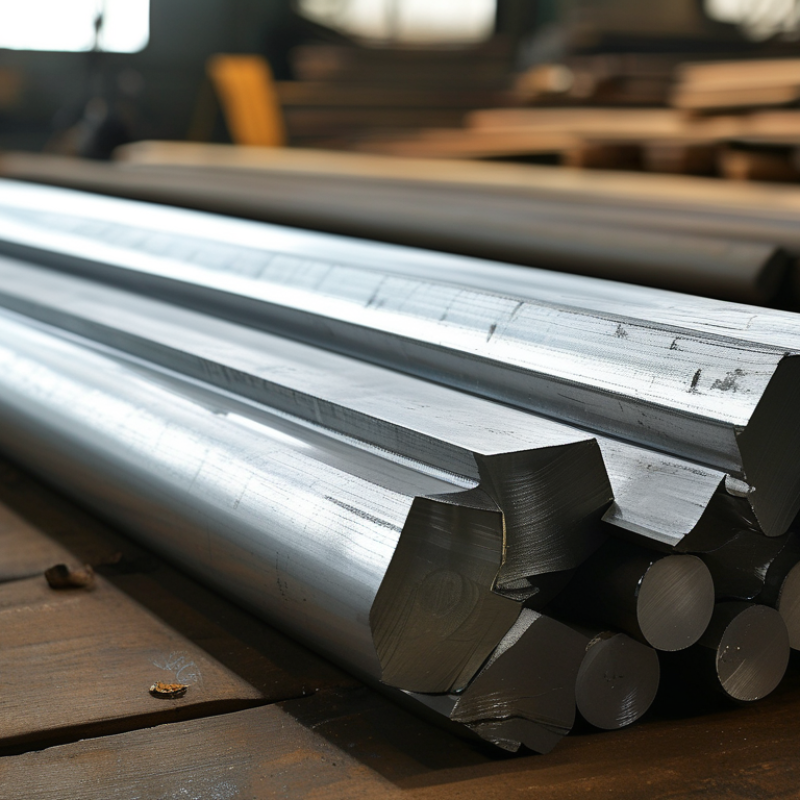
Choosing the right stainless steel bar involves understanding its types and properties. There are several categories, including austenitic, ferritic, martensitic, duplex, and precipitation-hardening stainless steels. Each type offers unique characteristics suitable for specific applications. For example, austenitic stainless steels, like 304 and 316, are known for their excellent corrosion resistance. According to industry reports, austenitic stainless steels account for nearly 70% of the total stainless steel production.
Ferritic stainless steels such as 430 are magnetic and less ductile. They are often used in automotive exhaust systems. In contrast, martensitic steels boast high strength and hardness, making them ideal for tooling applications. However, their corrosion resistance is lower compared to austenitic types. Duplex stainless steels combine features of both, providing good strength and resistance to stress corrosion cracking.
When selecting a stainless steel bar, consider factors like strength, corrosion resistance, and temperature tolerance. For instance, the tensile strength of certain austenitic grades can exceed 800 MPa. However, not all stainless steel types may suit high-temperature applications. Misunderstanding these nuances can lead to suboptimal choices and performance issues. Being mindful of these properties ensures better decision-making and prolonged reliability in your projects.
Key Factors to Consider When Selecting a Stainless Steel Bar
When selecting a stainless steel bar, several key factors must be considered. The grade of stainless steel is crucial. Grades like 304 and 316 have different properties. For example, 316 stainless steel offers superior corrosion resistance, making it ideal for marine applications. According to industry reports, 60% of corrosion issues arise from improper material selection. Choosing the wrong grade can lead to significant costs over time.
Additionally, the bar's diameter and length are essential. Standard dimensions often cater to common applications, but sometimes custom sizes may be needed. Research indicates that up to 30% of businesses face delays due to length discrepancies. Precision matters in manufacturing processes. Tolerances should align with project specifications for optimal results.
Lastly, consider the bar's surface finish. A polished finish enhances aesthetics and may improve performance in some applications. However, it might increase costs. Many professionals overlook this detail, thinking aesthetics are secondary. In reality, a quality surface finish can prevent contamination and improve durability. Understanding these factors ensures that you choose the right stainless steel bar for your specific needs.
Applications and Industries That Utilize Stainless Steel Bars
Stainless steel bars find diverse applications across various industries. Construction is one of the primary sectors utilizing these bars. They provide strength and durability, essential for building frameworks and reinforcements. For example, stainless steel rebar is often used in bridges and high-rise buildings due to its resistance to corrosion. This quality ensures structural integrity even in harsh environments.
Manufacturing also heavily relies on stainless steel bars. They are crucial in producing components for machinery and equipment. The food processing industry benefits significantly from stainless steel due to its sanitary properties. Equipment made from these bars can withstand cleaning chemicals and high temperatures without degrading.
However, selecting the right grade of stainless steel can be challenging. Not all stainless steels are resistant to all chemicals, and a misstep could lead to premature failure.
In the automotive industry, stainless steel bars are used in producing exhaust systems, springs, and various structural components. The material's ability to withstand high temperatures and corrosion makes it ideal for these applications. Quality control in selection is critical here. Poor choices can result in safety hazards and costly repairs. Reflecting on these choices is essential for long-term success in utilizing stainless steel effectively.
Comparing Grades of Stainless Steel for Your Specific Needs
When selecting the right stainless steel bar, understanding grades is crucial. Stainless steel is categorized mainly into Austenitic, Ferritic, Martensitic, and Duplex grades. Each of these grades has unique properties that cater to different applications. For example, 304 stainless steel, an Austenitic grade, offers excellent corrosion resistance and is ideal for food processing equipment. However, it may not withstand high chloride environments as well as 316 stainless steel.
Industry reports indicate that around 70% of stainless steel used globally falls under the Austenitic category. This highlights its popularity among manufacturers. Ferritic stainless steel, while less expensive, may not provide the same durability. It tends to be more magnetic and less resistant to corrosion. The choice between these grades can significantly impact performance and longevity, especially in harsh conditions.
The right grade depends on specific requirements, such as corrosion resistance, strength, and fabrication ease. Selecting an inappropriate grade could lead to premature failure or costly repairs. Users should evaluate their environment and operational demands carefully. While many standard grades exist, it’s essential to consider unique project needs rather than defaulting to common choices. Balancing cost and performance will yield better long-term results.
How to Choose the Right Stainless Steel Bar for Your Needs?
| Grade |
Corrosion Resistance |
Strength |
Weldability |
Common Applications |
| 304 |
Good |
Moderate |
Excellent |
Food processing, kitchen equipment |
| 316 |
Excellent |
High |
Good |
Marine applications, chemical processing |
| 410 |
Fair |
High |
Moderate |
Cutlery, basic tools |
| 430 |
Poor |
Moderate |
Fair |
Automotive trim, appliances |
| Duplex (2205) |
Very Good |
Very High |
Good |
Oil and gas, structural applications |
Maintenance and Care Tips for Stainless Steel Bars
Maintaining stainless steel bars is crucial for their longevity and performance. Regular cleaning is essential. Using warm soapy water is often enough to remove dirt and grime. For tough stains, a mixture of baking soda and water can work wonders. Gently scrub with a soft cloth to avoid scratching the surface.
Avoid using harsh chemicals or abrasive materials. They can damage the finish. If you notice scratches or tarnishing, consider using a polishing compound designed for stainless steel. However, be cautious. Over-polishing can lead to uneven surfaces. It’s important to regularly inspect the bars for any signs of wear or corrosion.
Storing your stainless steel bars properly can also extend their lifespan. Keep them in a dry place to prevent moisture buildup. If they’re exposed to harsh environments, consider applying a protective coating. Remember, the care you invest in your stainless steel is directly linked to its durability and functionality. Reflecting on your maintenance routine can help identify areas for improvement. Regular attention goes a long way in preserving their quality.