Choosing the right wire mesh fence begins with understanding the site, not chasing the lowest price. A school perimeter, livestock enclosure, warehouse, and sports ground face very different risks. They also require different mesh openings, wire gauges, coatings, and post systems. A fence that looks strong may still fail when soil shifts, gates sag, or corrosion reaches cut edges.
Industry data shows why this decision deserves careful comparison. Grand View Research identifies security, construction, agriculture, and residential projects as major fencing applications. Its market analysis also points to continued demand for durable, low-maintenance barrier systems. The Freedonia Group reports that repair, replacement, and new construction continue supporting fencing demand in North America. These reports describe broad market movement, not a universal product recommendation. That distinction matters.
This guide compares welded, woven, chain-link, PVC-coated, galvanized, and stainless-steel wire mesh fence types. Each option balances visibility, impact resistance, installation speed, service life, and cost. Galvanized mesh may suit a budget-conscious outdoor project. PVC-coated mesh can provide added protection in damp environments. Stainless steel offers stronger corrosion resistance, but its purchase price is often higher.
No single type wins everywhere. Site conditions decide. Salt air, aggressive soil, animals, climbing risks, and maintenance access can change the answer quickly. ASTM A1064/A1064M provides relevant requirements for carbon-steel wire and welded mesh products, but specification compliance alone cannot replace practical inspection. Measure twice. Question assumptions. The best fence is the one that remains secure, serviceable, and suitable after years of weather, pressure, and everyday use.
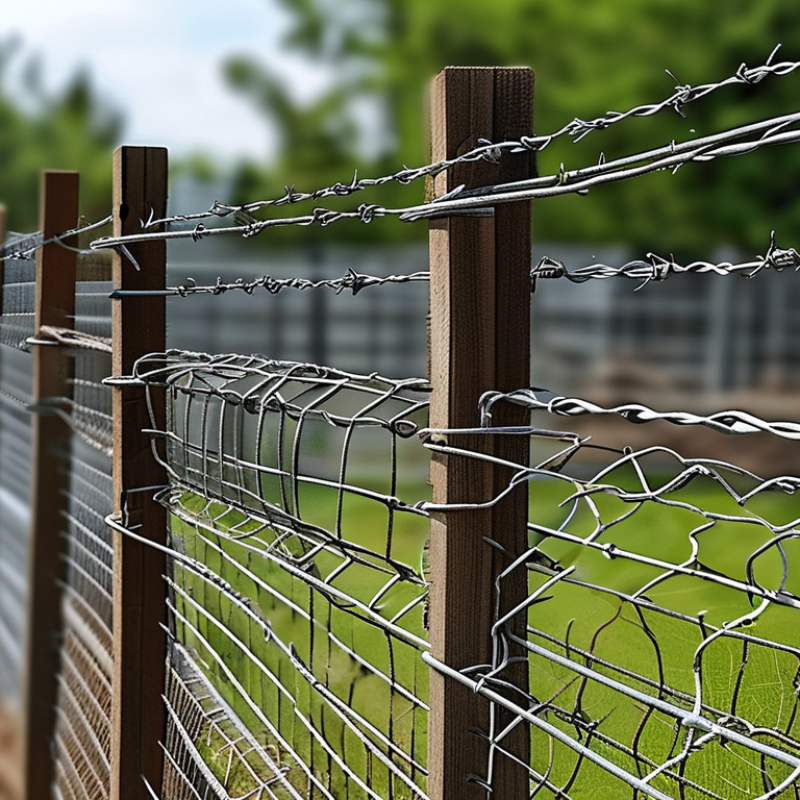
Wire mesh fencing is a barrier made from intersecting steel wires. The wires form square, rectangular, or diamond-shaped openings. Its structure usually includes mesh panels, posts, rails, tension wires, clamps, and concrete footings. Welded mesh has rigid joints, while woven mesh flexes under impact. Chain-link fencing is a familiar woven type. The best option depends on required strength, visibility, corrosion resistance, and installation conditions.
The World Steel Association reported global crude steel production of about 1.89 billion tonnes in 2023. This large material base supports fencing, construction, and agricultural supply chains. Grand View Research’s fencing market analysis identifies residential, commercial, industrial, and agricultural security as major application segments.
Smaller openings improve control around equipment yards and animal enclosures. Larger openings reduce material use and preserve airflow. That trade-off matters.
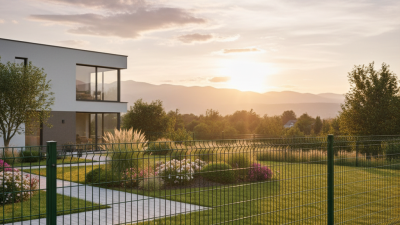
Galvanized wire suits outdoor locations because zinc slows rust formation. PVC-coated wire adds color and another protective layer. Welded panels provide cleaner lines around gardens, schools, and machinery areas. Chain-link fencing often fits sports grounds, storage sites, and boundary protection. High-security projects may require tighter mesh, stronger posts, and deeper foundations. Installation quality remains critical. A strong panel can still fail on weak footings. In practice, specifications are sometimes too optimistic. Soil movement, coastal salt, and poor drainage deserve closer inspection. ASTM F567 provides installation guidance for chain-link fencing, while ISO 1461 addresses hot-dip galvanized coatings. These references help, but local site testing should not be ignored.
Common Wire Mesh Fence Types and Their Distinctive Features
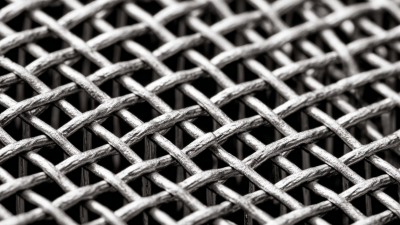
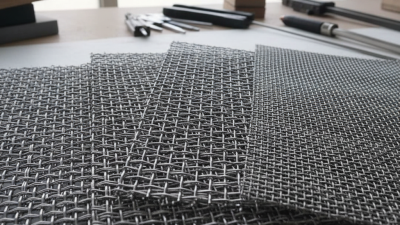
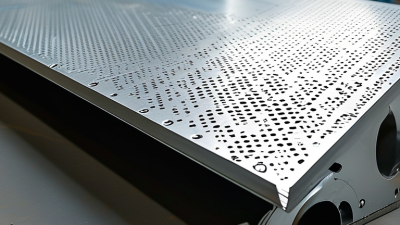
Wire mesh fencing is not one uniform product. Chain-link mesh uses interlocked steel wire, offering visibility, airflow, and economical coverage for yards, sports areas, and industrial boundaries. Welded wire mesh has rigid intersections, creating a cleaner profile and stronger resistance to deformation. Woven wire fencing bends more easily, which suits farms and uneven ground. Expanded metal provides better privacy and impact resistance, but it weighs more and can require stronger posts.
A 2024 Grand View Research assessment valued the global fencing market at approximately US$30.5 billion in 2023. It also projected about 5.3% annual growth through 2030. These figures suggest rising demand, but market growth does not identify the best fence for every site. That assumption fails. Galvanized steel generally performs well in wet conditions, while powder-coated finishes improve appearance and add another protective layer. However, cut edges, scratched coatings, and poorly sealed posts can still develop rust. In field inspections, these small details often matter more than the product label.
Tips: Match the mesh opening to the risk. Small openings improve child and animal safety. Choose welded mesh for rigidity, woven mesh for flexibility, and chain-link for cost-conscious visibility. Check wire diameter, coating weight, post spacing, and drainage before installation. A local corrosion assessment is useful near coastlines. It may feel excessive, but salt exposure can shorten service life quickly. Recheck the decision after comparing maintenance costs, not only the purchase price.
Welded mesh provides rigid panels and strong security, while chain-link mesh is economical and offers excellent visibility. Expanded metal combines strength with a difficult-to-climb surface, hexagonal mesh is flexible and practical for light-duty containment, and ornamental steel mesh emphasizes appearance. Ratings are comparative typical-use indicators on a 1–5 scale; actual performance depends on wire diameter, coating, opening size, installation, and maintenance.
Choosing a wire mesh fence depends on more than appearance. Strength, security, cost, and maintenance must match the site. ASTM A392 classifies zinc coatings at 0.30, 0.50, or 0.80 ounces per square foot. The heavier coating usually performs better in wet or coastal conditions. It also costs more.
Mesh size changes security. Small apertures make climbing and cutting more difficult, while heavier gauge wire resists bending. The U.S. Department of Agriculture’s NRCS Fence Standard 382 emphasizes suitable wire tension, strong corner assemblies, and properly spaced posts. These details often matter more than the mesh pattern itself. Security is layered. A tall fence alone is not a complete solution.
Cost estimates vary sharply. Angi’s 2024 national home-service data places chain-link installation near $10–$20 per linear foot, while upgraded coatings, privacy screens, gates, and difficult ground increase the figure. Measure the site first. Maintenance is usually modest, but damaged coatings, loose fittings, and vegetation should be checked twice yearly. I would not promise that the strongest fence is always best; oversized systems can waste money on a low-risk property. An honest comparison should include installation quality, expected service life, local weather, and future repair access.
| Fence Type | Typical Construction | Relative Strength | Security Level | Typical Installed Cost* | Expected Service Life** | Maintenance Needs | Best Use |
|---|---|---|---|---|---|---|---|
| Chain-Link Mesh | Interwoven steel wire, commonly 2 to 11.5 gauge, with 1 to 2 inch mesh openings | Good | Good | $15–$35 per linear foot | 15–30 years | Low; inspect tension, posts, fasteners, and corrosion periodically | Residential boundaries, sports areas, utilities, and general property protection |
| Welded Wire Mesh | Horizontal and vertical steel wires welded at each intersection; common openings include 2 × 4 inches and 4 × 4 inches | Good to Very Good | Good | $20–$45 per linear foot | 15–30 years | Low; check welds, posts, coating, and ground clearance | Gardens, animal enclosures, homes, schools, and light-to-medium security sites |
| Rigid Security Mesh | Heavy welded panels with narrow apertures, often using 4 to 8 mm diameter wires | Very Good | Very High | $35–$80 per linear foot | 20–35 years | Low; inspect anti-climb features, fixings, posts, and protective finish | Commercial facilities, schools, transportation sites, and critical infrastructure |
| Expanded Metal Mesh | A single sheet of steel slit and stretched into diamond-shaped openings; no woven joints | Very Good | Very High | $30–$75 per linear foot | 20–35 years | Low to moderate; remove debris and repair damaged coating or cut edges | Machine areas, equipment compounds, industrial sites, and high-security boundaries |
| Woven Livestock Mesh | High-tensile horizontal and vertical wires woven or mechanically joined; graduated openings are common | Good | Moderate | $12–$30 per linear foot | 15–25 years | Moderate; maintain tension and inspect for animal impact or displaced posts | Farms, ranches, wildlife control, and large rural properties |
| Decorative Wrought-Style Wire Mesh | Decorative welded steel panels with ornamental profiles, protective coating, and matching posts | Good | Good | $35–$90 per linear foot | 20–35 years | Low to moderate; clean surfaces and touch up scratches before rust develops | Residential entrances, parks, offices, public buildings, and appearance-sensitive sites |
Choosing the best wire mesh fence depends on the site, soil, security needs, and maintenance budget. Welded mesh offers a neat, rigid surface for gardens and residential boundaries. Chain-link fencing bends more easily and suits large areas, sports grounds, and temporary layouts. Galvanized or coated wire usually handles rain better, but no finish lasts forever.
Installation quality strongly affects long-term performance. Mark the boundary carefully before digging, and confirm local property requirements. Set posts deep enough for the soil conditions, then keep them aligned with a string line. Allow concrete to cure fully before attaching mesh. Tighten the fabric evenly, without creating sharp waves or excessive stress. Gates need extra attention because frequent movement can loosen hinges and posts. Even careful work can miss a small low spot.
Tips: Inspect the fence every three months. Remove climbing plants before they trap moisture against the wire. Wash salt and mud from exposed areas, especially near roads or coastal ground. Check ties, clamps, caps, and gate latches after storms. Small rust spots should be cleaned and repaired promptly. Replace badly damaged sections rather than forcing them back into shape. Keep a simple maintenance record with inspection dates and photographs. It may seem unnecessary, but it reveals slow movement and repeated damage.