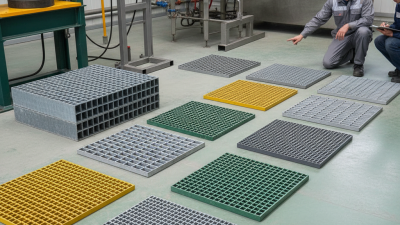
Fiberglass grating is a versatile material used in various applications. It consists of a network of fiberglass reinforced with resin. This construction provides durability and strength. Many industries benefit from its unique properties.
Fiberglass grating is lightweight yet strong, making it easy to handle. It is corrosion-resistant, ideal for harsh environments. Buyers appreciate its low maintenance requirements. However, not all grating types are equal. The quality of fiberglass grating can vary significantly between manufacturers.
Investing in high-quality fiberglass grating ensures longevity. It can withstand heavy loads and extreme weather. Yet, potential buyers should consider their specific needs carefully. Understanding the different types and designs can help make an informed decision. Ultimately, fiberglass grating offers remarkable benefits, providing safety and efficiency in various settings.
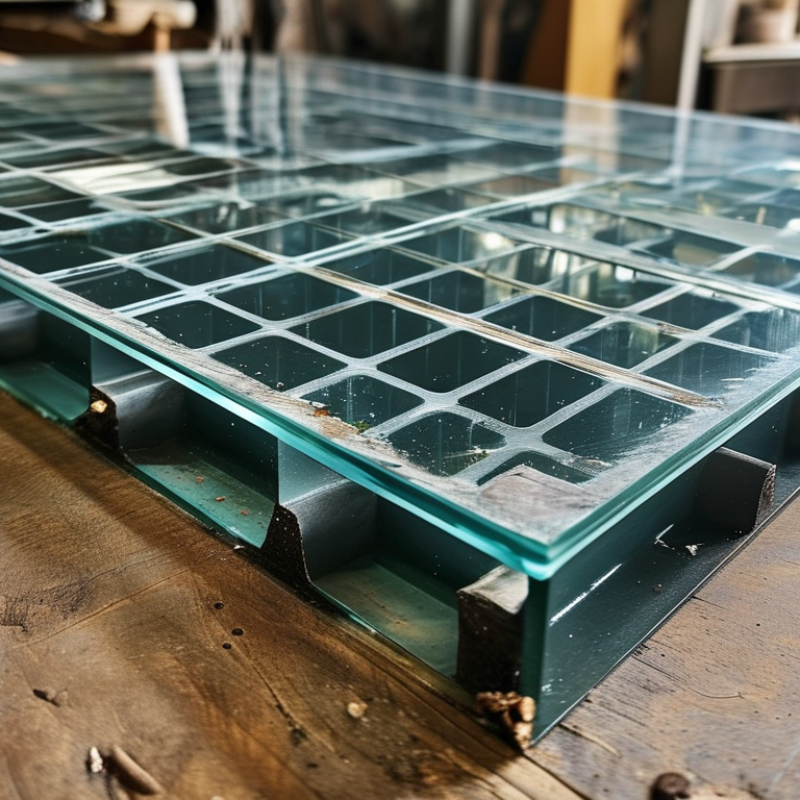
Fiberglass grating is a durable, lightweight material commonly used in industrial applications. It is made from fiberglass reinforced plastic, providing excellent strength and corrosion resistance. This unique composition allows it to withstand harsh environments, making it ideal for chemical processing, water treatment, and marine applications. According to a recent market study, the global fiberglass grating market is projected to grow significantly, reflecting its rising popularity.
The benefits of fiberglass grating are numerous. Its non-conductive properties enhance safety in electrical applications. Additionally, it is resistant to chemicals and UV radiation, extending its life expectancy. Reports indicate that fiberglass grating can reduce maintenance costs by 30% compared to traditional materials. However, it is essential to consider the initial investment, which might be higher than alternative options.
Surprisingly, fiberglass grating does have limitations. While it is durable, improper installation can lead to premature failure. Furthermore, certain unique environments may pose challenges that fiberglass does not easily address. Buyers should weigh these factors against the benefits. Understanding the material's capabilities and constraints is crucial for making informed decisions.
Fiberglass grating is a composite material made primarily from fiberglass and resin. Its composition allows for lightweight structures that are strong and durable. The manufacturing process begins with creating a mold. Then, layers of fiberglass and resin are applied to reinforce the structure. This method results in a material that resists corrosion and various chemicals. The consistency in manufacturing ensures that the final product meets specific performance standards.
During production, the thickness of the grating can be adjusted to meet various needs. However, achieving the ideal balance between weight and strength often requires careful consideration. It's vital to use the right resin type to enhance durability. Some may assume any resin works, but this is not the case. Choosing the wrong one can lead to unexpected failures in the field.
Ultimately, buying fiberglass grating involves understanding its composition and the intricacies of the manufacturing process. While the end product offers many benefits, it’s essential to remain aware of its limitations. Not all applications may suit fiberglass grating perfectly. Proper evaluation before purchase can lead to better outcomes in usage.
Fiberglass grating has become a popular choice in various industries, thanks to its impressive benefits. One major advantage is its corrosion resistance. Unlike traditional materials, fiberglass does not rust or degrade when exposed to chemicals or moisture. This feature makes it ideal for environments like chemical plants and wastewater treatment facilities.
Another key benefit is its lightweight nature. Fiberglass grating is significantly lighter than steel, making it easier to install and handle. This also reduces transportation costs and labor efforts. The ease of installation can save time on projects and improve overall efficiency.
Consider long-term savings when selecting materials. Fiberglass grating often requires less maintenance than alternatives. It won’t need regular painting or treatment to maintain its integrity. Evaluate your specific needs and potential applications carefully.
It's essential to choose grating that meets safety standards. Look for slip-resistant surfaces to enhance safety in high-traffic areas. Be mindful, too, of weight-bearing requirements. Not all types of grating can support heavy loads. Assess these factors before your final decision.
Fiberglass grating is becoming increasingly popular across various industries due to its unique properties. In environments such as wastewater treatment facilities, the oil and gas sector, and food processing plants, fiberglass grating demonstrates significant advantages. For instance, its lightweight construction reduces transportation costs, yet it offers high load-bearing capacity. Reports suggest that fiberglass grating can support loads exceeding 1,000 pounds per square foot. This makes it ideal for heavy-duty applications.
In the chemical industry, fiberglass grating provides superior corrosion resistance, which is crucial when dealing with harsh chemicals. A report from the Composite Materials Association highlights that the global market for fiberglass grating is projected to reach $1.5 billion by 2025. This growth indicates broad acceptance of its benefits, including longevity and reduced maintenance costs. However, buyers should be mindful of potential installation challenges that can arise.
Choosing the right manufacturer can also be tricky. Not all fiberglass gratings are created equal. The specifications, such as resin type and load capacity, play a vital role in performance. Understanding these details can prevent costly mistakes.
The inherent non-conductive properties of fiberglass make it an attractive option in electrical installations. Its resistance to environmental factors enhances durability. However, improper use or installation may lead to safety concerns over time. Carefully considering the application environment can make a significant difference.
| Industry | Applications | Benefits |
|---|---|---|
| Chemical | Walkways and platforms | Corrosion resistance |
| Oil & Gas | Drilling rigs and refineries | Durability and safety |
| Water Treatment | Access platforms and grates | Lightweight and easy to install |
| Food Processing | Flooring and drainage | Non-corrosive and hygienic |
| Pharmaceutical | Clean room environments | Meets strict regulatory standards |
When considering the purchase of fiberglass grating, buyers should focus on several key factors. The first is the environment where the grating will be installed. Fiberglass grating is highly resistant to corrosion, making it ideal for wet or chemical-heavy areas. However, understanding the specific chemicals involved is essential. Not all fiberglass materials react the same way. Detailed research can save future problems.
Another important consideration is load capacity. Different applications require varying levels of strength. Ensure that the chosen grating can handle expected loads. Review technical specifications and consult with experts if needed. Pay attention to safety ratings. Knowing the weight limits and load distribution can prevent accidents.
Additionally, think about maintenance. Fiberglass grating is generally low maintenance, but regular checks for wear and tear are necessary. Evaluate the installation process. Can the grating be installed easily by your team? Understanding the steps in advance can reduce labor costs and installation time. Each project is unique, and careful planning is key to successful implementation.