Who Is the Best Stainless Steel Bar Supplier in China?
Choosing the best stainless steel bar supplier in China starts with evidence, not rankings. World Stainless reported global crude stainless steel production of 58.4 million tonnes in 2023, showing the scale and competitiveness of this industry. Yet production volume alone cannot prove a supplier’s quality. A polished sample can look convincing. It may not reveal inconsistent chemistry, poor straightness, or weak traceability.
This guide compares suppliers through practical checks: available grades, bar diameters, dimensional tolerances, surface finish, heat-treatment options, and production capacity. It also considers material test certificates, batch identification, inspection procedures, packaging, and realistic delivery times. For a buyer ordering 304 round bar, for example, grade confirmation and diameter tolerance matter as much as the quoted price. Relevant standards and test documents should match the purchase specification; buyers should verify them rather than assume compliance. Small details count.
Reliable supplier selection also depends on communication. Can the sales and technical teams explain a deviation clearly? Do they share inspection records before shipment? Are lead times specific, or merely optimistic? No single company is best for every application, and this comparison cannot replace independent audits or sample testing. That limitation matters. The aim is to help purchasers assess Chinese manufacturers with clearer criteria, reduce avoidable sourcing risks, and identify a stainless steel bar partner suited to their material, quality, and delivery requirements.
What Stainless Steel Bars Are and Which Grades Are Common
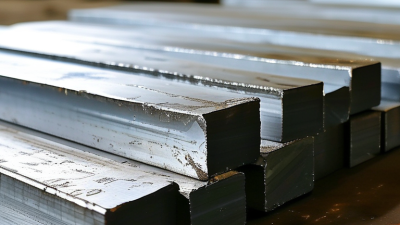
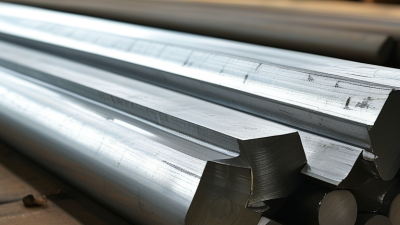
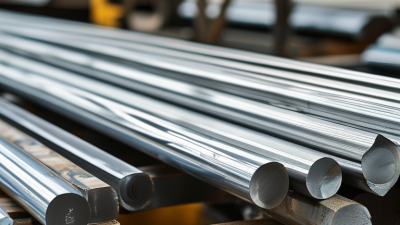
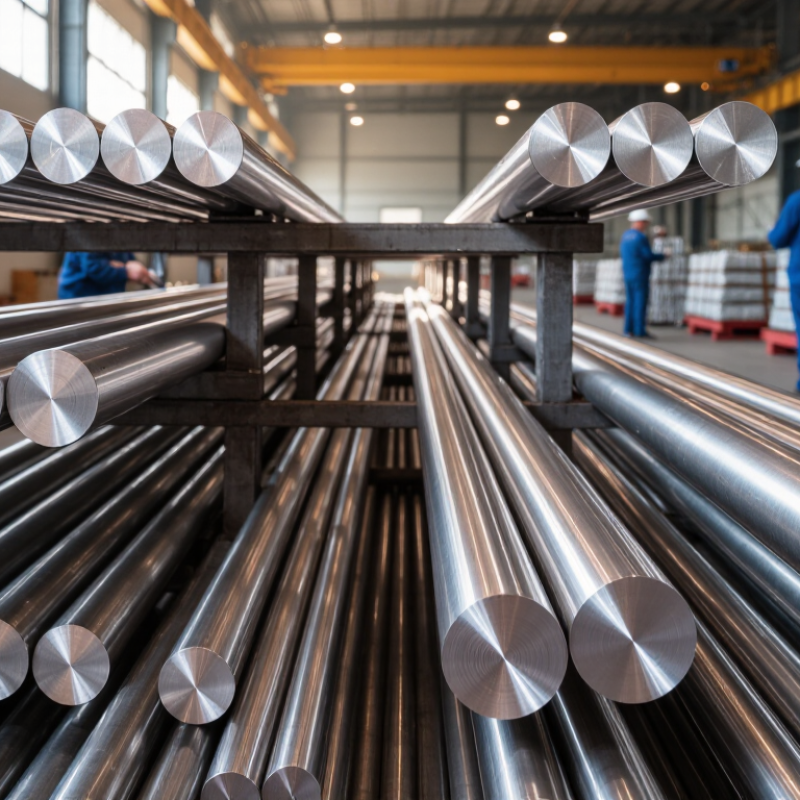
Stainless steel bars are solid metal stock supplied in round, square, flat, or hexagonal sections. They can be cut, drilled, machined, or formed into shafts, fasteners, valve parts, and structural components. Dimensions and surface condition matter as much as alloy choice. A polished round bar may suit a visible fitting, while a rougher finish may work for machining. Small differences count.
Grade 304 is common in food equipment, tanks, and indoor fittings because it offers useful general corrosion resistance. Grade 316 contains molybdenum, improving resistance to chlorides from seawater or de-icing salts. It is not corrosion-proof. Grade 303 machines readily, but usually resists corrosion less effectively than 304. Grade 430 is magnetic and can suit less demanding environments, while 17-4 PH can reach high strength through heat treatment. The right choice depends on exposure, load, fabrication, and finishing needs.
When comparing suppliers, request a mill test certificate and check that its heat number matches the bar markings. Confirm dimensions, tolerances, finish, and the relevant product standard before ordering. A certificate helps, but it does not replace incoming inspection. Specifications can look complete while leaving finish or tolerance unclear. That detail is easy to miss.
How China’s Stainless Steel Bar Supply Market Is Organized
China’s stainless steel bar market is built around several layers. Producers melt and roll bars, while service centers hold stock, cut lengths, and prepare orders. Regional distributors often serve workshops that need smaller quantities or quick delivery. Trading companies may coordinate exports and documentation. Some firms perform more than one role, so a supplier’s label does not always reveal where the material comes from. That matters.
Buyers usually compare more than price. Grade, product standard, diameter, length tolerance, surface condition, and heat-treatment requirements all affect suitability. Ask for a material test certificate and check that its heat number matches the delivered bundle. For a critical application, clarify whether testing is performed in-house or by an independent laboratory. A neat certificate is useful, but it cannot replace clear traceability and agreed inspection criteria.
The best supplier depends on the order. A mill may suit repeat volumes, while a stockist may be more practical for mixed sizes or urgent replacement parts. Request current stock details, lead times, packaging photos, and the process for handling nonconforming material. If possible, inspect a sample before placing a large order. This is not foolproof; samples may not represent every production batch. Buyers can still reduce risk by recording specifications in writing and checking the first delivery carefully.
What Makes a Supplier Stand Out in Quality, Capacity, and Service
A strong stainless steel bar supplier stands out through verifiable quality, dependable capacity, and responsive service—not broad claims. The International Stainless Steel Forum’s Stainless Steel in Figures 2024 reported 58.4 million tonnes of global stainless steel production in 2023, with China producing about 36.7 million tonnes. This scale offers buyers many sourcing options, but national output alone cannot prove a supplier’s consistency.
Check heat-specific test certificates, grade chemistry, mechanical properties, and traceability. Ask how bars are identified after cutting, and whether inspection records match the shipped heat numbers. For dimensional consistency, request tolerances and inspection methods for diameter, straightness, and surface condition. A certificate helps, but it is not magic. Verify the details against the order.
Capacity means more than a large warehouse. A capable supplier can explain available sizes, realistic lead times, production limits, and how urgent orders affect delivery. Ask for a recent example of a similar order, with customer details removed. Service matters when specifications are unclear or a batch needs review. You want a technical answer, not just a quick quote. No supplier is flawless; clear records and honest updates make problems easier to catch before they reach your workshop.
How to Compare and Verify Stainless Steel Bar Suppliers in China
Who Is the Best Stainless Steel Bar Supplier in China?
How to Compare and Verify Stainless Steel Bar Suppliers in China
Choosing a supplier takes more than comparing price sheets. Check the bar grade, dimensions, tolerances, surface condition, and delivery terms against your specification. The International Stainless Steel Forum reported global stainless steel production of 58.4 million tonnes in 2023, up 4.6% from 2022. That scale makes clear product identification important. Ask for a mill test certificate linked to the bar’s heat number, then confirm the number on the bundle tag. Check that the stated standard, such as ASTM A276, fits your order.
A certificate is useful, but it is not proof by itself. Request recent inspection records, production capacity details, and clear answers about traceability and nonconforming material. For a trial order, measure sample bars and arrange independent positive material identification testing if the grade is critical. Compare the supplier’s results with your purchase specification, not just its quotation. Small details matter. A clean document can still contain a mismatch.
Tips: Ask for photos showing labels beside the actual bars. Confirm sample and bulk-order specifications match. Keep records of every revision. I would not skip an independent check simply because the first shipment looks right.
How to Choose the Best Supplier for Your Application
Choosing a stainless steel bar supplier starts with the part, not the catalogue. A shaft exposed to washdown needs different corrosion resistance from a bar used for a machined fixture. Define the grade, diameter, tolerance, finish, and service conditions before requesting a quote. Small details matter. A few tenths of a millimeter can change machining time or fit.
Ask how the supplier verifies material identity and dimensions. Review test certificates, heat numbers, and inspection records, then check that the documents match the delivered bars. For critical parts, ask whether samples or additional testing are available. A certificate helps, but it cannot prove every cut piece is defect-free. That distinction is easy to overlook. Also confirm stock lengths, cutting accuracy, packaging, and lead times; a low unit price may not include these practical costs.
Match the supplier’s capabilities to your production needs. If you require repeat orders, ask how batches are identified and whether specifications can be kept consistent. For a one-off project, responsive technical support may matter more than broad inventory. Compare quotes on the same grade and dimensions, not just on price. When information is unclear, pause and ask for clarification. That extra check may feel slow, yet it can prevent rejected parts and wasted machining hours.
Who Is the Best Stainless Steel Bar Supplier in China? — How to Choose the Best Supplier for Your Application
Compare minimum tensile strength requirements for common stainless steel grades used in bar applications. These values are material specifications, not supplier performance ratings.
Minimum tensile strength (MPa), based on ASTM A276/A276M requirements; confirm the applicable grade, product form, and current standard with your supplier. Tensile strength alone does not determine suitability: also check corrosion conditions, material test certificates and traceability, dimensional tolerances, surface finish, and lead time.