Choosing the right stainless steel bar is more than comparing prices or selecting a familiar grade. The service environment matters. Chlorides, humidity, acids, machining fluids, temperature, and repeated loading can change the best choice. A bright surface may look reliable, yet surface appearance cannot prove corrosion resistance. It can mislead.
The International Stainless Steel Forum reported global stainless crude steel production of approximately 58.4 million tonnes in 2023. This scale reflects stainless steel’s importance, but it also creates more grade and supplier choices. ASTM A276 and ASTM A479 provide widely used requirements for stainless steel bars, including chemical composition, mechanical properties, and testing. Buyers should still verify the exact standard, heat number, inspection certificate, and delivery condition. Small paperwork gaps can become expensive failures.
Metallurgist Michael F. McGuire wrote, “Stainless steels are iron-base alloys containing a minimum of about 11% chromium.” That chromium forms the passive film protecting the surface. However, alloying elements, processing, finish, and exposure conditions determine real performance. Grade 304 may suit many indoor applications. Grade 316 often offers stronger chloride resistance. Neither choice is automatically correct.
These ten tips examine grade selection, corrosion exposure, strength, machinability, dimensions, finish, heat treatment, certification, and lifecycle cost. The practical details matter: a bar cut for a marine fitting faces different risks from one used inside a dry factory. Engineers may sometimes over-specify materials. That deserves reflection. The safest decision balances tested performance, production needs, and realistic service conditions.
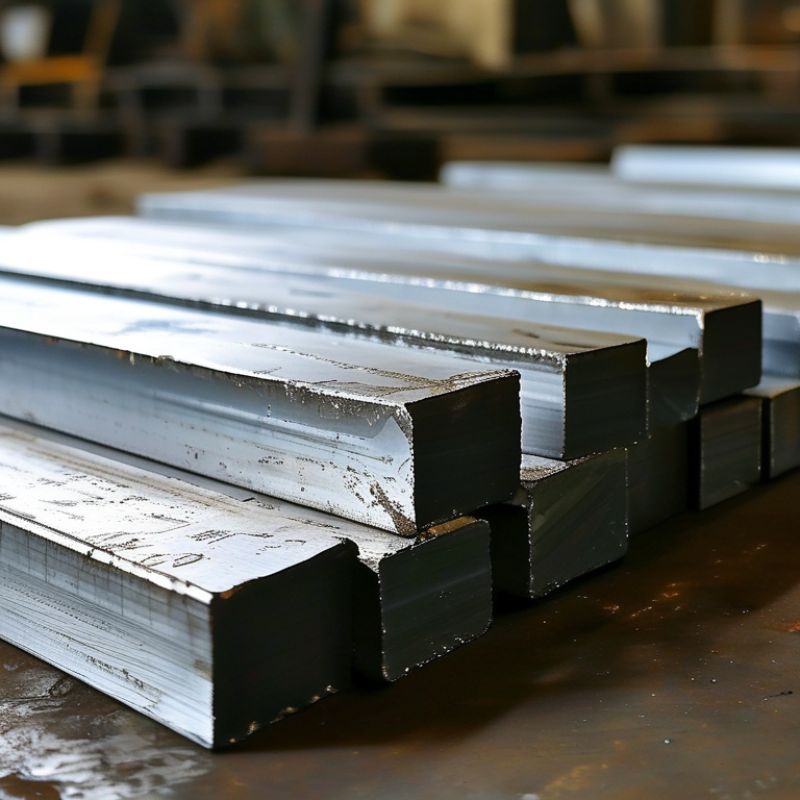
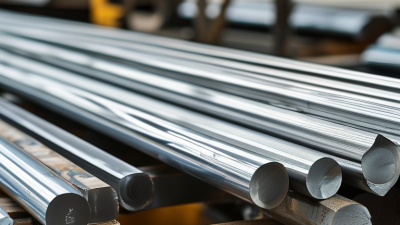
Stainless steel bars are not interchangeable. Their grade, shape, finish, and strength determine where they work best. Austenitic grades, such as 304, resist everyday moisture and weld easily. They suit food equipment, architectural parts, and general fabrication. Grade 316 performs better near saltwater because molybdenum improves resistance to chloride attack. It often serves marine fittings, chemical equipment, and coastal structures. Still, no grade is immune to poor maintenance.
Ferritic grades, including 430, offer magnetic behavior and useful corrosion resistance at a lower cost. They fit indoor panels, appliances, and decorative components. Martensitic grades, such as 410 and 420, can be hardened for shafts, pins, and wear-resistant tools. They usually sacrifice some corrosion resistance for hardness. Duplex grades combine strong mechanical performance with better chloride resistance. They are useful in pressure systems, bridges, and demanding process equipment.
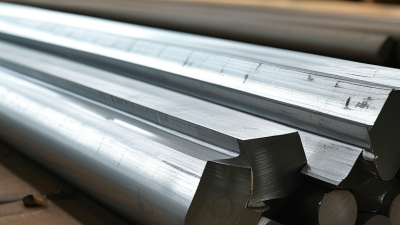
I check the working environment before comparing prices. Look at humidity, chemicals, temperature, load, and cleaning methods. Round bars suit shafts and turned parts, while flat bars support brackets and frames. Hexagonal bars can reduce machining time. Ask for heat numbers, test reports, dimensional tolerances, and surface specifications. Traceable documents matter more than polished promises. One mistake I have made is choosing a familiar grade without checking welding conditions. A neat material chart cannot replace practical testing. Verify the actual finish, because scratches can become corrosion sites in harsh service.
Choosing a stainless steel bar starts with the service environment, not the catalogue title.
Will it face saltwater, chemicals, heat, or repeated loading?
The required grade should match those conditions. Austenitic grades usually offer strong corrosion resistance and formability, while martensitic grades provide higher hardness after heat treatment.
The International Stainless Steel Forum reported approximately 58.4 million tonnes of stainless crude steel production in 2023, showing the market’s broad but highly specialized material range.
Confirm the grade through the material test report and applicable standards, such as ASTM A276 for general stainless steel bars. Chemical composition matters. So does mechanical performance. A small increase in molybdenum may improve resistance to chloride attack, but it can also affect cost and availability. Do not select 304 automatically. It remains common, yet it may perform poorly near seawater or de-icing salts.
Measure the required diameter, width, length, and tolerance from the finished drawing. Leave enough machining allowance, but avoid buying excessive stock. Round, square, hexagonal, and flat bars suit different machining and assembly needs. Surface finish needs equal attention. A bright, ground surface may reduce polishing work, while a rougher hot-finished surface may suit structural machining. Specify roughness, straightness, edge condition, and protective packaging where relevant. The International Organization for Standardization notes that surface texture can influence friction, wear, and sealing performance. A perfect selection on paper can still fail in production. Recheck the drawing, environment, and inspection method before placing the order.
Tip 1: Define the load before selecting a stainless steel bar. Tensile, bending, and impact demands require different strength levels.
Tip 2: Check the actual grade and heat treatment. A familiar grade can perform differently after processing.
Tip 3: Compare certified yield and tensile values, not only catalog averages.
Tip 4: Consider diameter carefully, because section size affects stiffness and load resistance.
Tip 5: Match corrosion resistance to the operating environment. Chlorides, acids, humidity, and cleaning chemicals can change performance quickly.
Tip 6: Inspect weld zones closely. Heat tint and poor cleaning may create weak corrosion points.
Tip 7: Ask for material certificates and, when necessary, independent test results. I once relied too heavily on a supplier’s general data. That was a useful mistake.
Tip 8: Review temperature extremes before approval. Strength and toughness may shift in cold or heated service.
Tip 9: Check surface condition, especially for bars exposed to salt spray or standing water. Small scratches can become serious initiation points.
Tip 10: Confirm machining, threading, and forming requirements with the fabricator. A strong bar may still fail if processing introduces cracks or distortion.
Keep the service details visible. A coastal support, a food-processing frame, and a high-temperature shaft need different decisions. When conditions remain uncertain, test a representative sample instead of guessing.
Choosing the right stainless steel bar requires more than comparing price and surface shine. Start with the required grade, product standard, and delivery condition. Ask which manufacturing standard controls melting, forging, rolling, heat treatment, and dimensional tolerance. The answer should appear in the quotation, inspection plan, and material certificate. Check the heat number on the bar against every document. Small mismatches matter. They can weaken traceability during a failure investigation.
Review the material test certificate carefully, not as a formality. It should identify chemical composition, tensile properties, yield strength, elongation, hardness, and heat treatment. For critical orders, request independent verification or witnessed testing. A laboratory certificate adds confidence when internal results seem unusually perfect. That is an uncomfortable check, but it protects the specification. Confirm whether the supplier maintains a certified quality management system, calibrated equipment, trained inspectors, and documented corrective actions. Certification alone is not proof of consistent production.
Examine the quality-control process at receiving, not only during production. Inspect diameter, straightness, surface condition, end cuts, packaging, and visible defects. Depending on the application, ultrasonic or other nondestructive testing may be appropriate. Request sampling rules and acceptance criteria in writing. Keep photographs, test records, and batch references with the purchase file. In practice, rushed approvals often overlook surface seams or incomplete heat-treatment records. I have found that clear questions expose more than polished brochures. Leave room for doubt.
| No. | Evaluation Dimension | What to Check | Relevant Standard or Certification | Quality-Control Evidence | Practical Selection Guidance |
|---|---|---|---|---|---|
| 1 | Material Grade | Confirm the grade, chemical composition, corrosion resistance, strength, and intended service environment. Common austenitic grades include 304 and 316/316L; ferritic, martensitic, and precipitation-hardening grades have different properties. | ASTM A276/A276M or EN 10088-3 for stainless steel bars, as applicable to the product and market. | Review the material test certificate (MTC) for heat number, chemical analysis, tensile properties, yield strength, elongation, and applicable heat-treatment condition. | Select 316/316L rather than 304 when chloride exposure or a more demanding marine or chemical environment requires improved pitting resistance. |
| 2 | Dimensional Tolerances | Check nominal diameter, length, straightness, roundness, flatness, and allowable dimensional deviations for the bar shape. | ASTM A276/A276M, EN 10278, or the dimensional tolerance standard specified in the purchase order. | Request inspection reports showing calibrated measurement results, sampling frequency, equipment identification, and acceptance limits. | Tight tolerances are important for CNC machining, automated assembly, bearing fits, and components requiring minimal finishing allowance. |
| 3 | Manufacturing Route | Identify whether the bar is hot rolled, cold finished, peeled, ground, forged, or centerless ground, because the route affects surface quality, tolerances, and mechanical performance. | Use the manufacturing condition and product requirements defined by ASTM, EN, or the applicable national standard. | Verify process records, heat-treatment charts, reduction or finishing records, and traceability from raw material to finished bar. | Choose cold-finished or ground bar for precision machining; choose hot-finished or forged bar when larger sections or specific forging properties are required. |
| 4 | Mechanical Properties | Compare tensile strength, yield strength, elongation, hardness, and impact requirements with the design load and operating temperature. | ASTM E8/E8M for tension testing, ASTM E18 for Rockwell hardness, or the equivalent ISO/EN test method. | Check test laboratory accreditation, calibration status, test direction, specimen location, and results linked to the relevant heat number. | Do not select a grade by hardness alone; verify the complete mechanical-property range required by the application. |
| 5 | Surface Condition | Inspect for pits, seams, laps, cracks, scratches, scale, discoloration, and embedded iron. Specify the required finish, such as bright, peeled, polished, or passivated. | ASTM A967/A967M for chemical passivation treatments, when passivation is required; surface acceptance criteria should be stated in the order. | Request visual inspection records, surface-roughness readings where relevant, and passivation or cleanliness test results. | For visible or hygienic components, define surface roughness and appearance requirements before production rather than relying on general descriptions. |
| 6 | Corrosion Resistance | Assess chlorides, acids, moisture, temperature, crevices, galvanic contact, and cleaning chemicals present in the service environment. | ASTM G48 for localized corrosion testing when specified; ASTM A262 may apply to intergranular corrosion testing for suitable stainless-steel grades. | Review corrosion-test method, exposure conditions, acceptance criteria, specimen preparation, and test report traceability. | Corrosion-test results are application-specific and should not replace proper grade selection, surface treatment, and design review. |
| 7 | Weldability and Heat Treatment | Consider carbon content, sensitization risk, welding procedure, post-weld treatment, and whether the bar will be machined or formed after delivery. | Use the grade-specific requirements in ASTM A276/A276M or EN 10088-3; welding procedures may require qualification under applicable welding codes. | Verify heat-treatment condition, furnace records, cooling method, and weldability documentation where welding is part of the final application. | Low-carbon variants such as 316L can reduce sensitization concerns in many welded applications, but the complete welding procedure still matters. |
| 8 | Certification and Management System | Confirm that the supplier operates a documented quality-management system and can provide controlled records for production, inspection, and corrective action. | ISO 9001 certification is evidence of a quality-management system; it does not by itself certify a particular bar grade or product result. | Check certificate scope, validity, certification body, audit status, and whether the stated manufacturing site is covered. | Treat management-system certification as one qualification factor and verify product-specific compliance separately. |
| 9 | Non-Destructive Testing | Determine whether internal or surface discontinuities could affect safety or performance, particularly in pressure, rotating, or highly stressed parts. | ASTM E1444/E1444M for magnetic particle testing, ASTM E213 for ultrasonic testing of metal pipe and tubing where applicable, or the specified product standard. | Review NDT procedure, operator qualification, equipment calibration, coverage, sensitivity, indications, and disposition records. | Specify NDT only when justified by risk and application; define the method and acceptance level clearly in the purchase specification. |
| 10 | Traceability, Packaging, and Delivery | Ensure every bundle remains identifiable and protected from contamination, impact, moisture, and mixing with other grades during storage and transport. | Require purchase-order compliance with the applicable ASTM/EN standard, inspection plan, marking requirements, and agreed delivery terms. | Check bundle tags, heat numbers, quantity, dimensions, packing condition, certificates, inspection release, and nonconformance records. | Reject unidentified material or mixed heats unless traceability can be restored and the material is verified through documented testing. |
Note: Standards and test methods should be confirmed against the latest editions and the exact product specification, application, and destination-market requirements.
Choosing a stainless steel bar starts with the supplier, not the lowest quotation. Ask for material certificates, heat numbers, test reports, and clear dimensional tolerances. Reliable suppliers explain the grade, surface condition, straightness, and cutting options without avoiding technical questions. Request a small sample when the application involves welding, machining, or outdoor exposure. It can reveal surface marks, inconsistent sizing, or poor packaging before a large order.
Compare the complete cost, not only the price per kilogram. Cutting fees, inspection charges, freight, import duties, and storage can change the final figure. A cheaper bar may require extra machining because its diameter varies slightly. That difference becomes expensive across hundreds of pieces. I have seen purchasing teams overlook delivery fees. It was an avoidable mistake. Check available stock and realistic lead times, especially for uncommon sizes or custom lengths. A supplier with local inventory may offer better value than a distant supplier with a lower base price.
Long-term value depends on consistency. Review previous delivery records, complaint handling, replacement policies, and traceability procedures. Ask whether the supplier can maintain the same grade and finish six months later. Confirm packaging protects the bars from moisture, scratches, and mixed identification during transport. Do not rely on impressive promises alone. Written specifications matter. I still find supplier comparisons imperfect because future steel prices and project delays are difficult to predict. A balanced decision weighs quality, availability, risk, and total ownership cost.