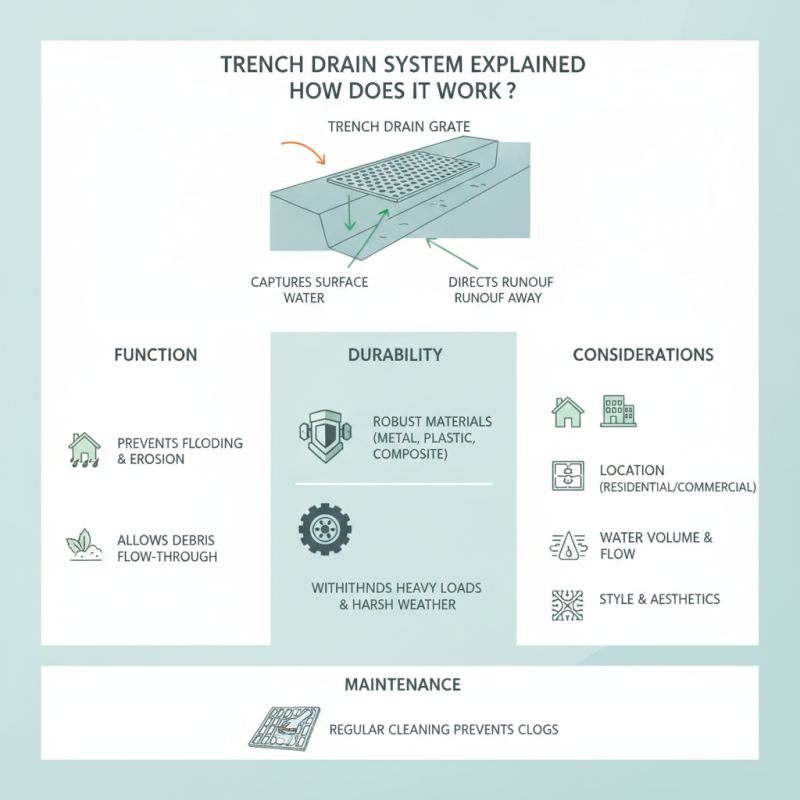
A trench drain grate is a vital component in managing excess water. By directing runoff away, it prevents flooding and erosion. These grates fit over trench drains, capturing water while allowing debris to flow through.
Constructed from durable materials, a trench drain grate can withstand heavy loads and harsh weather. Its design varies, with options suitable for residential and commercial use. Many homeowners may underestimate their importance. However, without proper drainage, properties can suffer long-term damage.
Selecting the right trench drain grate requires consideration. Factors such as location, volume of water, and style play a role. A well-chosen grate not only enhances drainage efficiency but also complements landscape aesthetics. It’s crucial to reflect on maintenance, as neglect can lead to clogs and reduced functionality.
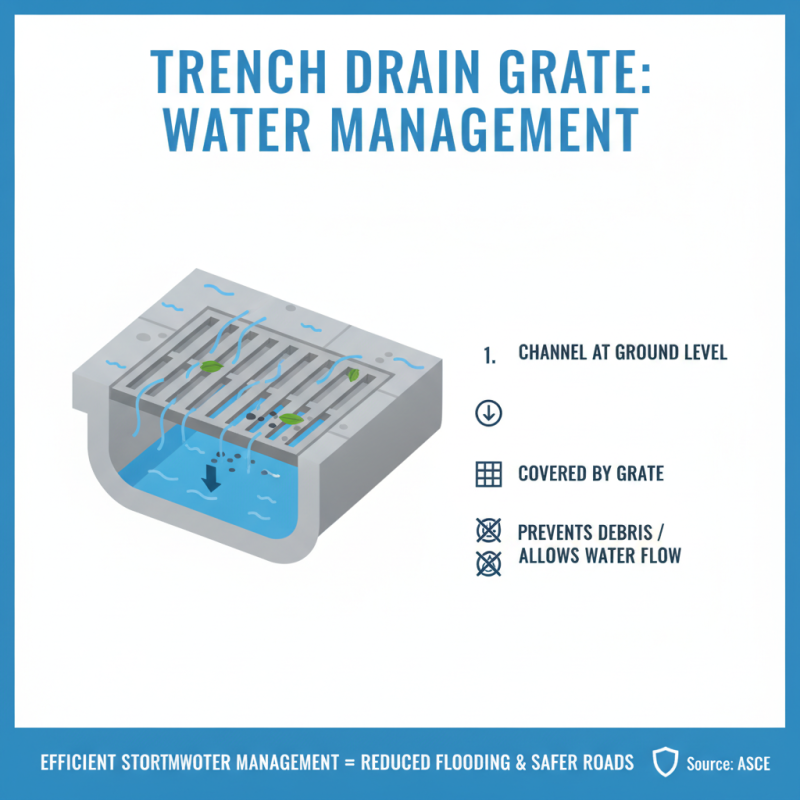
A trench drain grate is an essential feature for effective water management. It consists of a channel installed at ground level, covered by a grate. This design allows for efficient drainage while preventing debris from entering the system. According to the American Society of Civil Engineers, effective stormwater management mitigates flooding risks and enhances roadway safety.
Trench drain grates are commonly used in both commercial and residential settings. They are vital in areas where surface runoff needs to be channeled away quickly. In urban environments, about 40% of stormwater pollution originates from roads and parking lots. Trench drains help control this by directing water to treatment facilities or natural infiltration systems. With proper installation, they can contribute to maintaining water quality and reducing environmental impacts.
The types of materials for trench grates vary, from stainless steel to plastic. Each offers distinct benefits, yet not all materials are suited for every environment. For instance, a plastic grate may not resist heavy loads as effectively as steel. Engineers must consider factors such as load rating and environmental exposure when selecting a grate. This decision-making process can be complex, reflecting how trench drains play a critical role in sustainable design.
A trench drain system consists of several key components. At its core, there’s the drain channel. This channel collects excess water and directs it away from surfaces. Typically, these channels are made from materials like concrete or polymer.
The trench drain grate is crucial too. It covers the channel, allowing liquid to flow in while blocking debris. Grates come in various designs, from slotted to mesh styles, each providing different drainage capabilities. Proper selection is vital for efficient performance.
Tips: Regular maintenance is essential. Check for debris buildup that may hinder flow. Clean the grates periodically to maintain performance.
Another important element is the outlet. This is where the collected water exits the system, usually leading to a stormwater drainage area. The connection must be secure to prevent leaks and ensure optimal drainage.
Consider the surrounding environment. Height and slope affect water flow. Sometimes, adjustments to the system may be necessary. Understanding these components can lead to better system design and improved water management.
Trench drain grates are essential components in managing water flow. They work by allowing surface water to enter the trench while keeping out debris. This design prevents flooding and water accumulation, especially in low-lying areas. Water flows smoothly through the grate into the drainage system below.
Using trench drain grates efficiently helps to control water movement around your property. When choosing a grate, consider the material and size. Heavy-duty materials are ideal for high-traffic areas. Ensure the size matches the water flow expected in the area to avoid clogs. Maintaining cleanliness is crucial; regularly removing debris helps prevent blockages.
Tips: Regular inspections can help identify issues before they escalate. Use a brush or pressure washer to clean the grates effectively. Always keep the surrounding area clear to ensure optimal performance. Recognizing signs of wear or damage early can save on repair costs later. Remember, even a well-designed system can fail without proper maintenance.
Trench drain grates are essential drainage solutions for various surfaces. They effectively control water flow, preventing flooding and erosion. Their installation minimizes water accumulation in high-traffic areas, like driveways or walkways. This decrease in standing water not only enhances safety but also protects surrounding landscapes from water damage.
Benefits of using trench drain grates are numerous. They facilitate efficient water management, allowing for better drainage performance. With various designs, these grates blend seamlessly into outdoor settings. A well-installed trench drain can last for years, provided it is maintained properly. Regular checks for debris can prevent clogs.
Tips: When choosing a trench drain grate, consider the specific needs of your area. Match the design to your environment for better aesthetics. Keep in mind the importance of proper installation. An improper setup may lead to ineffective drainage. Always consult with professionals for installation advice.
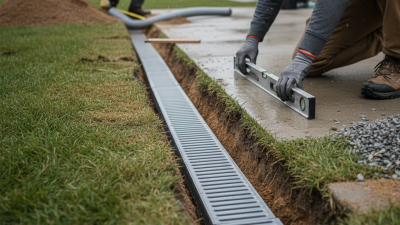
Trench drains are essential for effective water management. The installation process involves careful planning of slope and depth. These drains typically require at least a 1% slope for optimal drainage performance. Proper installation can prevent water pooling and minimize flooding risks, especially in commercial or industrial settings.
Regular maintenance is crucial to ensure trench drains function correctly. Cleaning debris from the grates can help maintain flow rates. A study by the American Society of Civil Engineers found that regular maintenance can extend the lifespan of trench drains by up to 25%. Neglecting maintenance could lead to clogs and costly repairs.
Consideration of materials is important as well. Stainless steel, polymer, and concrete are common among professionals. Each material has different durability and cost implications. The selection should reflect site-specific conditions. Incorrect choices may reduce efficiency and increase long-term expenses. Regular inspections can help identify potential issues early, ensuring longevity and effectiveness.