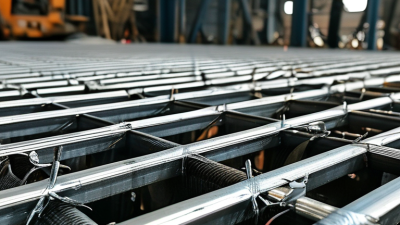
7 Welded Wire Buying Tips for Global Buyers

Buying welded wire for international projects involves more than comparing prices per roll. Mesh size, wire diameter, panel dimensions, coating, and packaging can affect performance, installation, and total cost. A product may look suitable in a sample photograph, yet fail when tolerances, corrosion exposure, or delivery conditions are ignored.

This guide presents seven practical welded wire buying tips for global buyers. It focuses on specifications that can be checked before production, including material grade, weld strength, galvanized coating, and dimensional accuracy. It also explains why reliable buyers request mill test reports, inspection records, samples, and clear declarations of conformity. These documents do not replace independent verification, but they create a stronger basis for decisions.

Details matter. A 2.5-millimeter wire can be unsuitable when a project requires 3 millimeters. A poorly protected bundle may arrive with bent edges after a long sea journey. Experienced sourcing teams compare suppliers, confirm applicable standards, review production capacity, and clarify payment and shipping terms before placing orders. Supplier experience matters too. However, no checklist is perfect. I have seen technically correct orders become difficult because packaging instructions were vague or local installation conditions were misunderstood. That weakness deserves attention. Good purchasing combines engineering judgment, documented evidence, and honest communication. With a careful process, welded wire can meet project requirements more consistently while reducing avoidable quality, compliance, and logistics risks.
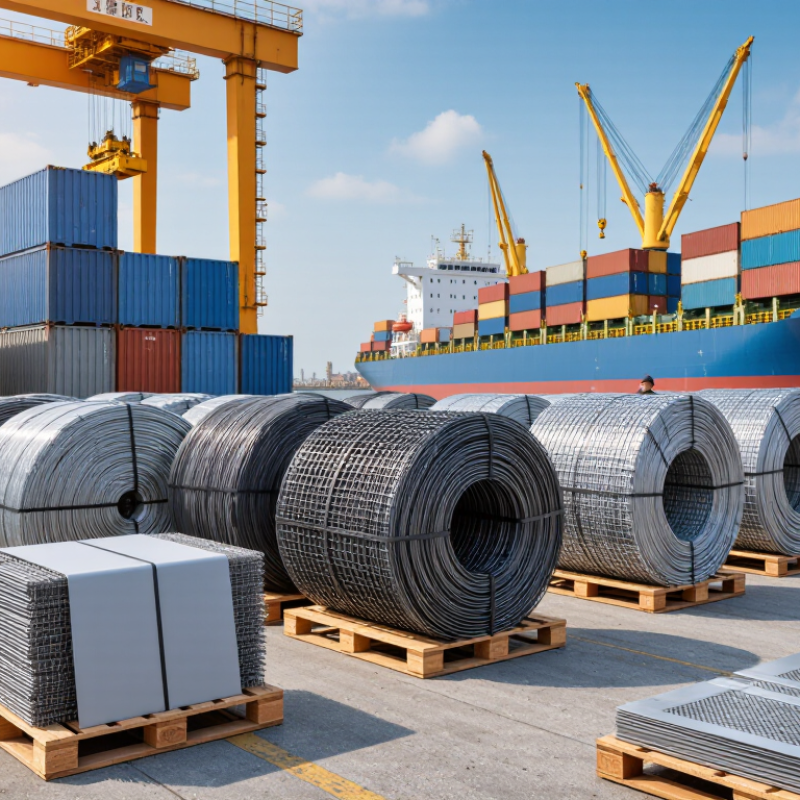
7 Welded Wire Buying Tips for Global Buyers

Define the Welded Wire Product You Need

Defining the welded wire product starts with its intended job. A garden enclosure needs different performance from a livestock panel or concrete reinforcement sheet. Describe the application, installation method, and expected service life before requesting prices. This prevents suppliers from quoting a product that looks similar but performs differently.

Specify the wire material, diameter, mesh opening, panel or roll format, and surface finish. For example, write “2.5 mm galvanized wire, 50 mm by 50 mm openings, 1.8 m by 30 m roll.” Avoid vague terms such as heavy duty. Include the required tensile strength, weld quality, edge treatment, and dimensional tolerance when these details affect installation. Coating thickness also matters in damp or coastal environments. Ask for inspection records and a sample if the order is significant.

Think about handling at the destination. A large roll may reduce packaging costs but create difficult unloading conditions. Panels need protection against bent edges and damaged welds. Confirm bundle weight, pallet dimensions, labels, and moisture protection in writing. I once overlooked access limits at a job site; the selected panels were technically suitable but awkward to carry through a narrow gate. That mistake changed the specification. A short checklist, drawing, and sample approval can expose similar problems before production begins.

7 Welded Wire Buying Tips for Global Buyers — Define the Welded Wire Product You Need

Start by specifying the application, wire diameter, mesh opening, and product format. The chart below shows common market configurations used as a practical reference; exact requirements may vary by project standards and local regulations.

Lighter fencing commonly uses approximately 2–3 mm wire, while security fencing and concrete reinforcement typically require larger diameters such as 4–6 mm. Always confirm mesh opening, wire tolerance, coating, panel or roll dimensions, and applicable standards before ordering.

Check Material Quality, Coating, and Weld Strength

7 Welded Wire Buying Tips for Global Buyers

Tip 1: Check the base material before discussing price.

Confirm the wire grade, diameter tolerance, tensile strength, and manufacturing standard. A mill certificate should match the actual production batch. Test a few rolls independently when the order is large. Small differences can affect cutting, bending, and installation. Do not trust appearance alone.

Tip 2: Inspect the coating closely.

Galvanized wire should have even coverage, firm adhesion, and no bare patches, heavy lumps, or flaking. Ask for coating thickness results, not only a general compliance statement. Check cut edges and welded joints carefully. Not every shiny surface is well protected. Packaging also matters, especially during long sea transport. Moisture inside wrapping can create early corrosion.

Tip 3: Verify weld strength with practical evidence.

Request intersection shear tests, welding records, and sample inspection results. Strong welds should resist separation without excessive wire distortion. Confirm that welding heat has not weakened the surrounding wire. A visual check helps, but it is limited. I have seen neat-looking mesh fail after repeated handling. My own buying checklist has changed because of this. Independent pre-shipment inspection adds cost, but it can reveal inconsistent weld spacing, mixed wire diameters, or coating damage before delivery. Ask for retained samples from each batch.

Match Mesh Size, Wire Diameter, and Panel Dimensions

7 Welded Wire Buying Tips for Global Buyers

Match Mesh Size, Wire Diameter, and Panel Dimensions

Mesh size is more than a number on a quotation. Confirm whether the supplier measures the clear opening or the wire centerline. These two methods can produce different results. Ask for a technical drawing before placing an order. It should show opening width, opening height, wire diameter, and measurement tolerances.

Wire diameter affects strength, weight, handling, and freight cost. A 4 mm wire may look close to a 3.8 mm requirement, but that small difference can change panel rigidity. Use a calibrated micrometer during sample inspection. Check several points, not just one corner. Coatings can also increase the measured diameter.

Panel dimensions need equal attention. Confirm length, width, squareness, flatness, and edge treatment. A panel that is 2,400 mm long may not fit a frame designed for 2,395 mm. Measure diagonals to detect distortion. Ask whether dimensions describe the welded wire only or include border wires.

I once reviewed a shipment where the mesh was correct, but the panels were stacked in the wrong orientation. Installation slowed immediately. That mistake was avoidable. Specify packing direction, bundle labels, and maximum bundle weight in the purchase documents. Do not rely on a casual email. Drawing revisions can be missed, especially across time zones. Leave room for honest review when the first sample feels “almost right.”

Compare Suppliers, Prices, Certifications, and Production Capacity

7 Welded Wire Buying Tips for Global Buyers

A reliable supplier should explain wire diameter, mesh opening, coating, welding tolerance, and packing clearly. Ask for production photos, recent test reports, and traceability records. A factory visit or live video audit can reveal storage conditions, welding lines, and quality controls.

Do not compare prices alone. Request identical specifications, quantities, delivery terms, tooling costs, and payment conditions. A low unit price may hide expensive ocean freight, weak packaging, or repeated rework. Compare the landed cost instead.

Check whether certificates match your destination and application. Verify the issuing laboratory, report date, test method, and material grade. Generic certificates are not enough. Request samples from the actual production line, then measure mesh openings and wire diameter with simple calipers. Test weld strength when safety or load performance matters.

Capacity also needs evidence. Review monthly output, equipment numbers, shift patterns, raw material inventory, and current order commitments. A supplier promising 500 tons monthly may have only one aging welding machine.

My own early comparison missed seasonal capacity limits. That mistake delayed delivery. Ask for a realistic production schedule, inspection date, and backup plan.

Put approved drawings, tolerances, certificates, packaging photos, and remedies for nonconforming goods into the purchase contract. Keep communication records. Clear evidence is stronger than confident promises.

Supplier performance should be reviewed after each shipment, including defect rates, response time, and document accuracy.

Seven checks sound simple. They are not always convenient.

Confirm Packaging, Shipping Terms, and Import Requirements

7 Welded Wire Buying Tips for Global Buyers

Packaging deserves the same attention as wire quality. Ask whether rolls are wrapped with waterproof film, secured with steel straps, and separated by pallets. For coastal shipments, add moisture barriers and desiccant bags. Confirm the roll diameter, bundle weight, pallet dimensions, and maximum stack height. These details affect warehouse handling and container space. Request loading photos before dispatch. Small packaging changes can prevent expensive deformation.

Shipping terms must be written clearly. Confirm the exact Incoterm and named destination, such as the port or warehouse. Clarify who pays for inland transport, insurance, unloading, customs clearance, storage, and demurrage. Do not accept “shipping included” without a cost breakdown. Check the estimated sailing schedule, transshipment points, and document release process. Delays happen. Your purchase plan should allow for them.

Import preparation needs accurate documents. Verify the HS code, wire diameter, mesh size, coating type, quantity, country of origin, and declared value. Request a commercial invoice, packing list, bill of lading, and applicable quality documents. Ask a licensed customs broker to review local duties, labeling rules, inspection requirements, and product restrictions before payment. A common mistake is trusting an old import checklist. Regulations and port procedures can change. Recheck every shipment, even when the product looks identical.

7 Welded Wire Buying Tips for Global Buyers - Confirm Packaging, Shipping Terms, and Import Requirements
Tip Buying Dimension What to Confirm Before Ordering Practical Data or Standard Reference Required Evidence Common Risk to Avoid
1 Define the Product Specification Confirm wire diameter, mesh opening, panel or roll format, sheet dimensions, weld pattern, and dimensional tolerances. State measurements in millimetres and identify whether the mesh opening is measured from wire centreline to centreline or between wire surfaces. For construction applications, specify the applicable reinforcement or fencing standard in the purchase specification. Approved technical drawing, product specification sheet, and pre-production sample when required. Ordering by a general description such as “welded mesh” can result in the wrong wire gauge, aperture, or product format.
2 Verify Material and Coating Identify the steel type and surface finish, such as plain carbon steel, zinc-coated wire, or stainless steel. Confirm coating method and corrosion-resistance requirements. For zinc-coated products, request the coating mass or thickness and the applicable test method. ISO 1461 is commonly used for batch hot-dip galvanized articles, while wire-specific requirements may be covered by other national or international standards. Mill test certificate, coating test report, material grade, and corrosion or finish declaration where applicable. Comparing products only by price may hide differences in steel grade, zinc coating, weld strength, or service life.
3 Confirm Packaging and Marking Agree on roll or pallet packaging, edge protection, moisture protection, stacking limits, gross and net weight, and package dimensions. Export packaging should protect the mesh from deformation, abrasion, and prolonged moisture exposure. Each package should normally show product description, dimensions, quantity, lot or batch reference, gross weight, net weight, and country of origin when required. Packaging drawing or photos, packing list, package-marking artwork, and confirmed pallet or container loading plan. Weak packaging can cause bent panels, crushed rolls, rust staining, or inaccurate shipping-weight calculations.
4 Choose the Shipping Term Carefully Confirm the agreed Incoterms® rule, named place, transfer point, freight responsibility, insurance responsibility, and destination charges. Under FCA, the seller delivers the goods to the carrier or another party at the named place. Under CIF, the seller arranges cost, insurance, and freight to the named port, but risk transfers when goods are loaded on board. The exact rule and named location must be written in the contract. Purchase contract, commercial invoice, freight quotation, insurance details where applicable, and bill of lading or transport document. Using “FOB destination” or “freight included” without a precise Incoterms® rule can create disputes over risk, inland transport, insurance, and terminal fees.
5 Check Import Classification and Duties Confirm the likely HS classification, customs valuation basis, duty rate, import taxes, trade remedies, and any quota or licensing requirements in the destination country. Welded wire products may be classified differently depending on material, coating, dimensions, intended use, and whether they are reinforcement products, fencing, or other articles. The importer should obtain a binding or advance tariff ruling when classification is uncertain. HS classification review, customs entry data, certificate of origin when eligible, and duty or tax estimate from the importer or customs broker. Applying an incorrect tariff code can cause clearance delays, additional duty, penalties, or retroactive assessments.
6 Review Import and Compliance Documents Identify documents required by the destination country, project owner, customs authority, and transport provider before production begins. A typical shipment may require a commercial invoice, packing list, transport document, certificate of origin when applicable, insurance certificate when required, and inspection or conformity documents. Requirements vary by country and end use. Document checklist, importer-of-record details, regulatory declarations, test certificates, and signed commercial documents. Missing or inconsistent descriptions, quantities, weights, or origin information can place the shipment on customs hold.
7 Control Quality, Inspection, and Landed Cost Set inspection points for dimensions, wire diameter, weld integrity, coating, quantity, packaging, and visible damage. Calculate the full landed cost before comparing suppliers. Landed cost should include product price, export packing, inland transport, ocean or air freight, insurance, destination handling, customs duty, import tax, brokerage, delivery, inspection, and possible storage charges. Inspection and test plan, sampling method, inspection report, approved defect criteria, final invoice, and landed-cost worksheet. A low ex-works price may become more expensive after freight, duty, port charges, rework, delays, or rejected goods are included.