Top 10 Stair Nosings Suppliers in China

Stair nosings look like small components, yet they shape how a staircase performs under daily use. They protect exposed tread edges, improve visual contrast, and can provide added grip where people step. The need for careful specification is clear. The World Health Organization’s 2021 falls fact sheet estimates that 37.3 million falls each year are severe enough to require medical attention. It also reports about 684,000 fatal falls annually worldwide. These figures cover falls across many settings, not stair-related incidents alone, but they underline why details in walking surfaces deserve attention.

China offers buyers a broad supplier base, from manufacturers of aluminum profiles to producers of abrasive inserts and photoluminescent options. Comparing suppliers takes more than checking price or browsing product photos. Buyers should review material specifications, tread compatibility, finish consistency, available test documentation, sample quality, and export experience. Ask how the supplier controls dimensions and bonds inserts to the profile. Small differences can matter on site. A polished catalog is not proof of consistent production.

This guide introduces ten stair nosings suppliers in China and provides a practical starting point for comparison. It is not a laboratory ranking, and supplier capabilities can change. Confirm current product details directly, request relevant documentation, and assess samples against the project’s actual conditions. Look closely. A little extra scrutiny can prevent a costly mismatch.
Top 10 Stair Nosings Suppliers in China

What Stair Nosings Are and Where They Are Used

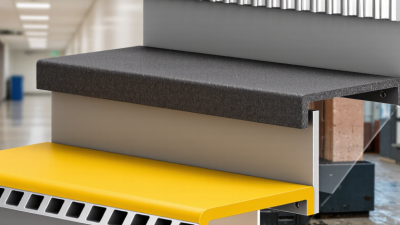
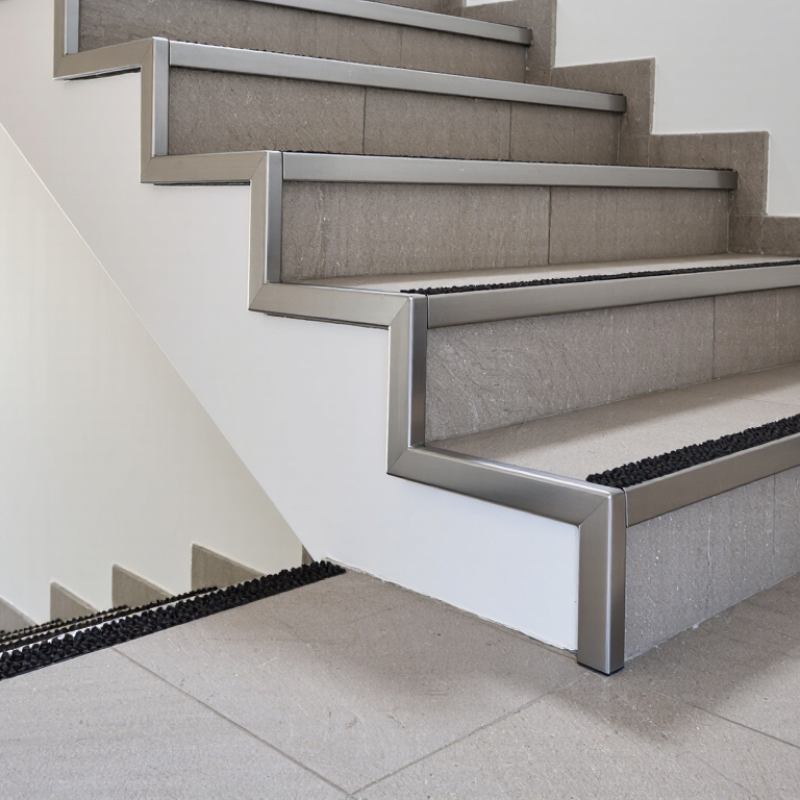
Stair nosings are profiles fitted to the front edge of a stair tread. They help protect exposed edges from chipping and make the step boundary easier to see. Many designs include a textured or grooved surface to improve underfoot grip, especially where shoes may be wet. Common materials include aluminium, stainless steel, rubber, and PVC. The right choice depends on foot traffic, moisture, cleaning methods, and the stair substrate. Details matter.

You will find stair nosings in offices, schools, shopping centres, transport buildings, factories, and homes. Outdoor steps often need profiles suited to rain, temperature changes, and frequent cleaning. In busy indoor corridors, a durable edge can reduce visible wear and help keep stair appearance consistent. Contrasting colours may help users distinguish each tread, though lighting and visual conditions still matter. Before installation, check the profile’s dimensions, fixing method, and compatibility with the flooring. A product can look suitable in a catalogue yet fail on an uneven or damp surface. That part is easy to overlook. Repairing a poorly fitted edge may take more work than selecting the right profile initially.

How to Evaluate Stair Nosings Suppliers in China

Top 10 Stair Nosings Suppliers in China

How to Evaluate Stair Nosings Suppliers in China

A polished sample can look convincing. It proves little about long-term performance. When evaluating suppliers, ask for product drawings, material specifications, and test reports tied to the exact model you plan to buy. Check that dimensions match your stair edges, and inspect how the nosing is fixed: screw holes, adhesive channels, and edge coverage should be clearly documented.

WHO’s 2021 Global Report on Falls Prevention estimates that 684,000 fatal falls occur worldwide each year. That figure is not specific to stair nosings, but it underlines why slip resistance and secure installation deserve careful verification.

Request test methods and results, not just claims such as “anti-slip” or “wear-resistant.” Confirm whether testing applies to the supplied surface and material, and ask how results change after abrasion or cleaning. For aluminium profiles, examine finish consistency, sharp edges, and corrosion-test records; for inserts, check replacement options and batch traceability.

A factory audit or live production video can help verify equipment and inspection steps, but neither replaces independent test evidence. Ask for a small production sample and compare it with the approved drawing.

One detail is easy to miss: adhesive performance can vary with the substrate and site temperature. Require written installation guidance, warranty terms, and a clear process for reporting defects. A neat sample is not enough.

Top 10 Stair Nosings Suppliers in China

Top 10 Stair Nosings Suppliers in China

Choosing among the top 10 stair nosings suppliers in China takes more than comparing online prices. A reliable supplier should explain material, profile dimensions, surface finish, and installation requirements. Ask for samples and confirm they match the production specification. On a busy staircase, a durable anti-slip insert may matter more than a polished product photo. Check the edge shape and cut accuracy. Small gaps can collect dirt, while uneven profiles may feel uncomfortable underfoot. Catalog images rarely reveal these details.

Compare suppliers through clear drawings, sample checks, and realistic lead-time estimates. Request relevant test documents and ask how the nosings are packed to prevent scratches or bent edges during shipping. Confirm whether custom lengths and replacement pieces are available. One easy mistake is to judge a supplier by a single sample; production batches can vary, so ask how quality is checked. No checklist removes every risk, but specific questions make comparisons more useful.

Tips: Measure stair width and nosing depth before requesting a quote. Share photos of the stair edge, and ask the supplier to confirm fit in writing. Don’t skip a sample review, even when the schedule feels tight.

Top 10 Stair Nosings Suppliers in China

A non-branded guide to common supplier categories and product capabilities. The entries are not named companies or a verified ranking.

No. Supplier Category Common Products Typical Applications Details to Confirm Before Ordering
1 Aluminum extrusion manufacturer Aluminum stair-nosing profiles, often with replaceable inserts or grooved surfaces Commercial buildings, offices, retail spaces, and public interiors Profile drawings, alloy and temper, finish, dimensions, tolerances, and insert availability
2 Aluminum stair-nosing fabricator Cut-to-length or made-to-order aluminum nosings with drilled or countersunk fixing holes Renovation projects and staircases with non-standard dimensions Cutting tolerances, hole spacing, edge finish, minimum order quantity, and packaging
3 PVC profile manufacturer PVC nosings and profiles with molded or co-extruded grip surfaces Indoor stairs in residential, educational, and light-commercial settings Material grade, available colors, profile dimensions, temperature limits, and installation method
4 Rubber flooring-accessory manufacturer Rubber stair treads, nosings, and coordinating flooring accessories Indoor areas where a resilient surface and slip-resistant texture are required Product thickness, hardness, color consistency, cleaning guidance, and adhesive compatibility
5 Stainless-steel metal fabricator Stainless-steel nosings and formed metal edge profiles Commercial, institutional, and selected exterior applications Steel grade, sheet thickness, finish, fabrication method, corrosion requirements, and edge details
6 Carborundum and abrasive-insert supplier Nosings or insert strips with abrasive particles bonded to a backing Stairs that need a more aggressive slip-resistant walking surface Abrasive type, grit specification, insert dimensions, backing material, and replacement options
7 Photoluminescent stair-safety product supplier Nosings or edge strips incorporating photoluminescent elements Projects requiring visible stair edges during low-light conditions Applicable test reports, charging conditions, afterglow data, installation instructions, and local code requirements
8 Carpet stair-accessory manufacturer Carpet-compatible nosings and profiles designed to retain or protect carpet edges Carpeted stairs in hotels, offices, residential buildings, and public interiors Carpet thickness range, fixing method, profile dimensions, finish, and compatibility with the flooring build-up
9 Tile and stone transition-profile supplier Metal or polymer edge profiles for tiled and stone stair treads Stairs finished with ceramic tile, natural stone, or similar hard surfaces Tile thickness range, visible-face width, corner pieces, installation sequence, and substrate requirements
10 Multi-material stair-safety product supplier Product ranges combining metal bases, polymer inserts, grip strips, or coordinated accessories Projects sourcing multiple nosing styles or related stair-edge components Material specifications, product-to-product compatibility, sample availability, lead times, and quality-control documents

Product materials and features vary by manufacturer and model. Verify specifications, test documentation, applicable building-code requirements, and samples for the intended project before purchase.

Comparing Materials, Product Ranges, and Customization Options

When comparing stair nosing suppliers in China, start with the material and the conditions at the installation site. Aluminum is light and easy to shape, making it common for indoor stairs and retrofit projects. Stainless steel handles heavy traffic and frequent cleaning, though it may feel cold underfoot. PVC and rubber inserts can improve grip and add contrast, but their wear resistance varies by formulation. Ask for samples. Check the insert’s fit, edge finish, and surface texture in person. A glossy sample can look attractive yet become slippery when wet.

Product ranges matter as much as material choice. Some suppliers offer straight profiles, stair treads, corner trims, and matching accessories; others focus on a narrower selection. Compare available heights, widths, fixing methods, and finishes against your drawings. Customization may include cut-to-length pieces, hole spacing, colored inserts, or profile dimensions. Request a sample run before approving a large order. Confirm that production tolerances and packaging suit the project, especially for long lengths prone to bending. Specifications can still miss real site conditions. A small trial installation may reveal awkward edges or mismatched colors that drawings cannot show. Ask suppliers how they document material grades and inspect finished products, then compare those records with the needs of your project.

How to Verify Suppliers and Plan Your Purchase

For a stair nosing supplier, verify the factory before comparing prices. Request its business details, production address, and recent quality records. Match any test report to the exact product, material, and finish you plan to order. A report with unclear dates or product scope needs follow-up. Paperwork alone is not proof of consistent production.

Ask for a sample cut to your required profile. Check its dimensions with calipers, then inspect the edge, surface, and fixing holes under good light. Confirm compatibility with your stair substrate, adhesive or fasteners, and expected foot traffic. Small differences matter. Share a drawing that states length, width, color, tolerances, and packaging requirements. Ask who checks these details before shipment, and request dated inspection photos. Photos help, but they cannot replace a physical sample.

Plan the order around confirmed measurements, not rough estimates. Include spare lengths for cuts and damage, but avoid overbuying before the sample is approved. Agree on production time, packing method, delivery terms, and payment milestones in writing. For a first purchase, a smaller trial batch can reveal issues with fit or finish. It may cost more per unit. Still, finding a mismatch after a large shipment costs more in time and rework. Check the final packing list against the order before dispatch.