What Is Expanded Metal Mesh Types Uses and Benefits

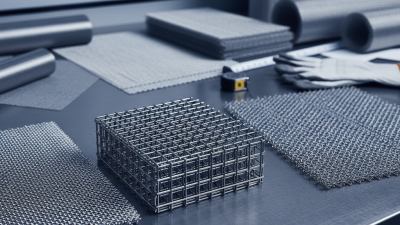
Expanded metal mesh is a practical sheet material with a surprisingly complex design story. A solid sheet is slit and stretched into diamond-shaped openings, creating one continuous structure without welded joints. This process can reduce scrap, improve airflow, and provide useful strength at a relatively low weight.

Recent market studies from Grand View Research, MarketsandMarkets, and Fortune Business Insights identify construction, transportation, energy, and industrial equipment as important demand sectors for metal mesh products. Their findings also point to rising interest in lightweight materials, ventilation systems, protective screens, and architectural façades. However, market estimates differ by scope, region, and product definition. That limitation matters.

Robert McNichols, an early leader in the North American expanded-metal industry, expressed a practical selection principle: “The right mesh begins with the application, not the appearance.” The wording is simple. The lesson is important. Opening size, strand width, sheet thickness, alloy, finish, and load direction can change performance significantly.

In a factory, a walkway may require flattened steel mesh with firm traction. A building façade may need aluminum mesh with controlled transparency and corrosion resistance. A filter support may demand smaller openings and tighter dimensional control. One product cannot serve every condition.

Engineers should review load data, exposure conditions, installation methods, and relevant ASTM or EN requirements before specifying expanded metal mesh. Cost alone can mislead. A cheaper sheet may bend sooner, corrode faster, or require extra framing. No material is perfect. Good selection depends on measured needs, verified manufacturing quality, and honest attention to the details.

What Is Expanded Metal Mesh Types Uses and Benefits

Definition and Basic Structure of Expanded Metal Mesh

Expanded metal mesh starts as a solid metal sheet, not a bundle of wires. A press makes repeated cuts and stretches the sheet in one operation. The cuts open diamond, hexagonal, or decorative patterns without removing much material. No separate wires are welded together.

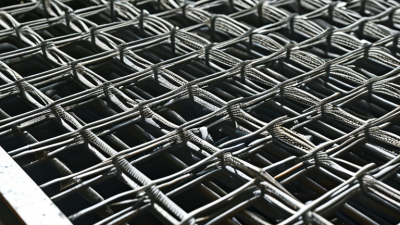
Its basic structure includes strands, bonds, openings, and solid borders. Strands form the visible ribs around each opening. Bonds are the connected areas between adjacent strands.

Manufacturers describe opening size through short way of design and long way of design dimensions. Strand width, sheet thickness, and open-area percentage also affect performance.

The geometry is not perfectly uniform after stretching. That detail matters during installation.

ASTM F1267-19 provides a recognized specification framework for expanded steel products, including dimensions and material requirements. The World Steel Association reported about 1.89 billion tonnes of crude steel production worldwide in 2023. This scale helps explain steel’s common use in expanded mesh, but it does not prove every grade suits outdoor exposure.

The USGS Mineral Commodity Summaries 2024 reported approximately 70 million metric tons of primary aluminum production in 2023. Aluminum mesh can therefore offer a lighter alternative, especially where corrosion resistance and reduced handling weight matter.

In practice, cut edges may feel sharper than drawings suggest. A careless specification can waste material. Checking thickness, opening size, coating, and load direction remains essential.

How Expanded Metal Mesh Is Manufactured

Expanded metal mesh begins as a solid sheet, not a woven wire product. Steel, aluminum, or stainless steel enters a machine in a controlled width. A sharp die makes repeated cuts while the sheet advances. The machine stretches each cut section into diamond-shaped openings. No material is removed during this operation. That feature helps reduce waste and preserves the sheet’s continuous structure.

Manufacturers adjust the die, feed rate, and sheet thickness for each specification. These settings control strand width, opening size, and overall strength. Short Way and Long Way dimensions describe the opening pattern. The mesh may then pass through leveling rollers to reduce distortion. Edges can be trimmed, and surfaces may receive galvanizing, painting, or another suitable finish. Inspection usually checks dimensions, flatness, coating coverage, and visible defects.

The final mesh can support walkways, guards, screens, ceilings, and ventilation panels. Its open pattern allows airflow and light while offering useful rigidity. It is also easier to cut and form than many solid panels. However, manufacturing is not completely predictable. Heat, tension, and tool wear can slightly change the opening shape. That difference matters during installation. Careful measurement remains necessary, even when the product appears uniform. In practice, a reliable specification should include material grade, thickness, opening dimensions, strand size, finish, and acceptable tolerances.

Main Types and Classification of Expanded Metal Mesh

Expanded metal mesh is classified by its surface shape, opening pattern, material, and strand size. The main type is standard raised mesh, formed by cutting and stretching a metal sheet. Its diamond openings create a slightly uneven surface with useful grip. Flattened expanded metal passes through rollers after forming. This produces a smoother face for screens, guards, and decorative panels. Expanded grating uses thicker strands and larger openings. It supports heavier loads on platforms, walkways, and steps.

Classification also depends on opening dimensions and strand measurements. Long way of opening describes the diamond’s longer direction, while short way of opening shows its narrower direction. Strand width and thickness affect strength, weight, airflow, and visibility. Common materials include carbon steel, aluminum, and stainless steel. Material choice should match humidity, heat, load, and expected maintenance. A coastal installation may need better corrosion resistance. That detail is easy to overlook.

Tips: Measure the opening direction carefully before ordering. A reversed orientation can change installation results. Inspect edges for sharp points, especially after cutting. Use suitable framing to prevent movement and vibration. In practice, mesh selection is rarely perfect on the first attempt. Designers sometimes focus on open area and forget cleaning access. A small sample panel can reveal glare, noise, and handling problems before full production.

Expanded Metal Mesh: Main Types, Uses and Benefits

Representative open-area percentages by common expanded metal mesh classification

Standard raised mesh provides strong three-dimensional rigidity, while flattened mesh offers a smoother surface for flooring, guards and panels. Micro mesh is commonly selected for filtration and fine screening, and architectural mesh is used for façades, ceilings, partitions and decorative screens. Open area varies with sheet thickness, strand width, mesh length and mesh width; the values shown are representative midpoints of commonly used ranges.

Common Applications Across Different Industries

Expanded metal mesh is made by cutting and stretching a solid metal sheet. This process creates diamond, hexagonal, or decorative openings without producing loose strands. The mesh may be lightweight, flattened, or raised for stronger grip. Its open structure allows air, light, and water to pass through. That makes it useful across demanding working environments.

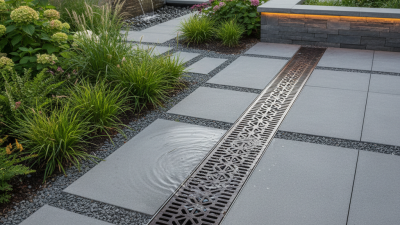
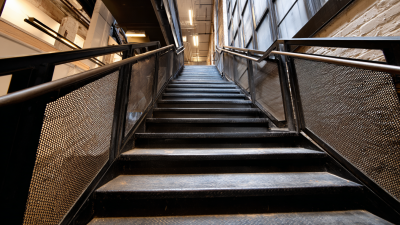
In construction, expanded metal mesh appears in walkways, stair treads, ceiling panels, and protective barriers. Raised surfaces can improve traction near wet entrances or production floors. Architects also use it for façades and screens, where it filters sunlight while preserving airflow. In factories, mesh guards help separate workers from moving equipment. These panels remain visible, which supports routine inspection. Small details matter.

Agricultural facilities use mesh for ventilation panels, storage cages, and equipment covers. In transport equipment, it can reduce weight while protecting radiators, vents, and underbody components. Electrical enclosures may use it for ventilation and physical protection. Industrial designers often select aluminum for lower weight or steel for greater rigidity. Stainless steel can suit humid or corrosive locations, though the cost may rise. A practical mistake is choosing the opening pattern by appearance alone. Load direction, edge treatment, corrosion exposure, and cleaning access deserve equal attention. In real installations, poorly supported edges can deform sooner than expected. That lesson is easy to overlook.

What Is Expanded Metal Mesh? Types, Uses and Benefits — Common Applications Across Different Industries

Expanded Metal Mesh Type Typical Manufacturing Feature Common Materials Typical Opening or Profile Common Applications Main Benefits Important Design Considerations
Standard Raised Mesh Sheet is slit and stretched in one operation, leaving the strands raised above the sheet surface. Carbon steel, galvanized steel, stainless steel, aluminum. Diamond-shaped openings with a three-dimensional surface. Walkways, platforms, machine guards, fencing, screens and ventilation panels. High strength-to-weight ratio, slip resistance, good airflow and efficient material use. Raised strands may require orientation checks and additional clearance in close-fitting assemblies.
Flattened Mesh Raised mesh is passed through rollers to produce a flatter, more level surface. Carbon steel, galvanized steel, aluminum and stainless steel. Diamond openings with a relatively smooth face and reduced surface profile. Architectural panels, ceilings, partitions, furniture, grilles and decorative facades. Easier to handle, paint and frame; offers a cleaner appearance and smoother surface. Flattening can reduce the original raised profile, so load and opening requirements should be verified.
Micro Expanded Mesh Manufactured from thin sheet with small slits and closely spaced openings. Aluminum, stainless steel, copper and other thin conductive metals. Small diamond or fine-pattern openings designed for filtration, shielding or screening. Electronic shielding, speaker grilles, fine filters, battery components and laboratory equipment. Lightweight construction, controlled airflow and electromagnetic shielding potential when properly grounded. Fine openings can clog more easily and may require careful cleaning and handling.
Heavy-Duty Expanded Mesh Produced from thicker plate or heavier-gauge sheet with larger strands and stronger bonds. Carbon steel, weather-resistant steel and stainless steel. Large diamond openings, thicker strands and greater load-bearing capacity. Industrial flooring, ramps, bridges, heavy equipment guards and access platforms. Excellent rigidity, impact resistance, long service potential and reduced need for separate welds. Higher weight requires stronger supporting structures, suitable lifting equipment and corrosion protection.
Architectural Expanded Mesh Selected for controlled patterns, visual texture, light transmission and facade appearance. Aluminum, stainless steel, weathering steel and coated carbon steel. Customized diamond, hexagonal or directional patterns with varied strand widths. Building facades, sun-control screens, balustrades, ceilings, interior walls and signage backgrounds. Combines visual appeal with daylight control, ventilation, privacy and material efficiency. Pattern direction, viewing angles, wind loads, edge finishing and color consistency should be coordinated early.
Hexagonal Expanded Mesh Manufactured with a non-diamond opening pattern to provide a different balance of openness and rigidity. Aluminum, stainless steel, galvanized steel and copper. Hexagonal or honeycomb-style openings, depending on the tooling and sheet design. Air grilles, decorative screens, speaker covers, lighting components and equipment protection. Distinctive appearance, good open area, low weight and effective ventilation. The opening geometry affects visibility, airflow, acoustic behavior and the required frame support.
Perforated-Style Expanded Mesh Uses closely spaced cuts or specialized patterns to create a more uniform screening surface. Aluminum, stainless steel, galvanized steel and coated steel. Fine, regular openings intended for controlled passage of air, light or particles. HVAC covers, ventilation guards, equipment panels, acoustic screens and process enclosures. Consistent appearance, useful open-area control and protection without completely blocking airflow. It should not be treated as a fine filter unless the opening size, pressure drop and filtration requirements are specifically evaluated.
Corrosion-Resistant Expanded Mesh Uses corrosion-resistant alloy or a protective finish selected for the service environment. Stainless steel, aluminum, galvanized steel and coated steel. Available in raised, flattened, fine or heavy-duty configurations. Marine equipment, chemical facilities, food-processing areas, outdoor screens and wastewater plants. Improved resistance to moisture, chemicals or salt exposure when the material is correctly specified. Material selection must consider chloride exposure, chemical compatibility, temperature and contact with dissimilar metals.
Selection note: Expanded metal mesh is specified by material, sheet thickness, strand width, strand thickness, short way of diamond, long way of diamond, open area, surface finish and panel dimensions. Actual load capacity, airflow and corrosion performance depend on the complete design and service conditions.

Key Benefits and Factors for Choosing Expanded Metal Mesh

What Is Expanded Metal Mesh: Types, Uses, and Benefits

Expanded metal mesh is made by cutting and stretching one metal sheet. This process creates diamond-shaped openings without welding joints. The result is a lightweight panel with useful structural strength.

The key benefit is material efficiency. One sheet becomes a larger surface, producing less scrap than perforating or assembling separate wires. The World Steel Association reported 1.89 billion tonnes of crude steel production in 2023, showing steel remains widely available for industrial fabrication. However, availability does not guarantee suitability. Mesh selection still requires careful checking.

Choose the mesh by strand width, thickness, short-way opening, and long-way opening. These dimensions control airflow, visibility, weight, and load capacity. Small openings suit guards and walkways. Larger openings support ventilation and screening. Expanded metal can also provide slip resistance when raised strands face upward. It works well for platforms, machine guards, facades, filters, and partitions.

Corrosion protection matters. Galvanized steel suits many outdoor applications, while aluminum reduces weight and resists oxidation. Stainless steel performs better in demanding, humid environments, but costs more.

A 2024 industry analysis from Grand View Research identifies construction and infrastructure as important demand areas for expanded metal products. Still, project conditions differ. Engineers should verify load ratings, opening tolerances, edge support, and local safety requirements before ordering.

A practical mistake is choosing by appearance alone. It looks simple. It is not. The wrong opening size can reduce safety, ventilation, or visibility. Testing a small sample first often prevents expensive changes later.