What Is Fiberglass Grating and What Types Are Available?
Fiberglass grating is a structural flooring material made from glass fibers and resin. It offers corrosion resistance, electrical nonconductivity, and relatively low maintenance. These qualities make it useful in wastewater plants, chemical facilities, marine walkways, and industrial platforms. Unlike steel, it does not rust when exposed to saltwater or many corrosive chemicals. However, chemical compatibility still requires careful verification. Resin selection matters.
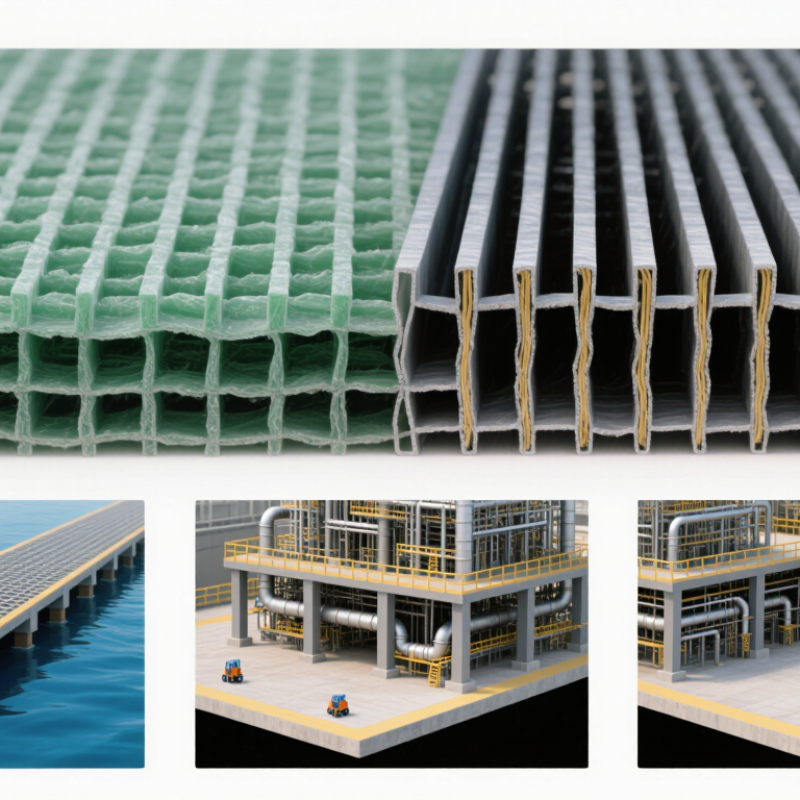
The most common options include molded fiberglass grating and pultruded fiberglass grating. Molded panels contain continuous glass strands distributed through the entire structure. They provide strong load sharing and reliable performance under changing conditions. Pultruded panels use aligned glass fibers for higher directional strength and longer spans. Their open profiles can also reduce weight during installation. Some projects require phenolic grating for lower smoke and flame-spread performance. Others need solid-top surfaces for easier cleaning or improved foot protection.
Choosing between these types depends on span, load, slip resistance, fire requirements, and the surrounding environment. Wet areas may need a grit surface, not a smooth finish. Small details matter. A site inspection should consider drainage, support spacing, footwear, and chemical exposure. Manufacturer data and recognized testing standards provide useful evidence, but field conditions can differ. That distinction is easy to miss. This guide explains how fiberglass grating is manufactured, where each type performs best, and which practical limitations deserve attention. No single product fits every facility. Even experienced installers may need to reconsider an initial specification after checking actual loads and maintenance habits.
Definition and Basic Structure of Fiberglass Grating
Fiberglass grating is a load-bearing panel made from glass fibers and a thermosetting resin. The fibers provide strength, while the resin protects them from moisture and many corrosive chemicals. Together, they form a rigid, nonconductive structure. Its surface may include a molded grit layer for traction.
The basic structure contains bearing bars, cross-rods, and resin-rich junctions. Molded grating forms these parts in one integrated panel. Pultruded grating uses continuous glass fibers, producing strong directional bars. Neither type is automatically suitable for every location. Load span, chemical exposure, temperature, and support spacing still matter.
AMPP’s IMPACT study estimated global corrosion costs at 2.5 trillion dollars annually, equal to about 3.4% of global economic output. This explains why fiberglass grating appears in wastewater plants, marine walkways, and chemical facilities. It does not eliminate maintenance. Resin can weather, surfaces can wear, and poor support can cause deflection.
The U.S. Bureau of Labor Statistics recorded 885 fatal workplace injuries involving falls, slips, and trips in 2023. That figure does not prove fiberglass grating prevents accidents. It does show why surface traction deserves careful attention. Open-mesh panels drain rain quickly, while solid-top panels stop small tools from falling. A common field mistake is choosing by appearance alone. A lighter panel may still need stronger supports. The definition sounds simple, but real performance depends on design details, installation quality, and regular inspection.
How Fiberglass Grating Is Manufactured
Fiberglass grating is made by combining glass fibers with a resin matrix. The fibers provide tensile strength, while the resin resists moisture, chemicals, and corrosion. Manufacturing usually begins with continuous glass strands, called rovings. Workers arrange them inside a mold or guide them through a forming line. Resin is then added carefully to wet the fibers completely.
For molded grating, resin-saturated fibers fill a rectangular mold. Heat and pressure cure the panel into one solid structure. The surface may receive a grit coating for better slip resistance. Openings, bar spacing, and panel thickness depend on the intended load and drainage needs.
Pultruded grating follows a different route. Fibers pass continuously through a resin bath, shaped guides, and a heated die. The cured profiles are cut to length and assembled with cross rods.
Quality control cannot rely on appearance alone. Inspectors check resin coverage, bar alignment, thickness, and surface bonding. Small dry spots can weaken a panel, even when the surface looks acceptable. That is an easy detail to miss. Molded panels usually offer strong two-way load distribution, while pultruded panels provide high directional strength and a lighter structure. Cutting, drilling, and storage also affect performance. Poor handling can expose fibers or damage protective surfaces. Manufacturing standards help, but each project still needs load calculations, chemical compatibility checks, and careful installation review.
Key Properties and Performance Advantages
Fiberglass grating, often called FRP grating, combines glass fibers with a resin matrix. This structure creates a strong, lightweight walking surface. It feels solid. Yet it weighs far less than steel, which can simplify delivery and installation around tanks, platforms, and drainage channels.
Its strongest advantage is corrosion resistance. Water, salt spray, and many industrial chemicals do not attack it like ordinary metal. A molded grit surface also improves traction when mud or oil is present. However, slip resistance depends on grit condition and maintenance. Worn surfaces need attention. The material is electrically nonconductive, making it useful near electrical equipment, but it should not replace a complete electrical safety assessment.
Performance depends on more than the panel itself. Engineers should check span, load rating, support spacing, temperature, resin type, and deflection limits. UV exposure may gradually affect the surface, especially in open areas. Fire performance also varies by resin and reinforcement design. A common mistake is selecting grating by appearance alone. Field inspections often find poorly supported panels carrying loads beyond their intended rating. Fiberglass grating is durable, but not indestructible. Careful measurement and documented load calculations make its advantages more reliable.
Main Types of Fiberglass Grating
Fiberglass grating is a load-bearing surface made from glass fibers and resin. Its main types differ in manufacturing method, surface design, and service conditions. Understanding these differences helps engineers choose safer, longer-lasting flooring for platforms, walkways, stairs, and drainage areas.
Molded fiberglass grating contains resin and continuous glass strands formed into one integrated panel. It spreads loads effectively and resists corrosion from water, salts, and many chemicals. Standard molded panels often include a concave surface for drainage. Gritted surfaces add stronger foot traction in oily or wet areas. Smooth surfaces are easier to clean, but they can become slippery. That detail matters.
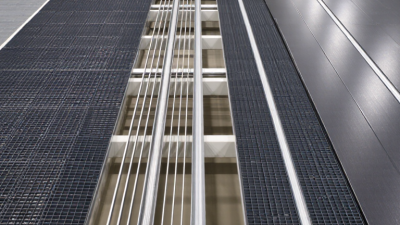
Pultruded fiberglass grating uses continuous fiberglass profiles joined with resin. It usually offers higher strength in one direction and a lighter structure. This design suits long spans, removable covers, ramps, and platforms requiring frequent handling. Its open mesh improves airflow and allows water, mud, and light to pass through. Solid-top versions provide a more stable surface for small tools and wheeled equipment.
Choosing between these types requires more than comparing prices. Check span length, expected loads, support spacing, temperature, and chemical exposure. Field measurements should include panel deflection and the condition of nearby steel supports. A gritted surface may improve safety, yet it can make cleaning harder. I have seen specifications overlook maintenance access. That mistake deserves review before installation.
What Is Fiberglass Grating and What Types Are Available?
Fiberglass grating, also called FRP grating, is a corrosion-resistant structural panel made from glass fibers embedded in a polymer resin. The main types are distinguished by how the load bars are manufactured and how the walking surface is finished.
The chart uses a binary feature scale: 1 means the characteristic is typical of that grating type, while 0 means it is not normally associated with that type. Covered-surface grating can be produced from molded or pultruded FRP grating.
Common Applications and Selection Considerations
Fiberglass grating, also called FRP grating, uses glass fibers embedded in a resin matrix. It provides corrosion resistance, electrical insulation, and a lighter alternative to steel. Common types include molded grating, pultruded grating, covered-surface grating, and stair treads. Each type suits different working conditions.
Molded grating works well around water treatment tanks, chemical processing areas, and drainage channels. Its square openings provide balanced load support and allow liquids to pass quickly.
Pultruded grating uses continuous structural profiles, so it performs better across longer spans and under heavier loads.
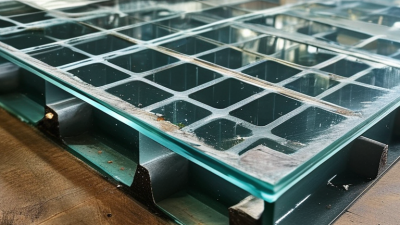
Covered grating adds a solid top layer. It helps prevent small tools, dirt, or footwear from slipping through openings.
Selection should begin with the actual load, span, and support spacing.
A maintenance platform carrying workers needs different specifications from a walkway carrying carts. Check resin compatibility before installation, especially near solvents, acids, or concentrated cleaners. Surface choice also matters. Gritted surfaces improve traction in wet areas, while smooth surfaces are easier to clean but may become slippery. Not every “non-slip” finish performs equally after oil exposure.
Measure twice.
Installation errors can reduce safety. I have seen projects focus on panel price while overlooking clips, cut edges, and support frames. That approach often creates avoidable repairs. Consider ultraviolet exposure, fire requirements, temperature changes, and local codes. A qualified engineer should verify the final load rating and fastening method before use.