In 2026, choosing FRP grating is not simply a matter of comparing panel prices. The right specification depends on how the grating will perform under real conditions: foot traffic, equipment loads, moisture, chemicals, sunlight, and maintenance routines. A panel beside a washdown area may need different resin and surface choices from one installed above a dry service corridor. Small details matter. Even the direction of the load-bearing bars can affect support spacing and installation.
Before publication, add a verified quotation from a named FRP grating specialist here: “[Insert a sourced expert statement about matching grating design to site conditions.]” A genuine expert comment should be traceable to an interview, company publication, or other reliable source. Do not rely on an unattributed quotation; credibility matters.
This guide will help buyers compare molded and pultruded grating, select an appropriate resin system, and check load capacity, panel dimensions, surface finish, and connection details. It will also explain what product documents to request, including load tables and installation guidance. Start with the site, not the catalogue. Measure support spans, note likely spill exposure, and ask who will inspect the panels later. A neat-looking sample can still be wrong for the job. Selection is not always tidy; project assumptions deserve a second look.
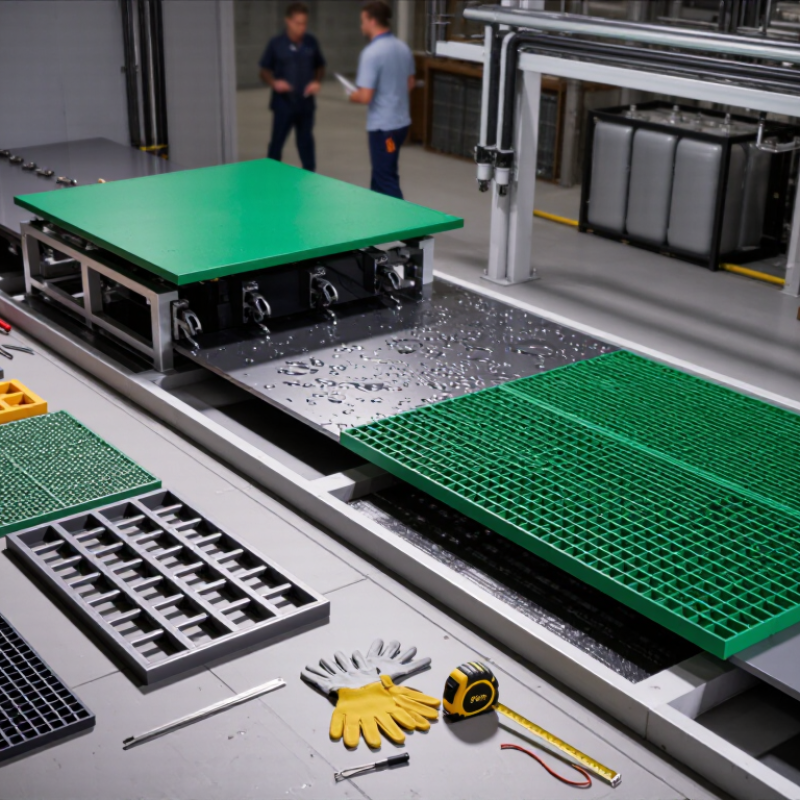
Start with the conditions the grating will actually face. Is it beside a washdown area, exposed to sunlight, or regularly splashed with chemicals? Note temperature changes, moisture, and whether workers need extra slip resistance. A quick site walk can reveal details drawings miss, such as a narrow support ledge or a drain crossing the walkway. Small details matter.
Next, define the loads and how they reach the panel. Foot traffic differs from a loaded cart, a maintenance vehicle, or equipment resting on small feet. Record the heaviest expected load, its contact area, and the distance between supports. Then check the load tables for the specific grating depth, bearing-bar spacing, and span. Don’t rely on a general capacity figure; support spacing can change the result.
Allow for movement and deflection, not just whether a panel might break. Confirm that the proposed panel and support arrangement suit the site conditions, and have a qualified engineer review unusual or concentrated loads. A common planning mistake is comparing surface finishes before measuring the supports. That order deserves a second look. If the load or exposure is uncertain, document the uncertainty and resolve it before ordering.
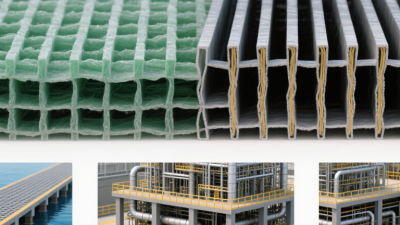
Molded and pultruded FRP grating solve different structural problems. Molded grating is formed as a single panel, with fibers distributed across its surface. That helps it handle loads from more than one direction. It can also suit platforms with irregular cutouts, where workers need to fit around pipes or equipment.
Pultruded grating uses continuous, lengthwise fibers in its load-bearing bars. It is often a strong choice for longer spans or loads acting mainly in one direction. Check the support spacing and load tables carefully. A panel that looks sturdy can still flex between supports. Not a small detail.
A practical comparison starts with the site: chemical exposure, expected foot traffic, span, and surface traction. Molded panels may offer a more uniform walking surface, while pultruded bars can provide greater stiffness along their length. A neat rule of thumb can mislead. Actual support layout may change the better choice. Also inspect cut edges and confirm that the resin and surface finish suit the environment. In a wet area, grit texture matters, but it can wear over time. Factor in inspection and replacement, not just purchase price.
How to Choose FRP Grating in 2026?
Choose the Resin, Surface Profile, and Panel Dimensions
Start with the chemicals, temperature range, and moisture your grating will face. Resin performance varies by formulation, so check the product data against actual operating conditions. Isophthalic polyester may suit many general industrial environments, while vinyl ester is often considered for more demanding chemical exposure. Neither choice is universal. Confirm chemical concentration and temperature with current technical documentation.
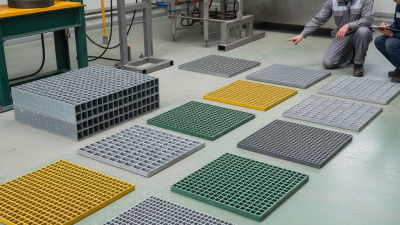
The surface profile affects footing and cleaning. Molded concave surfaces can provide traction without added grit, while grit-top panels may suit areas where extra grip is needed. Think about oily boots, washdown routines, and whether debris could collect in the texture. A sample helps. It is easy to overlook cleaning.
Panel dimensions must match the support layout, not just the walkway width. Measure the clear span, bearing direction, and openings for pipes or equipment. Then check load tables for the specified panel thickness, span, and load type. Cutouts can change how loads travel through a panel. Ask a qualified engineer to review unusual openings or concentrated loads. Before ordering, verify dimensions on site; drawings are sometimes slightly wrong. I would not choose a panel by appearance alone. Verify its rated capacity and confirm that supports and connections match the intended installation.
When choosing FRP grating, start with the hazards around it, not a catalogue label. A wet platform, chemical washdown area, or elevated walkway may need different slip resistance, load capacity, and fire performance. Check that test reports identify the exact grating type, resin system, thickness, and test method. A certificate for one product configuration may not cover another. Confirm that the cited standards apply to your site and intended use, and ask for current, traceable documentation. A tidy certificate folder can still hide a mismatch. Easy to miss.
Service life depends on more than the material name. Sunlight, temperature swings, chemical exposure, standing water, and repeated loading all affect performance. Ask how the product was tested for the conditions it will actually face, and review any limits on chemical concentration or operating temperature. Check installation details too: unsupported spans and poorly secured edges can create problems long before the grating wears out. Keep inspection records and look for cracking, loose fasteners, or surface wear. FRP may resist corrosion well, but it is not maintenance-free. Honestly, service-life estimates are only useful when their assumptions match the site.
| Selection Dimension | What to Check | Practical Evidence or Decision Guide |
|---|---|---|
| Load capacity and span | Design loads, support spacing, panel direction, deflection limits, and the intended use, such as pedestrian access or equipment platforms. | Request load-and-deflection data for the exact grating type, thickness, span, and support arrangement. Confirm that the design addresses applicable project codes and site loads; do not select by panel thickness alone. |
| Applicable safety requirements | Building and workplace requirements for walking-working surfaces, openings, fall protection, and safe access. | Identify the requirements that apply to the project location and use. In the United States, OSHA 29 CFR 1910.22 covers general walking-working surfaces; it is a workplace regulation, not an FRP product certification. |
| Fire-performance evidence | Whether the project specifies surface-burning performance, and whether the tested product matches the proposed grating. | ASTM E84 is a test method for surface-burning characteristics. Review the test report and its stated results, product construction, and limitations against the project specification. The test does not by itself establish overall fire safety or smoke toxicity. |
| Product and quality certifications | Whether a certificate applies to the product, the manufacturing process, or a specific use. | Check the certificate’s scope, issuing body, validity, and covered facility or product. ISO 9001 certifies a quality-management system; it is not, by itself, certification that a particular grating meets a structural or safety requirement. NSF/ANSI/CAN 61 may be relevant where materials contact drinking water. |
| Resin and chemical compatibility | Exposure to chemicals, concentration, temperature, duration, cleaning agents, and outdoor conditions. | Compare the exposure conditions with product-specific chemical-resistance data. Polyester and vinyl ester are common resin options, but suitability depends on the exact formulation and service conditions; request written compatibility confirmation for critical applications. |
| Grating construction and orientation | Whether the panel is molded or pultruded, its bearing direction, opening size, and cut-edge requirements. | Molded grating generally carries loads in more than one direction; pultruded grating is typically strongest along its bearing bars. Follow the product’s span tables and installation instructions, and protect cut edges as specified. |
| Slip resistance and openings | Footwear, moisture, oil or other contaminants, slope, drainage, and the risk of small objects passing through openings. | Specify a surface finish suited to the actual wet or contaminated conditions and request documented slip-test information where required. Check opening dimensions against applicable project and workplace requirements. |
| Service life and maintenance | UV exposure, corrosion, mechanical damage, installation quality, maintenance access, and replacement availability. | There is no single guaranteed service life that applies to all FRP grating. Ask for product-specific warranty terms and exposure limitations, establish inspection intervals, and check for cracking, delamination, loose connections, worn surfaces, and damage at supports. |
| Documentation and traceability | Whether submittals correspond to the exact product being purchased and installed. | Keep the product data sheet, drawings, load tables, relevant test reports, certificates, installation instructions, warranty, and maintenance guidance with the project records. |
Selection note: Verify requirements with the project engineer and the authority having jurisdiction. Standards, codes, and acceptance criteria depend on the application and location.
Choosing FRP grating in 2026 starts with the job site, not the catalog. Measure clear spans, support spacing, panel access, and the route workers will use to carry each section. A 1.2-meter panel may fit the platform but fail to pass through a narrow stairwell. Check load requirements, deflection limits, chemical exposure, and whether covered or open mesh suits the task. Small details matter.
Installation costs depend on more than panel price. Confirm cutout locations, edge treatment, clips, and compatible support framing before ordering. Field cuts can add labor and may require sealed edges, depending on product guidance. Ask for load tables and installation instructions, then compare them with the actual support layout. Don’t assume every panel is interchangeable. A mock-up can reveal awkward fastening access before crews install a full walkway.
Maintenance should shape the purchase too. In wet or dusty areas, inspect for loose clips, surface wear, and debris trapped in the mesh. Request cleaning guidance and service-condition information, and record inspection intervals. Compare total cost across purchase, freight, installation, cleaning, repairs, and replacement—not just the initial price. Estimates are imperfect; labor and downtime are often guessed too neatly. A lifecycle worksheet makes assumptions visible and helps teams compare options on equal terms.