What Is a Wire Mesh Fence and How Is It Used?

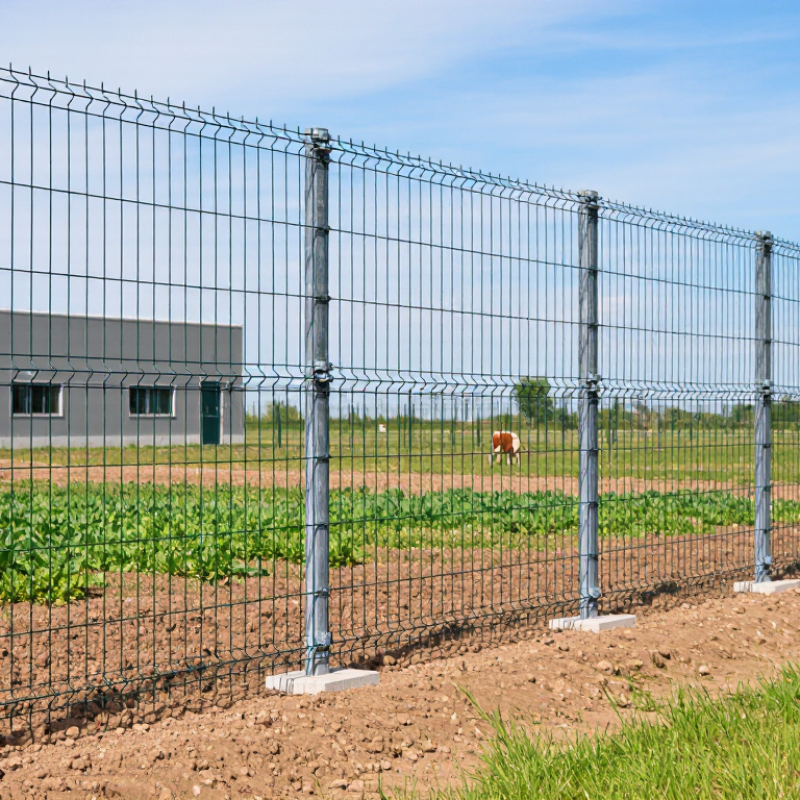
A wire mesh fence is a practical boundary made from interwoven or welded steel wires. Its open grid allows light, air, and visibility to pass through. This design suits gardens, farms, warehouses, sports grounds, and commercial properties.

Industry reports show why demand remains strong. Grand View Research identifies infrastructure development, perimeter security, and agricultural protection as major fencing-market drivers. MarketsandMarkets also connects fencing growth with urban expansion and rising investment in physical security. These reports use different definitions, so their market values are not perfectly comparable. That limitation matters.

Robert Frost, author of The Fence Bible, offers a useful principle: “A fence should fit the property, not simply divide it.” The sentence sounds simple. It is often ignored. Wire diameter, aperture size, coating, post spacing, soil conditions, and expected impact all influence performance. A thin galvanized panel may work beside a vegetable bed. It may fail around livestock or heavy equipment.

In practice, installation determines much of the result. A fence line should follow a measured route, with posts set firmly in stable ground. Welds need inspection. Cut edges require suitable corrosion protection. For coastal sites, PVC-coated or hot-dip galvanized wire may provide better resistance than untreated steel.

This guide explains what a wire mesh fence is, how its construction affects strength, and where different designs perform best. It also examines maintenance, safety, and selection mistakes. Some recommendations remain site-dependent. No single mesh pattern solves every boundary problem.

What Is a Wire Mesh Fence and How Is It Used?

Definition and Basic Structure of a Wire Mesh Fence

A wire mesh fence is a barrier made from connected metal wires. The wires form repeated openings, often square, rectangular, or diamond-shaped. These openings allow airflow and visibility while marking a clear boundary. The mesh may be welded at each joint or woven into a flexible pattern. This difference affects stiffness, installation, and resistance to impact. It sounds simple.

A basic fence system has four main parts: mesh, posts, supports, and fixings. Posts hold the mesh upright and transfer wind or contact loads into the ground. Rails, tension wires, or bracing can reduce movement across longer sections. Clips, ties, bolts, and clamps connect the mesh to its supporting frame.

Galvanized or coated wire can help slow rust, especially in damp outdoor locations. Wire diameter and opening size should match the intended use. A small opening may improve containment, but it can increase weight and cost.

In field work, installers check post spacing, ground firmness, and panel alignment. Uneven soil often requires deeper posts or stepped sections. The fence is not automatically strong. Weak fixings can fail before the mesh does. For gardens, mesh may guide pets or protect plants. For warehouses, farms, and public areas, it can separate people, equipment, and stored materials. The best specification depends on exposure, expected contact, maintenance access, and local requirements. Even a careful choice deserves review after installation.

Common Materials and Manufacturing Methods

What Is a Wire Mesh Fence and How Is It Used?

Common Materials and Manufacturing Methods

A wire mesh fence is made by joining steel or other metal wires into a regular grid. Low-carbon steel is widely used because it balances strength, cost, and workability. The World Steel Association reported approximately 1.89 billion metric tons of crude steel production in 2023. That scale supports a stable supply of fencing wire, posts, and fittings.

Manufacturers usually draw steel wire through dies to reduce its diameter and improve consistency. The wire is then welded or woven into mesh panels or rolls. Welded mesh has fixed intersections and a clean, rigid shape. Woven mesh bends more easily and suits uneven ground. Galvanizing adds a zinc layer that slows rust. The U.S. Geological Survey reported global zinc mine production at about 12.6 million metric tons in 2023, showing the material’s continuing industrial importance. PVC coatings may add color and extra surface protection.

Material selection depends on exposure, impact, and installation conditions. Galvanized steel often performs well around farms, warehouses, and residential boundaries. Stainless steel is better for humid or corrosive locations, but its higher cost can be difficult to justify. Aluminum is light, though it may deform under strong impact. In field installations, small mistakes matter. Poor tensioning can create sagging, while cut edges may become early corrosion points. No coating lasts forever. Periodic inspection remains necessary, even when the fence looks sound.

Types of Wire Mesh Fences and Their Features

A wire mesh fence forms a barrier from connected metal wires. Its open pattern allows air and daylight through while marking a boundary. Choosing the mesh type matters more than many buyers expect. Each design balances visibility, strength, cost, and maintenance differently.

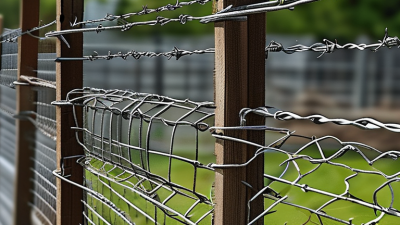
Welded wire mesh has rigid, square openings joined at every intersection. It suits gardens, pet areas, and light commercial boundaries. The clean shape is easy to inspect, but damaged sections can be difficult to repair. Woven wire mesh bends slightly under pressure and works well around uneven ground. Chain-link fencing is a familiar woven option, valued for ventilation and quick installation. Its larger openings improve visibility but may not contain small animals.

Protective coatings also change performance. Galvanized wire resists rust through a zinc layer, while plastic coatings add color and another moisture barrier. Field fencing uses varied opening sizes, often with smaller gaps near the ground. That detail helps manage livestock and reduces escape points.

Use matters too. Homes may prioritize appearance and privacy. Farms often need flexibility and dependable tension. Industrial sites usually require heavier wire and stronger posts. On installation projects, neat posts cannot repair a poor mesh choice. I have seen plans change after measuring a slope. The choice is not always obvious. A stronger fence may block views, while a cheaper one may need earlier repairs. Check wire thickness, opening size, coating quality, and soil conditions before ordering.

What Is a Wire Mesh Fence and How Is It Used?

Wire mesh fences are made from interconnected metal wires and are used for boundary control, animal management, property protection, ventilation, and visibility. The chart compares representative mesh openings commonly found in different fence types.

How to read the chart: Smaller openings generally provide better containment and improved resistance to climbing or intrusion, while larger openings are often suitable for livestock control, agricultural boundaries, and applications where visibility and airflow are important.

How Wire Mesh Fences Are Used in Different Settings

A wire mesh fence uses connected metal wires to create a strong, open barrier. The mesh may be welded or woven, with openings selected for the setting. Its design allows light and air to pass through while marking boundaries clearly. It also makes inspection easier than with solid fencing.

In residential yards, mesh fencing can contain pets and define garden areas without blocking views. Smaller openings help prevent animals from squeezing through. Around farms, heavier mesh can separate livestock, protect crops, and guide movement between fields. Posts must be firmly set because loose soil and animal pressure can weaken the fence.

Commercial sites often use wire mesh to secure storage areas, equipment zones, and service entrances. Taller panels and controlled gates may improve access management, but they do not replace lighting or regular supervision. Sports grounds use mesh behind goals and along sidelines to contain balls. Construction areas may use temporary mesh barriers to separate work zones from walkways.

Material choice matters. Galvanized steel resists moisture, while coated wire can suit locations where appearance is important. Check for rust, bent sections, loose ties, and damaged posts after storms. Small defects grow quickly. A recurring inspection lesson is that the mesh rarely fails alone; poor installation or neglected drainage usually comes first. Wire mesh is useful, but it is not maintenance-free. Local building requirements should guide height, spacing, gates, and placement.

Installation, Maintenance, and Service Life Factors

A wire mesh fence uses woven or welded steel wires to create a durable barrier. Its service life depends heavily on installation quality, not only wire thickness. I have seen well-made mesh fail early when posts were set in loose soil or concrete was poorly drained. Posts should be aligned, firmly anchored, and spaced according to the mesh weight and local wind exposure. The bottom edge needs close ground contact, but it should not sit permanently in wet soil.

Good installation starts with accurate measurements and suitable tension. Over-tightening can distort the mesh and pull posts out of line. Under-tensioning creates loose sections that collect debris and invite damage. Gates require special care because daily movement places extra stress on hinges, frames, and nearby posts. Small errors become visible quickly.

Maintenance is simple, but it cannot be ignored. Inspect the fence after storms, especially around corners and gate posts. Remove leaves, mud, and climbing plants that retain moisture. Touch up damaged protective coatings before rust spreads. Check fasteners for looseness and replace bent mesh rather than forcing it flat. In coastal or highly humid areas, corrosion may shorten service life considerably. In dry inland conditions, the same fence may last much longer, though careless vehicle contact remains a common problem. I once underestimated drainage at one section; the repair was more expensive than the original adjustment. Regular records of repairs can reveal weak points before failure becomes obvious.

What Is a Wire Mesh Fence and How Is It Used? — Installation, Maintenance, and Service Life Factors
Data Dimension Typical Specification or Range Practical Use or Meaning Installation Considerations Maintenance and Service-Life Notes
Basic Definition Interconnected steel wires forming a regular grid of squares or rectangles Provides a visible physical boundary while allowing airflow and light to pass through Panels or rolls are fixed to posts, rails, frames, or tension wires Condition depends mainly on wire coating, site exposure, impact, and drainage
Common Mesh Forms Welded mesh, woven mesh, chain-link mesh, and expanded metal mesh Welded mesh offers rigid panels; woven and chain-link products provide flexibility; expanded metal provides a more continuous barrier Select the form according to required rigidity, appearance, security level, and ground conditions Rigid panels can retain alignment well, while flexible systems may require periodic tension adjustment
Typical Mesh Opening Approximately 12.5 mm to 100 mm Smaller openings improve resistance to passage and reduce the size of objects that can pass through Small openings can require more material and stronger support posts; confirm local safety requirements Inspect small openings for blocked debris, trapped vegetation, and coating damage
Typical Wire Diameter Approximately 2 mm to 6 mm Thicker wire generally improves impact resistance and structural stiffness Heavier wire may require stronger posts, brackets, and foundations Check for bending, broken welds, corrosion pits, and loose connections
Common Fence Height Approximately 0.9 m to 3.0 m for general applications Lower fences suit gardens and boundaries; taller fences are used for perimeter control and restricted areas Confirm planning rules, boundary ownership, access requirements, and wind exposure before installation Tall fences experience greater wind loading and may need more frequent post and foundation inspections
Wire Material Low-carbon steel, galvanized steel, or steel with an organic protective coating Steel provides the primary strength; protective coatings slow corrosion Cut ends, drilled areas, and damaged surfaces should be protected after fabrication or installation Unprotected exposed steel can corrode faster in damp, coastal, industrial, or salt-treated environments
Galvanized Coating Zinc coating applied before or after wire fabrication Creates a sacrificial corrosion barrier and is widely used for outdoor fencing Avoid excessive scraping during transport and installation; repair damaged areas with a compatible zinc-rich coating White corrosion products may appear in persistent moisture; remove deposits and improve drainage where possible
Polymer-Coated Mesh Steel wire covered with a weather-resistant plastic or polymer layer Adds an extra barrier against moisture and can improve appearance and handling safety Prevent cuts, sharp bends, and contact with incompatible chemicals that may damage the coating Inspect for cracking, peeling, ultraviolet degradation, and corrosion beneath damaged coating
Post Spacing Often approximately 1.8 m to 3.0 m, depending on system design Closer spacing generally increases stiffness and resistance to impact or wind Follow the selected system design; use closer spacing for taller, heavier, or more exposed fences Check posts for leaning, settlement, loose fittings, and movement at the foundation
Foundation Method Driven posts, concrete-set posts, surface-mounted bases, or masonry attachments The foundation transfers wind, impact, and tension loads into the ground or supporting structure Remove loose soil, avoid underground utilities, and provide adequate depth and drainage for the site Repair cracks, settlement, standing water, and frost-related movement before they affect alignment
Site Preparation Clear vegetation, identify the boundary, verify levels, and locate underground services Good preparation reduces alignment problems, installation delays, and future maintenance issues Mark post positions and gate openings before digging; account for slopes and surface drainage Keep roots, vines, and accumulated soil from applying continuous pressure to the mesh
Panel or Roll Installation Mesh is aligned, tensioned or positioned, then secured with clips, ties, bolts, or brackets Correct attachment prevents sagging, rattling, sharp projections, and uneven loading Maintain consistent height and tension without overstressing welds, wires, or posts Tighten loose fasteners and replace damaged clips or ties with corrosion-resistant components
Gate Integration Hinged or sliding gates supported by dedicated posts and appropriate hardware Provides controlled pedestrian or vehicle access through the fenced area Gate posts usually require stronger foundations than intermediate posts; allow for swing clearance and drainage Lubricate hinges and latches, check alignment, and inspect areas subject to repeated impact
Drainage Requirement Water should be directed away from posts and prevented from remaining at the fence base Reduced moisture exposure helps limit soil erosion and corrosion at ground level Avoid burying untreated mesh in soil; use suitable gravel, grading, or drainage details where needed Clear leaves, mud, and vegetation that trap moisture against the lower wires and posts
Routine Cleaning Visual inspection and gentle washing with clean water; mild detergent for deposits Removes dirt, salts, bird droppings, and chemicals that can hold moisture against the coating Do not use methods that deform the mesh or strip protective coatings Cleaning frequency should increase in coastal, industrial, dusty, or heavily trafficked locations
Corrosion Inspection Inspect at least annually and after severe storms or physical damage Early detection helps prevent small coating defects from becoming structural corrosion Pay special attention to cut ends, welds, fasteners, ground-level areas, and water traps Remove loose rust, dry the surface, and apply a compatible repair coating; replace severely weakened sections
Mechanical Damage Bent wires, broken welds, displaced panels, damaged posts, or loose fittings Damage can reduce security, create sharp edges, and transfer loads to adjacent sections Repair or isolate damaged areas promptly, especially around gates, driveways, and high-contact zones Replace components when straightening would leave cracks, weakened welds, or unsafe projections
Vegetation Control Keep climbing plants, branches, and dense growth away from the mesh Prevents trapped moisture, abrasion, additional wind loading, and deformation Provide a manageable clearance strip where practical, particularly along the bottom edge Trim vegetation seasonally and remove fallen branches after storms
Typical Service-Life Range Approximately 10 to 30 years for many outdoor systems Actual service life varies widely and should not be treated as a guaranteed period Choose coating level, wire size, post system, and foundations for the local exposure conditions Longer life is more likely with effective drainage, routine inspections, prompt repairs, and low mechanical stress
Factors That Shorten Service Life Salt spray, industrial pollutants, constant dampness, poor drainage, impact, and neglected vegetation These conditions accelerate coating breakdown, corrosion, settlement, or mechanical failure Use enhanced corrosion protection and stronger structural details where exposure is severe Increase inspection frequency and repair minor defects before corrosion spreads
End-of-Life Indicators Perforated wires, widespread coating loss, recurring broken welds, unstable posts, or unsafe sharp edges Indicates that isolated repairs may no longer restore reliable performance Assess whether partial replacement or full system renewal is more practical and safe Recycle steel components where local facilities accept them and dispose of coatings according to local requirements
Typical Applications Residential boundaries, gardens, animal enclosures, sports areas, utility sites, and general security perimeters Suitable where visibility, ventilation, and moderate physical separation are required Application-specific requirements may include smaller openings, increased height, privacy screening, or anti-climb features Match the inspection and repair plan to the level of public access, impact risk, and environmental exposure