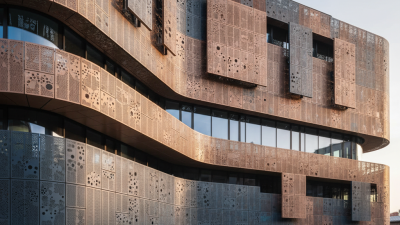
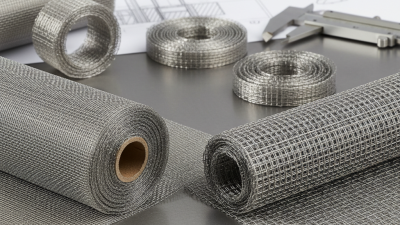
Choosing reliable perforated metal panels manufacturers requires more than comparing attractive catalogs. In practice, architects, contractors, and fabricators examine hole patterns, open area, sheet thickness, edge quality, and coating durability. A panel that looks precise on a screen may behave differently after cutting, bending, or installation.
This guide reviews ten manufacturers serving international markets. The selection considers product range, manufacturing experience, technical support, quality controls, customization, and delivery capability. Attention is given to panels used for façades, ceilings, acoustic screens, ventilation covers, and industrial enclosures. Samples, technical drawings, material certificates, and load information can reveal more than promotional language. Small details matter.
No ranking is perfect.
Manufacturing strengths also vary by region and application. One supplier may excel in aluminum façade panels, while another handles heavy stainless steel or architectural mesh systems more effectively. We have therefore treated this list as a practical comparison, not an absolute verdict. Company information should be checked directly before any purchase, especially for current certifications, production capacity, minimum order quantities, and project references. Some suppliers communicate clearly; others leave important specifications unclear. That is worth questioning.
The goal is to help readers narrow their options with greater confidence. By comparing technical capability and real-world suitability, buyers can avoid choosing solely by price or visual appeal. A dependable manufacturer should support the project from material selection through fabrication, inspection, packaging, and installation guidance. The final decision still depends on climate, budget, design intent, and local engineering requirements.
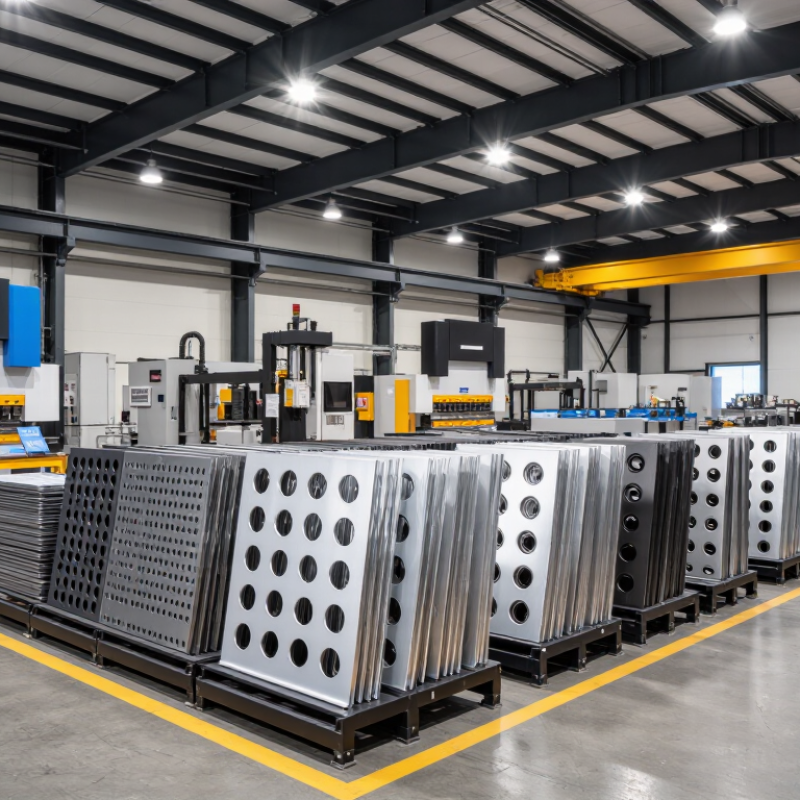
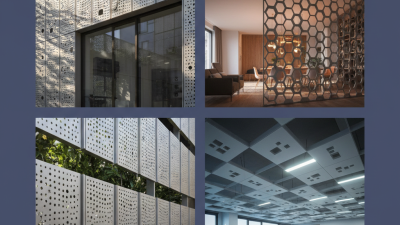
Perforated metal panels are sheets with repeated openings formed across their surfaces. The openings may be round, square, slotted, or custom-shaped. Steel, aluminum, and stainless steel are common material choices. Each option affects weight, corrosion resistance, strength, and finishing requirements. These panels support airflow, daylight control, acoustic treatment, privacy, and decorative screening. They can cover building façades, ceilings, machine guards, and interior partitions.
Hole size and spacing matter greatly. A dense pattern filters light more effectively, while larger openings improve ventilation. However, visual appeal should not replace structural calculations.
A panel may look strong but fail under wind pressure or improper framing.
Manufacturing usually begins with digital drawings that define sheet thickness, opening geometry, spacing, and border dimensions. A CNC punch press creates repeated holes quickly and consistently. Laser cutting suits complex patterns and smaller production runs, although it may leave heat-affected edges. Expanded tooling can also improve production speed for standard designs.
After perforation, workers inspect flatness, burrs, hole accuracy, and edge condition. Deburring protects installers from sharp surfaces. Panels may then receive powder coating, anodizing, or another specified finish. The process sounds simple, but it is not. Small alignment errors can affect joining, appearance, and drainage. In practice, experienced manufacturers check samples before full production. I would also question any design that ignores cleaning access, because dust often collects around dense openings.
Global rankings should begin with evidence, not polished brochures. A reliable manufacturer should show verified production capacity, material traceability, testing records, and consistent delivery performance. The World Steel Association reported 1.892 billion tonnes of crude steel production in 2023. This scale makes supplier selection complex. Buyers should examine alloy grades, sheet thickness, open-area accuracy, hole geometry, and tolerance control. Factory experience matters when panels must perform across façades, ceilings, acoustic systems, or industrial screens.
Technical authority is equally important. Ask for test methods linked to recognized standards, including corrosion resistance, coating adhesion, fire performance, and structural behavior. Environmental data deserves attention too. The International Energy Agency identifies steelmaking as responsible for roughly 7–9% of global energy-related carbon dioxide emissions. Manufacturers providing recycled-content data, environmental product declarations, and measurable energy targets show stronger accountability. Still, documentation can be incomplete. A certificate alone does not prove daily quality.
Tips: Request three recent project references, not only testimonials. Compare sample panels under identical lighting. Measure hole diameter and spacing with calibrated tools. Check whether quoted tolerances match installation needs. Review packaging details, especially corner protection and moisture control. No scorecard is perfect. Weight practical factory visits and independent inspection alongside digital claims. A low price may hide rework, unstable coating quality, or delayed replacement panels. Reliability is proven through repeatable evidence, transparent communication, and corrective action records.
Top 10 Perforated Metal Panel Manufacturers Worldwide
The top ten perforated metal panel manufacturers worldwide are usually judged by production control, material range, and project experience. Strong suppliers work with aluminum, galvanized steel, stainless steel, and weathering steel. They also provide consistent hole patterns, clean edges, and stable panel dimensions. Small details matter.
Experienced manufacturers use CNC punching, laser cutting, and precision forming equipment. These methods support round, square, slotted, and decorative perforations. A reliable factory should explain open-area ratios, sheet thickness, pitch, and tolerance before production. It should also provide samples or drawings for approval. I would inspect a sample panel under direct light. Uneven holes become obvious there.
The leading ten suppliers often serve architecture, ventilation, screening, acoustic control, and industrial protection. Their capabilities may include powder coating, anodizing, galvanizing, and custom framing. Quality records, testing procedures, and traceable material certificates strengthen confidence. Delivery planning matters too, especially when panels have several finishes or unusual dimensions. No ranking is flawless. A large factory may offer impressive capacity but limited design support, while a smaller specialist may respond faster. Buyers should compare verified projects, technical documents, packaging methods, and after-sales communication. That practical review is less exciting, but it prevents expensive corrections.
A credible top-ten list should measure more than factory size. Compare hole patterns, open-area ratios, sheet thickness, tolerances, and finishing options. Leading manufacturers typically supply steel, stainless steel, aluminum, and galvanized sheets. The World Steel Association reported global crude steel production of about 1.89 billion tonnes in 2023. That scale supports broad material availability, but it does not guarantee precision. Real performance depends on tooling, inspection, and application experience.
Global reach also requires practical services. Strong suppliers provide CAD files, prototypes, custom tooling, protective packaging, and regional technical support. Check whether panels suit façades, acoustic screens, machine guards, or filtration systems. According to the U.S. Geological Survey’s 2024 Mineral Commodity Summaries, worldwide aluminum smelter output exceeded 70 million metric tons in 2023. Aluminum can reduce weight, yet its surface treatment and forming behavior need careful review. I would not rank manufacturers by export volume alone. Delivery records, quality certificates, and documented tolerances matter more. Sometimes, smaller facilities respond faster.
Tips: Request a sample panel before ordering. Measure hole diameter, pitch, burrs, and flatness. Ask for test reports, coating specifications, and corrosion data. Confirm whether quoted prices include tooling, freight, and packaging. A low unit price may hide setup costs. Also check local stock and after-sales support. This step is often neglected.
Top 10 Perforated Metal Panels Manufacturers Worldwide?
How to Select the Right Manufacturer for Your Project
Choosing among leading perforated metal panel manufacturers requires more than comparing online rankings. Your project may need precise open areas, clean edges, and consistent panel dimensions. Ask each manufacturer for technical drawings, material specifications, and recent project references. A reliable supplier should explain production limits clearly, not hide them behind attractive photographs.
Request physical samples before approving a large order. Check the hole pattern under natural light. Inspect the panel’s flatness, edge quality, coating consistency, and color variation. Small differences can become obvious across a large façade. Confirm the metal grade, thickness tolerance, finishing method, and expected service environment. Coastal projects may require different protection than interior ceilings.
Production capacity also matters. Ask about tooling, quality inspections, packaging, and replacement procedures. A low quotation can become expensive when panels arrive damaged or installation holes misalign. Communication is a practical test. Do they answer technical questions directly? Do they provide clear schedules? Do they report problems early?
Be careful with certifications. Verify whether documents apply to the exact material and finish you selected. Previous experience is useful, but it is not proof of current performance. Factory visits, independent inspections, and small trial orders can reduce uncertainty. No manufacturer fits every project. Even a strong supplier may struggle with unusual patterns, urgent delivery, or repeated design changes. That uncomfortable possibility deserves attention before signing.
| Rank | Supplier Profile | Primary Manufacturing Region | Common Materials | Typical Sheet Thickness | Perforation Range | Typical Open Area | Maximum Standard Panel Size | Finishing Options | Quality & Compliance Indicators | Best Project Fit | Typical Lead Time |
|---|---|---|---|---|---|---|---|---|---|---|---|
| 1 | Supplier Profile 01 | North America | Carbon steel, aluminum, stainless steel | 0.8–6.0 mm | Round, square, slot; 1–25 mm | 20–70% | 1,500 × 3,000 mm | Powder coating, PVDF, anodizing, mill finish | ISO 9001-based quality control; dimensional inspection | Architectural façades and commercial interiors | 4–8 weeks |
| 2 | Supplier Profile 02 | Western Europe | Aluminum, stainless steel, galvanized steel | 0.7–5.0 mm | Round, hexagonal, decorative patterns | 15–65% | 1,250 × 2,500 mm | Anodizing, powder coating, PVDF, brushed finish | CE-related documentation; EN 10204 material certificates available | Premium façades, ceilings, screens and acoustic features | 5–10 weeks |
| 3 | Supplier Profile 03 | East Asia | Aluminum, mild steel, stainless steel | 0.5–8.0 mm | Round and square; 2–30 mm | 10–75% | 1,500 × 4,000 mm | Powder coating, PVDF, galvanizing, polished finish | Factory inspection plans; ISO 9001 certification commonly available | High-volume façade, ventilation and machinery guarding | 3–7 weeks |
| 4 | Supplier Profile 04 | Northern Europe | Stainless steel, aluminum, weathering steel | 1.0–6.0 mm | Custom patterns; laser-compatible designs | 18–60% | 1,500 × 3,000 mm | Natural metal, brushed, powder coating, protective oil | Traceable material grades; EN and ASTM documentation | Durable exterior cladding and demanding public projects | 6–10 weeks |
| 5 | Supplier Profile 05 | South Asia | Carbon steel, galvanized steel, aluminum | 0.8–10.0 mm | Round, square, slot; 1.5–40 mm | 10–80% | 1,500 × 3,000 mm | Hot-dip galvanizing, powder coating, primer systems | Mill test certificates; welding and coating inspection available | Industrial screens, platforms and cost-sensitive projects | 4–9 weeks |
| 6 | Supplier Profile 06 | Southern Europe | Aluminum, stainless steel, copper alloys | 0.6–5.0 mm | Decorative round, square and oblong patterns | 20–65% | 1,250 × 2,500 mm | Anodizing, powder coating, antique and brushed finishes | Sample approval; color and surface inspection procedures | Retail, hospitality and decorative interior applications | 5–9 weeks |
| 7 | Supplier Profile 07 | Middle East | Aluminum, galvanized steel, stainless steel | 0.8–6.0 mm | Round and square; 2–25 mm | 15–70% | 1,500 × 3,000 mm | UV-resistant powder coating, PVDF, galvanizing | Exterior coating specifications; salt-spray testing by request | Solar shading, façades and hot-climate installations | 4–8 weeks |
| 8 | Supplier Profile 08 | Southeast Asia | Aluminum, mild steel, stainless steel | 0.6–8.0 mm | Round, square, slot and custom tooling | 15–75% | 1,500 × 3,000 mm | Powder coating, anodizing, PVDF and galvanizing | Pre-shipment inspection; packing and export documentation | Large-volume construction and ventilation projects | 4–10 weeks |
| 9 | Supplier Profile 09 | Oceania | Aluminum, stainless steel, galvanized steel | 0.8–6.0 mm | Round, square and architectural patterns | 20–70% | 1,200 × 2,400 mm | Powder coating, anodizing, mill and marine-grade finishes | AS/NZS project documentation; corrosion-resistant material options | Residential façades, balustrades and coastal projects | 5–10 weeks |
| 10 | Supplier Profile 10 | Latin America | Carbon steel, aluminum, stainless steel | 0.8–6.0 mm | Round and square; 2–30 mm | 15–75% | 1,500 × 3,000 mm | Powder coating, galvanizing, primer and natural finish | Material certificates; project-based dimensional and coating checks | Industrial equipment, partitions and general construction | 5–10 weeks |