China Best Metal Stair Treads Supplier?
Choosing the best metal stair treads supplier in China takes more than comparing prices. A tread may look solid in a catalogue, yet its safety and service life depend on material, surface pattern, fabrication, and installation conditions. A useful expert perspective comes from John Templer, author of The Staircase: Studies of Hazards, Falls, and Safer Design. His work underscores a practical point: stair safety depends on the complete stairway, not one component alone.
Look closely at the details. Ask suppliers about steel grade, tread thickness, load testing, finish, and corrosion protection. Request drawings and sample pieces. Check how the nosing feels under a work boot, and whether drainage openings suit the site. Small details matter.
A reliable supplier should explain its specifications clearly and provide consistent documentation. Ask how products are inspected, packed, and protected during shipping. Photos help, but they are not proof of performance. Neither is a low quote. Compare like with like.
There is no perfect supplier for every project. A coastal plant, warehouse, and public building can require different tread designs and finishes. Even an experienced buyer can overlook a detail. That is worth admitting. This guide examines how to assess Chinese manufacturers, verify product claims, and choose metal stair treads that fit real operating conditions—not just a polished brochure.
What Metal Stair Treads Are and Where They Are Used
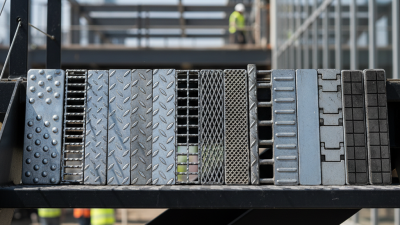
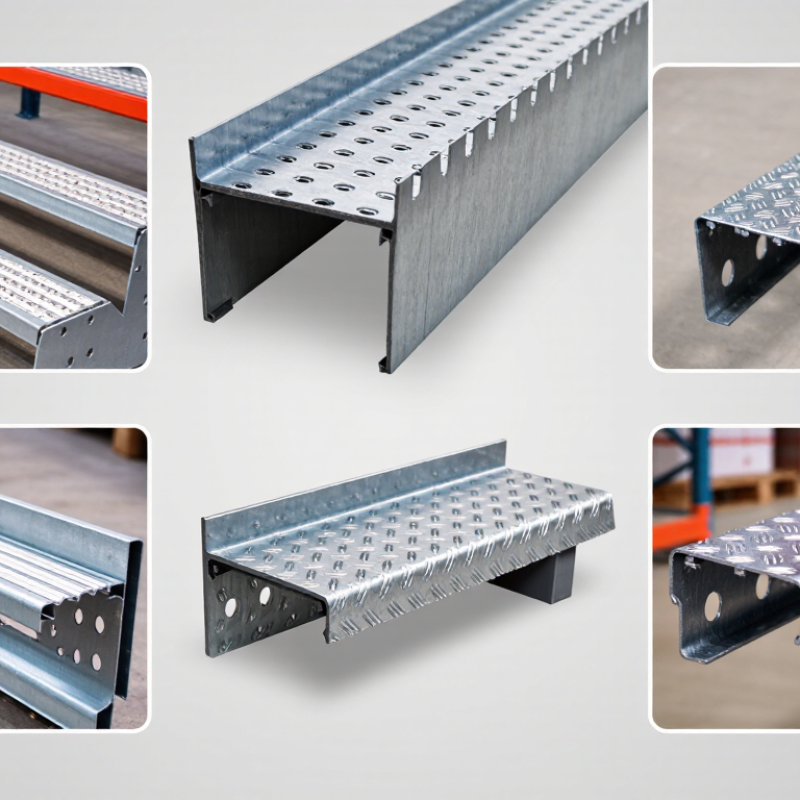
Metal stair treads are the load-bearing surfaces people step on when climbing or descending a staircase. They are commonly made from galvanized steel, stainless steel, or aluminum. Their surfaces may use raised patterns, punched openings, or serrated bar grating. Each design affects grip, drainage, cleaning, and comfort underfoot. Small details matter. On a wet outdoor stair, openings can help water and grit pass through rather than collect on the steps. In a workshop, however, those same openings may catch small tools or debris.
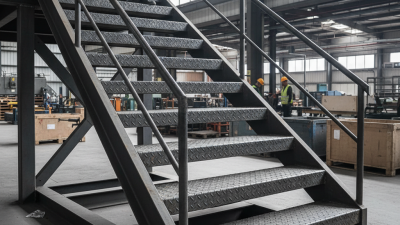
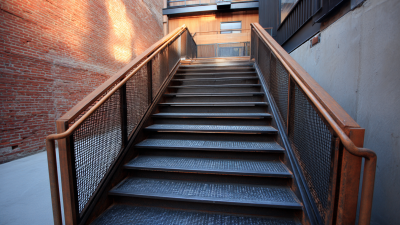
Metal treads are used in factories, warehouses, utility platforms, transit facilities, and outdoor access stairs. They suit busy areas where steps face repeated foot traffic, moisture, or equipment movement. For interior public stairs, a solid plate may be easier to clean and kinder to narrow heels. For a service platform exposed to rain, open grating may drain more effectively. Measure the stair width and depth carefully, and check how the tread will be fastened to its supporting structure. Surface profile also deserves attention; a highly aggressive pattern may improve traction but feel uncomfortable underfoot. No tread fits every site. Even durable metal can become slippery when grease or mud fills its texture, so regular inspection and cleaning still matter.
Common Materials, Finishes, and Tread Designs
Metal stair treads are commonly made from carbon steel, stainless steel, or aluminum. Carbon steel offers strength for busy industrial routes, while stainless steel suits areas exposed to moisture or frequent washing. Aluminum is lighter, though load capacity depends on the tread’s profile and support spacing. The World Steel Association’s World Steel in Figures 2024 reports 1,892.2 million tonnes of global crude steel production in 2023. That scale reflects a mature supply chain, not a guarantee that any individual tread meets project requirements.
Finishes and tread patterns shape everyday performance. Hot-dip galvanizing helps protect steel outdoors; powder coating adds color but may wear at sharp edges. Stainless steel can be supplied with a brushed finish, while aluminum may be anodized. For wet entries, serrated grating can help shed water and debris. Perforated plate drains well, but small openings still collect grit. Solid embossed plate feels continuous underfoot and is easier to wipe. Small details matter. Check opening size, edge treatment, and nosing contrast against the actual footwear and cleaning routine. One tradeoff is easy to miss: aggressive grip can make cleaning slower. The best choice depends on the site, not appearance alone.
How Chinese Suppliers Manufacture Metal Stair Treads
Metal stair treads begin with a drawing that specifies width, depth, thickness, nosing, and fixing points. Chinese suppliers typically review these details before selecting steel or aluminum sheet. The choice depends on expected foot traffic, exposure to moisture, and the supporting structure. A workshop may cut blanks with laser or plasma equipment, then form edges and punch drainage or grip openings. Small details matter. A misplaced hole can slow installation.
Workers assemble the tread using welding or mechanical fasteners, depending on the design. They check dimensions, edge alignment, and surface condition against the approved drawing. A sample run can reveal issues that a drawing misses, such as a slightly raised corner or awkward fit against a landing. Fit is never automatic. Finishing may include galvanizing, painting, or another specified coating. Buyers should confirm coating coverage, especially around cut edges and welds, where protection can be uneven. Not every finish suits every site.
Tips: Send a dimensioned drawing and state the required material, finish, and fixing method. Ask for a sample and inspection records before bulk production. Check one tread against the actual support structure; even a small measurement mismatch may affect installation. In my experience, clear specifications prevent avoidable rework, though site conditions can still surprise everyone.
How to Evaluate a Metal Stair Treads Supplier in China
China Best Metal Stair Treads Supplier?
How to Evaluate a Metal Stair Treads Supplier in China
A supplier’s brochure can look convincing; physical evidence matters more. Request material grade records, tread drawings, and a recent sample with measured thickness. Check whether the nose profile, perforations, and fixing holes match your project drawings. Small mismatches matter. Ask how load capacity is verified, and request the test method and conditions, not just a headline figure. Check anti-slip performance on a dry sample and, where relevant, under wet conditions.
Review production controls through a factory visit or qualified third-party inspection. Look for consistent welds, clean edges, even coatings, and packaging that protects corners during shipment. Ask how the factory tracks batches and handles rejected pieces. A supplier that explains defects plainly is often more useful than one promising perfection. Still, paperwork can be incomplete; compare certificates with the actual material and sample.
Confirm lead times against capacity, tooling, and shipping plans. Get a written specification covering dimensions, tolerances, finish, fasteners, inspection points, and replacement terms. Request a small trial order before committing to a large quantity. Keep one approved sample for comparison. This takes time. Skipping it can leave you with treads that fit poorly or wear differently than expected. Not every project needs the same testing depth, so define acceptance criteria with the engineer responsible for the stairs.