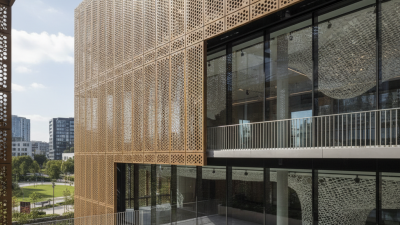
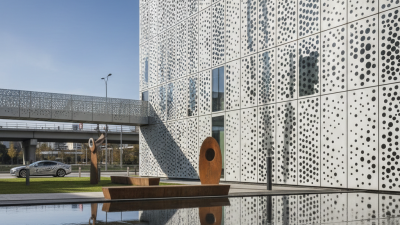
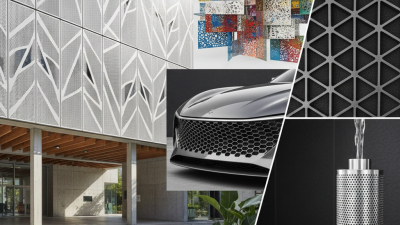
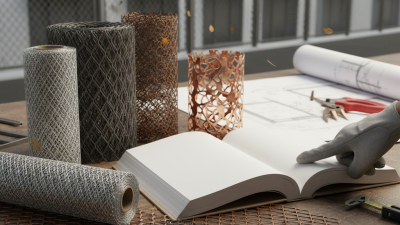
Perforated metal panels offer a blend of design and functionality in modern architecture. These panels, with their unique patterns, can enhance both aesthetic appeal and practicality. They work well for facades, screens, and interiors, providing light diffusion and ventilation.
Using perforated metal panels creatively can bring structure and beauty to any space. Different hole sizes and arrangements can affect how light interacts with the material. This means designs can vary widely, offering endless possibilities. However, achieving the perfect balance between style and function can be challenging.
Reflecting on design choices is crucial. Sometimes, panels may seem too industrial for a warm environment. Finding the right context and surrounding materials is essential. Overall, perforated metal panels can significantly impact a project, but thoughtful consideration is key to their successful application.
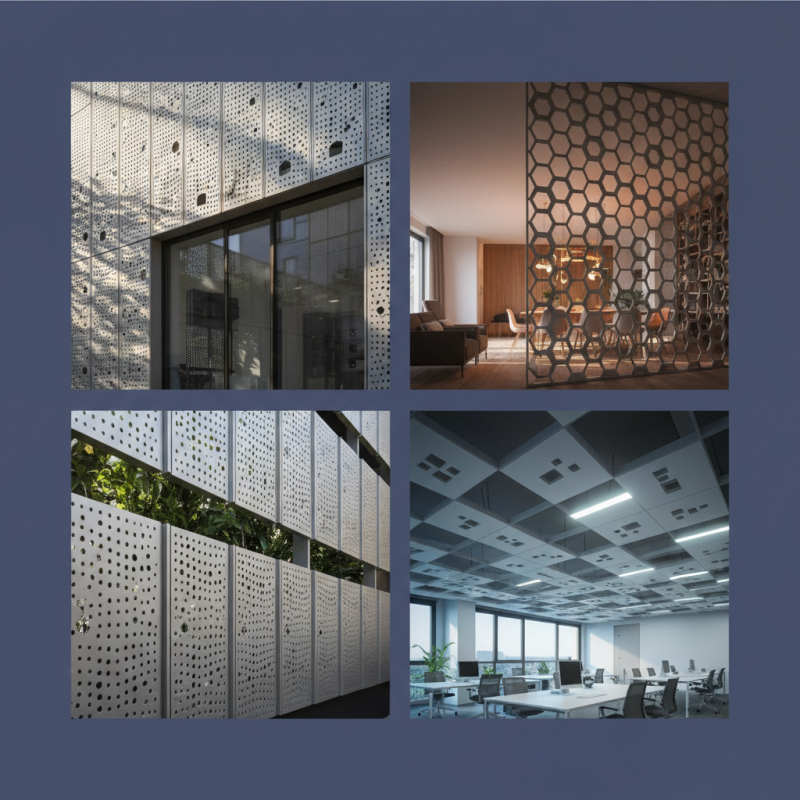
Perforated metal panels serve multiple purposes in design and functionality. They consist of durable materials with holes punched in various patterns. These holes can vary in size and spacing, allowing for creative and practical applications. According to industry reports, the global perforated metal market is projected to reach $3.17 billion by 2026, showing a growing interest in these panels for both aesthetic and structural solutions.
When working with perforated panels, consider how different hole sizes can influence light and air flow. Larger holes promote ventilation, while smaller holes can enhance privacy. Increased customization is becoming a trend, with architects and designers opting for unique patterns to align with specific themes. However, many overlook the importance of selecting the right finish. A poor finish can result in corrosion or wear over time.
Tip: When designing with perforated panels, balance aesthetics with functionality. Keep your project’s primary goals in mind. Simplicity often yields better results. Reflect on how your choice will coexist with surrounding elements. Test different patterns before settling on a final design. Engaging in this preliminary process can save time and costs later.
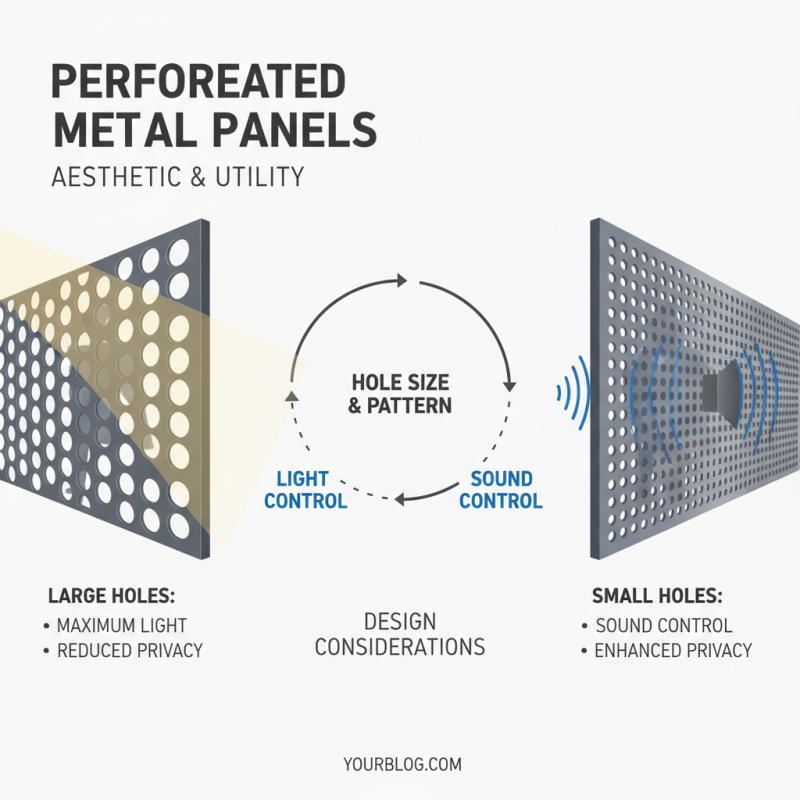
Perforated metal panels offer a unique blend of aesthetic appeal and functional utility. When considering their design, it's important to reflect on the desired level of light and sound control. The size and pattern of the holes can greatly influence these factors. Larger holes allow more light to filter through but may reduce privacy. Smaller holes can obscure views while enhancing acoustic properties.
Another key aspect is the choice of material. Different metals can yield varying durability and visual effects. For instance, aluminum is lightweight and corrosion-resistant, while steel offers strength. Selecting the right finish is crucial, too. A matte finish can create a subtle appearance, while a shiny surface adds a modern touch. However, shiny surfaces might show fingerprints easily, requiring more maintenance.
Consider the installation process as well. Ensuring that the panels are securely attached is vital for safety and longevity. Sometimes, unforeseen challenges arise during installation, such as alignment issues or unexpected obstacles. Engaging with a skilled installer can smooth over potential complications. Balancing aesthetics and practicality might require some trial and error, leading to unexpected yet insightful outcomes.
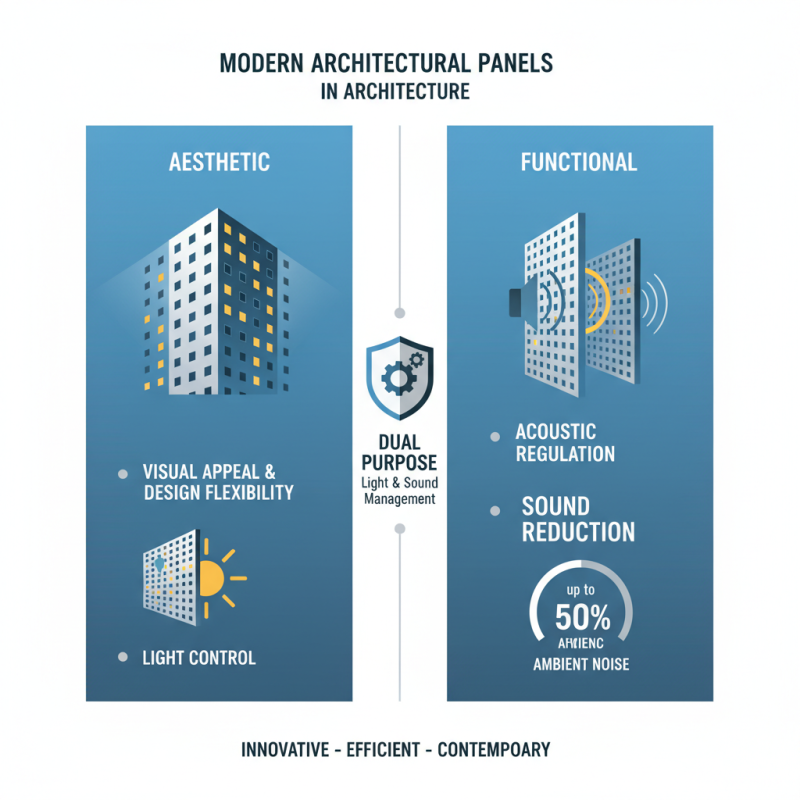
Perforated metal panels are gaining traction in modern architecture. They serve both aesthetic and functional purposes. These panels can control light and sound while offering an intriguing visual appeal. Recent reports show that perforated metal structures can reduce ambient noise levels by up to 50%. This informs designers looking for acoustic solutions.
In facade design, these panels create striking patterns. They can enhance a building's ventilation, improving energy efficiency. Data suggests that buildings with such features can achieve 10-20% lower energy consumption. However, installation requires precision. Poor design may lead to ineffective airflow or inadequate noise control. Designers must balance creativity with functionality.
Moreover, the maintenance of these panels can pose challenges. Dirt and grime can accumulate, potentially diminishing their aesthetic qualities. Regular cleaning is essential to preserve their appearance and functionality. Engaging with these materials offers exciting possibilities but also demands careful consideration. The intersection of design and practicality can be complex, often requiring reflection on design choices.
Perforated metal panels are gaining popularity in modern interior design. Their versatility offers unique aesthetic and functional benefits. They can serve as room dividers or decorative wall treatments. Data shows that 70% of designers find perforated panels enhance the overall ambiance of a space. These panels allow for air circulation and natural light diffusion, creating a comfortable environment.
Integrating these panels requires careful planning. Designers must consider factors like thickness and hole patterns. An ill-suited design can disrupt the flow of a room. It's essential to balance aesthetics with acoustics. Research indicates that using perforated panels can reduce noise levels by 30%. However, if not positioned correctly, they can create unwanted echoes.
Colors and finishes add to their appeal. A polished metal finish can make a space feel sleek, while a matte finish provides warmth. Some designers struggle with the weight of these materials. Finding the right support to not overwhelm lighter spaces can be tricky. Thoughtful integration of perforated panels can transform a room but requires reflective design processes to avoid common pitfalls.
Maintaining perforated metal panels requires careful consideration of the environment. Factors like humidity, salt spray, and extreme temperatures can affect their lifespan. In coastal areas, for instance, corrosion can become a serious issue. Regular inspections can help identify early signs of wear.
Tips: Use a protective coating to enhance durability. Regular cleaning with mild soap prevents dirt accumulation.
Moreover, the choice of finish affects both appearance and maintenance. Some finishes resist corrosion better than others. A matte finish can hide scratches better than glossy ones. In high-traffic areas, scratches may require more attention.
Tips: Opt for textured finishes for added durability. Plan installations away from sources of corrosion.
Lastly, consider potential impacts of the local climate. Panels exposed to harsh weather may require more frequent upkeep. Store spare panels in a dry location. This prevents unnecessary delays during maintenance. Always stay proactive rather than reactive.