Top 10 Uses of Expanded Metal Sheet in Construction and Design

In the ever-evolving landscape of construction and design, innovative materials such as expanded metal sheet are increasingly recognized for their versatility and functionality. According to a report by Smithers Pira, the demand for expanded metal products is projected to grow at a CAGR of 5.2% through 2025, highlighting the expanding role of this material across various industries. From enhancing structural integrity to providing aesthetic appeal, expanded metal sheets offer a myriad of applications that cater to the needs of modern architecture.

Industry expert James Hargrove emphasizes the transformative impact of expanded metal sheets in his field: "The integration of expanded metal in construction not only strengthens designs but also optimizes material usage, allowing for more sustainable building practices." His insights underline how this material can effectively bridge the gap between functionality and eco-friendliness, making it a preferred choice for architects and builders alike. This article will explore the top ten uses of expanded metal sheet, shedding light on its significance in contemporary construction and design projects.
Top 10 Uses of Expanded Metal Sheet in Construction and Design

Expanded Metal Sheet: An Overview of Its Characteristics and Benefits

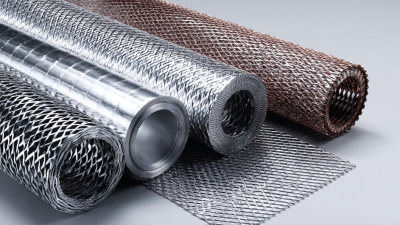
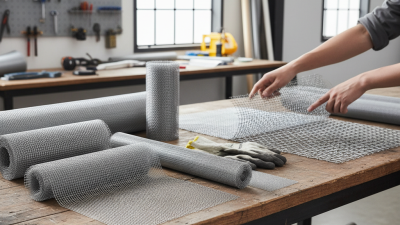
Expanded metal sheet is a versatile material widely utilized in construction and design, valued for its unique characteristics and numerous benefits. Made from a single sheet of metal that is cut and stretched into a mesh-like structure, expanded metal offers both lightweight and robust properties. This process not only enhances its strength but also allows for efficient air, light, and fluid flow, making it an ideal choice for various applications. Its open pattern provides excellent drainage and ventilation, making it suitable for use in industrial settings as well as aesthetic architectural elements.

In addition to its physical properties, expanded metal sheet is also renowned for its durability and resistance to corrosion, particularly when treated with protective coatings. This resilience ensures longevity in various environments, from outdoor facades to indoor installations. Furthermore, its ability to be easily cut, shaped, and finished allows designers to explore creative uses, from decorative fencing to unique interior design elements. The cost-effectiveness of expanded metal also appeals to contractors and architects, as it offers an efficient solution for both functional and aesthetic needs without significant investment.
Structural Applications of Expanded Metal in Building Frameworks and Support

Expanded metal sheets have become a cornerstone in modern construction, particularly in building frameworks and support systems. Their unique design, which features a series of diamond-shaped openings, provides excellent structural integrity while remaining lightweight. This combination of strength and reduced weight makes expanded metal an ideal choice for various applications, such as flooring, wall partitions, and safety barriers. In terms of structural support, expanded metal is often utilized to reinforce concrete or to create durable, load-bearing frames that enhance the overall durability and stability of buildings.

When considering the use of expanded metal sheets in your next construction project, it’s essential to keep a few tips in mind. First, evaluate the load requirements of your structure to determine the appropriate thickness and type of expanded metal for your needs. Additionally, consider the environmental factors that the material will be exposed to, such as moisture and temperature variations, to ensure longevity and performance. Lastly, ensure proper installation techniques are followed to maximize the benefits of the expanded metal in your framework.

The versatility of expanded metal extends beyond mere structural applications. It can serve decorative purposes as well, allowing architects and designers to incorporate creative elements into their projects. Whether used as a façade or as part of a custom rail system, expanded metal can enhance aesthetic appeal while maintaining functionality. As you explore design possibilities, think about the interplay between form and function that expanded metal offers, paving the way for innovative and robust architectural solutions.

Top 10 Uses of Expanded Metal Sheet in Construction and Design

Use of Expanded Metal for Architectural Aesthetics and Facades

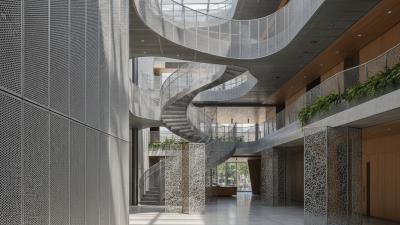
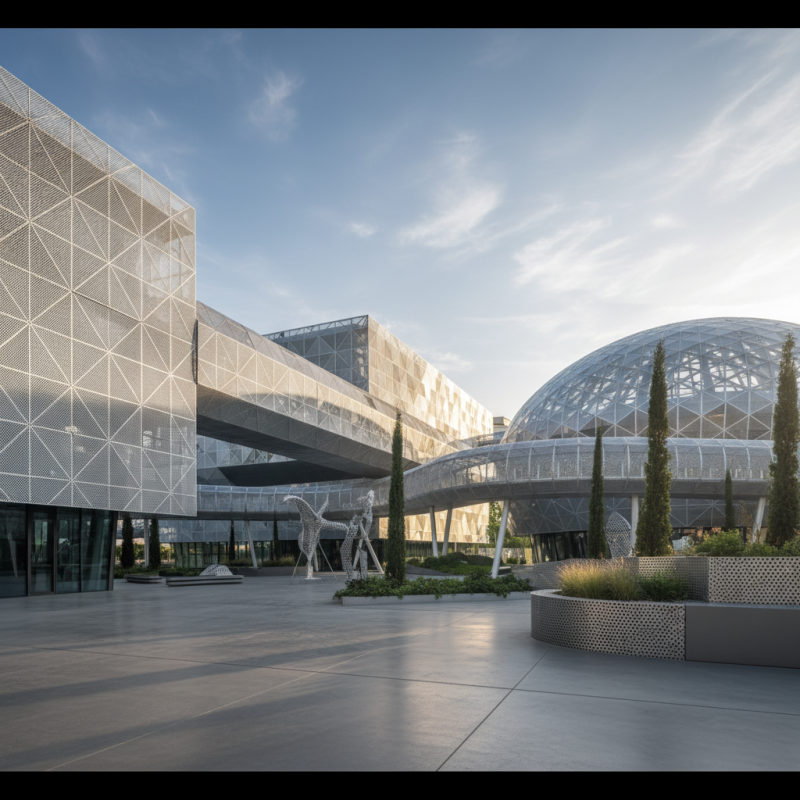
Expanded metal sheets have gained significant popularity in architectural design due to their unique ability to combine functionality with aesthetic appeal. According to a report by Research and Markets, the global demand for expanded metal is projected to grow at a CAGR of 4.8% from 2021 to 2026, reflecting its increasing use in construction and design. Architects and designers are leveraging expanded metal not only for structural purposes but also to create visually striking façades that enhance the overall aesthetic of buildings. The intricate patterns created by expanded metal bring depth and texture, allowing for innovative designs that can transform ordinary surfaces into captivating architectural features.

The versatility of expanded metal also extends to sustainability, as it can be produced from recycled materials, significantly reducing the environmental impact associated with construction. The perforations in the expanded metal sheets provide excellent ventilation and natural light penetration, contributing to energy efficiency in building design. A study from the American Institute of Steel Construction notes that incorporating expanded metal in facades can reduce heating and cooling costs by up to 15%, thus providing both economic and environmental benefits. By integrating expanded metal into architectural aesthetics, designers are redefining modern construction, making it possible to achieve both beauty and performance in their projects.

Top 10 Uses of Expanded Metal Sheet in Construction and Design

Use Case Description Benefits
Architectural Facades Used in building exteriors for aesthetic appeal and ventilation. Enhances visual appeal, allows natural light and airflow.
Safety Barriers Installed as protective barriers on staircases and balconies. Provides security while maintaining visibility.
Ceiling Tiles Used in acoustic panels and for aesthetic ceiling designs. Improves sound insulation and offers unique designs.
Walkways and Flooring Provides a slip-resistant surface for outdoor and industrial use. Enhances safety and durability.
Railing Systems Used in railings for stairs and balconies. Combines safety with design flexibility.
Exteriors of Buildings Applied as a decorative element on building skins. Offers artistic possibilities while providing structural benefits.
Fencing Utilized as a fencing material for industrial and commercial properties. Durable and provides security without sacrificing visibility.
Furniture Design Incorporated into modern furniture pieces for a contemporary look. Adds a unique and stylish touch to interiors.
Shading Devices Used to create sun-shading systems on building facades. Reduces heat gain while allowing natural light.
Decorative Features Applied as creative screens or panels in various designs. Versatile for artistic expression in architecture.

Expanded Metal Sheets in Safety Features and Guardrails

Top 10 Uses of Expanded Metal Sheet in Construction and Design

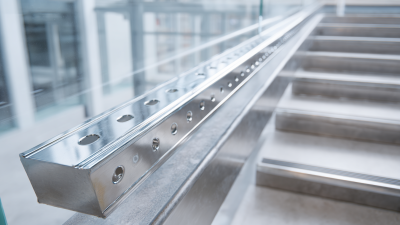
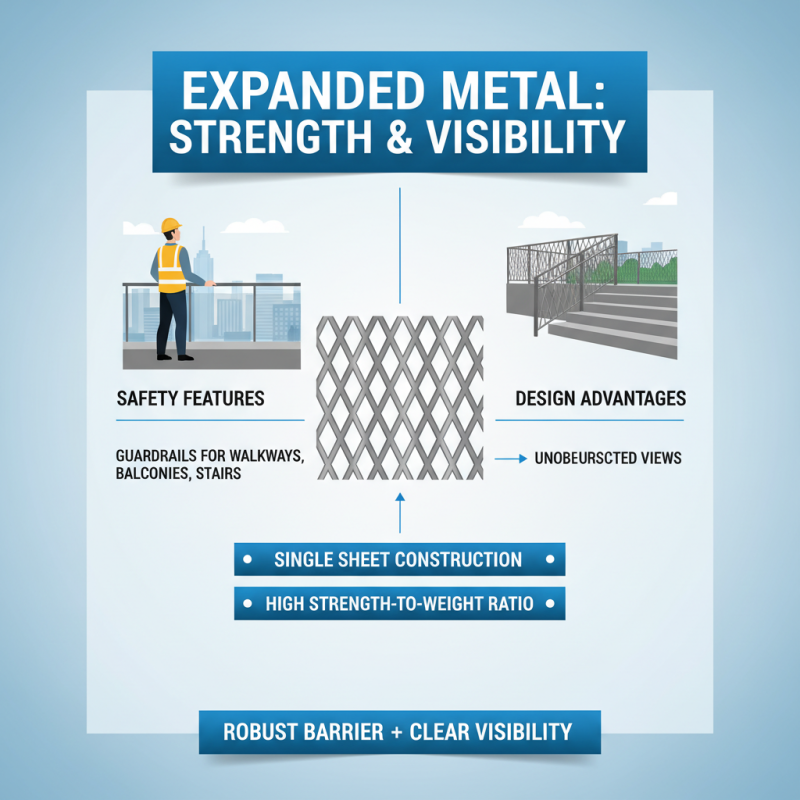
Expanded metal sheets play a crucial role in enhancing safety features and guardrails within construction and design. Their unique structure, which consists of a series of interlinked diamonds or other patterns formed from a single sheet of metal, allows for strength without adding unnecessary weight. This makes expanded metal an ideal material for building guardrails along walkways, balconies, and stairs, where both structural integrity and visibility are paramount. The open design of expanded metal sheets not only provides a robust barrier but also enables visibility through the guardrails, ensuring safety without obstructing views.

In addition to guardrails, expanded metal sheets are effectively used in various safety applications, such as in the design of safety fencing and protective barriers. Their durability and resistance to impacts make them a preferred choice in high-risk environments like industrial facilities and construction sites. These sheets can be customized to suit specific safety needs, such as preventing unauthorized access or ensuring the safety of workers operating near hazardous areas. The versatility of expanded metal in safety applications helps to create secure yet accessible environments in both residential and commercial projects.

Innovative Uses of Expanded Metal in Sustainable Construction Practices

Expanded metal sheets are gaining traction in sustainable construction practices due to their versatility and eco-friendliness. These materials, made from a single sheet of metal that is slit and stretched, create an open mesh that is lightweight yet strong. Studies indicate that using expanded metal in construction can reduce material waste by up to 20%, as it requires less energy to produce compared to solid metal structures. Moreover, its ability to allow airflow and natural light makes it an excellent choice for green building designs, promoting energy efficiency and reducing reliance on artificial lighting.

Incorporating expanded metal into architectural elements not only enhances aesthetics but also contributes to sustainability. For instance, during renovations or new builds, using expanded metal can support green roofs and living walls, which help with insulation, reduce urban heat, and promote biodiversity. Furthermore, research has shown that buildings utilizing such materials can achieve up to 30% lower energy consumption over their lifecycle, underlining the financial and environmental benefits of this innovative application.

Tips for using expanded metal in sustainable construction include assessing the appropriate gauge and size based on structural requirements and environmental impact. Additionally, consider powder coating or galvanizing the metal to enhance durability while further minimizing maintenance needs. Keeping a focus on local suppliers can also reduce transportation emissions, contributing to a more sustainable approach in construction practices. By thoughtfully incorporating expanded metal, designers and builders can elevate both the functionality and sustainability of their projects.