2025 Top Uses and Benefits of Expanded Metal Sheet in Construction and Design
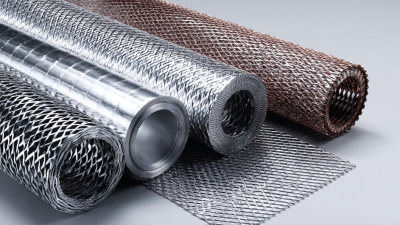
The construction and design industries have seen significant advancements in material technology, and one of the most innovative materials gaining traction is the expanded metal sheet. A versatile solution, expanded metal sheets are increasingly recognized for their unique properties and numerous applications. According to a report by Grand View Research, the global expanded metal market size was valued at USD 765.3 million in 2020 and is projected to grow steadily, reflecting a rising demand for lightweight yet durable construction materials in various sectors.
The benefits of expanded metal sheets are manifest in their ability to enhance structural integrity while reducing weight, making them an ideal choice for both architectural designs and functional applications. These sheets are not only cost-effective but also offer superior strength-to-weight ratios, which are crucial in optimizing modern construction techniques. Moreover, their exceptional airflow and filtration properties make them a preferred option in safety and security applications, corroborated by insights from MarketsandMarkets, predicting a compound annual growth rate (CAGR) of 4.1% in the expanded metal usage in the industrial sector through 2025.
As the industry continues to innovate, expanded metal sheets are positioned to become a staple solution in contemporary construction and design. Their adaptability allows architects and engineers to explore new realms of creativity while adhering to stringent safety and sustainability standards. This introduction sets the stage for a deeper exploration of the top uses and benefits of expanded metal sheets in 2025, underscoring their impact on the future of building design and infrastructure.
Applications of Expanded Metal Sheets in Modern Construction Projects
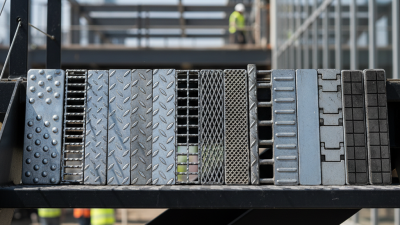
Expanded metal sheets have become increasingly popular in modern construction due to their versatility and strength. According to a report by the Freedonia Group, the demand for expanded metal products is projected to increase at an annual growth rate of 5.6% through 2025, driven by their applications in various sectors, including construction. These sheets are commonly used in architectural facades, walkways, safety barriers, and ceiling systems, where both aesthetic appeal and functional properties are essential.
One of the key applications of expanded metal sheets in construction projects is their use in composite flooring systems, where they provide excellent grip and support. The structural integrity of expanded metal allows for the reduction of material weight while maintaining strength, thereby enhancing energy efficiency in buildings. A study from Smithers Pira indicates that expanded metals can contribute to reducing the overall material cost by up to 15% compared to traditional solid metal forms, making them an attractive option for budget-conscious projects. Furthermore, their lightweight design simplifies installation processes, shortening construction timelines and reducing labor costs.
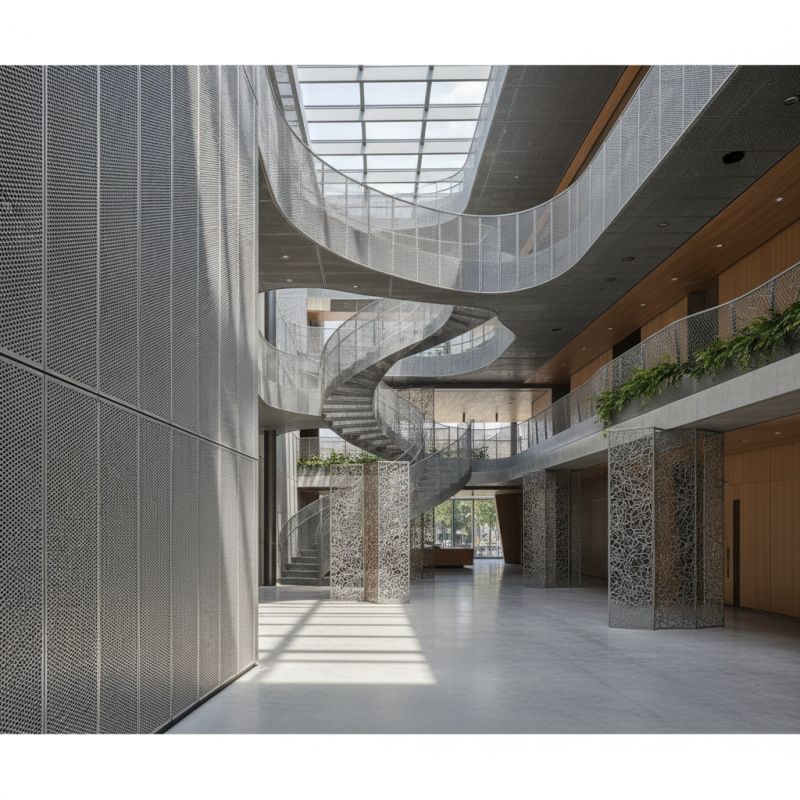
In addition to their structural benefits, expanded metal sheets also play a role in enhancing building aesthetics. Architects and designers employ these sheets to create unique patterns and decorative features that add character to modern structures. The flexibility in design also allows for integration with sustainable practices, as expanded metals can be recycled and repurposed, contributing to green building certifications like LEED. As the construction industry continues to evolve, the use of expanded metal sheets is likely to expand, further establishing their role as a staple material in innovative design and construction methodologies.
Advantages of Using Expanded Metal Sheets in Design and Architecture
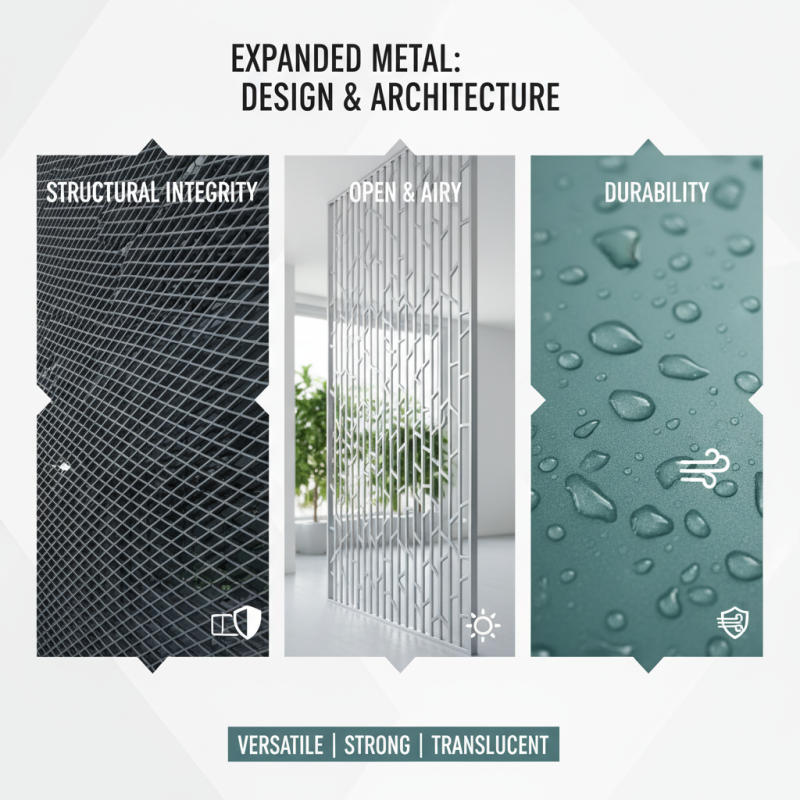
Expanded metal sheets have emerged as a versatile and innovative material in design and architecture, offering numerous advantages that enhance both aesthetic appeal and functional performance. One of the primary benefits of using expanded metal sheets is their unique ability to blend structural integrity with an open, airy look. This makes them ideal for a variety of applications, from facades to interior partitions, where a sense of space and light is desired. Furthermore, the material’s inherent strength allows it to withstand various environmental pressures, making it a reliable choice for construction projects that demand durability.
Another key advantage of expanded metal sheets is their customization potential, enabling architects and designers to experiment with different patterns and finishes. This adaptability allows for creative expression, ensuring that each installation can be tailored to complement the overall design theme of a space. Additionally, expanded metal sheets are lightweight yet robust, which aids in reducing the overall load on structures while maintaining safety and stability. Their permeability can also contribute to energy efficiency, as these sheets facilitate airflow and natural lighting, reducing the need for artificial lighting and ventilation systems. This combination of beauty, strength, and sustainability positions expanded metal sheets as a preferred material in modern architectural practices.
Comparison of Expanded Metal Sheet with Traditional Materials
Expanded metal sheets are increasingly being recognized for their advantages over traditional materials in construction and design applications. One of the key benefits of expanded metal is its unique structure, which offers superior strength-to-weight ratios compared to conventional materials such as solid metal sheets or even wood. This inherent strength allows for lighter designs without compromising structural integrity, making it an ideal choice for modern architectural aesthetics that favor open and airy spaces.
Furthermore, expanded metal sheets provide excellent airflow and drainage properties, which are not often found in traditional materials. This feature is particularly beneficial in applications such as facades or fencing, where both functionality and visual appeal are paramount. While traditional materials can be restrictive in terms of design flexibility, expanded metal can be easily manipulated into various shapes and sizes, offering designers a versatile option to achieve intricate patterns and textures. As a result, the comparison clearly shows that expanded metal sheets offer distinct advantages, pushing the boundaries of creativity in construction while meeting functional requirements.
Sustainability and Eco-Friendliness of Expanded Metal Sheets in Construction
Expanded metal sheets are increasingly recognized for their sustainability and eco-friendliness in construction. These sheets, made from various metals, provide significant structural advantages while minimizing material waste. According to a report by the World Resources Institute, the production of expanded metal uses up to 30% less raw material compared to traditional solid sheets, leading to reduced environmental impact during manufacturing. Additionally, the versatility of expanded metal allows for efficient use in various applications, from facades to interior design, promoting energy conservation by enhancing natural ventilation and light penetration.
Moreover, the durability of expanded metal plays a crucial role in its sustainable appeal. Research from the U.S. Green Building Council indicates that materials with longer lifespans, such as expanded metals, contribute to lower lifecycle carbon footprints. This longevity means fewer replacements, which not only cuts down on waste but also reduces the energy and resources involved in manufacturing new materials. Furthermore, many types of expanded metal can be recycled at the end of their life cycle, further exemplifying their eco-friendly characteristics. Given these factors, expanded metal sheets present a compelling option for architects and builders who prioritize sustainability in their projects.
2025 Top Uses and Benefits of Expanded Metal Sheet in Construction and Design - Sustainability and Eco-Friendliness of Expanded Metal Sheets in Construction
| Use Case |
Benefits |
Sustainability Aspect |
Recycling Potential |
| Facade Design |
Aesthetic appeal and enhanced ventilation |
Lightweight and enables natural lighting |
Can be recycled multiple times without quality loss |
| Walkways and Grilles |
Durable and slip-resistant surfaces |
Uses minimal material while providing strength |
Recyclable at end of life |
| Fencing and Security |
Provides visibility and security |
Long lifespan reduces material turnover |
Made from recycled steel in many cases |
| Reinforcement in Concrete |
Improved structural integrity |
Sustainable construction practices utilized |
Can be repurposed after demolition |
| Architectural Features |
Unique designs and patterns |
Contributes to energy efficiency in buildings |
Easily recyclable materials |
Future Trends in Expanded Metal Sheet Usage in Construction and Design
As the construction and design industries evolve, the future trends in the use of expanded metal sheets are becoming increasingly pronounced. One key trend is the growing emphasis on sustainability. Expanded metal sheets are often made from recycled materials and are fully recyclable themselves, making them an eco-friendly option for architects and builders looking to minimize their environmental impact. In addition, their lightweight and durable nature reduces the need for excess material, further lowering the carbon footprint associated with construction projects.
Another notable trend is the integration of advanced manufacturing technologies, such as 3D printing and CNC machining, which allow for the creation of customized expanded metal sheets. This adaptability opens new avenues for artistic expression in architectural design, enabling designers to tailor materials to specific aesthetic and structural requirements. Moreover, as smart construction methods gain traction, expanded metal sheets can be combined with smart technologies for performance monitoring and enhancing safety in buildings, paving the way for more innovative applications in the construction field.