Top Stainless Steel Wire Mesh Suppliers Worldwide

Choosing reliable stainless steel wire mesh suppliers worldwide requires more than comparing prices or polished websites. Buyers need evidence of manufacturing capability, material quality, and consistent delivery. This guide examines suppliers through practical purchasing criteria, including wire grade, mesh count, wire diameter, weaving method, surface finish, and order customization. Common materials include 304 and 316 stainless steel, yet the correct choice depends on exposure, temperature, load, and cleaning conditions. Details matter.

Experienced suppliers should provide clear product drawings, tolerances, sample approvals, and traceable material certificates. Independent testing can also confirm tensile strength, corrosion resistance, and dimensional accuracy. Standards such as ASTM, ISO, or EN may support evaluation, but certification alone does not guarantee every shipment will perform well. Evidence matters more. A warehouse inspection, production sample, or documented quality report often reveals more than a sales claim.

This overview compares international suppliers by product range, technical support, manufacturing experience, export reliability, and communication quality. It also considers whether suppliers can produce tightly woven filtration mesh, durable welded panels, or fine screens for industrial processing. However, no ranking remains perfect forever. Capacity, lead times, ownership, and certifications can change without much notice. Some public information may also be incomplete or outdated. Buyers should verify current specifications directly before placing an order, especially for demanding applications. The strongest supplier is not always the largest one. It is the partner that offers suitable mesh, consistent quality, transparent documentation, and realistic delivery commitments.
Top Stainless Steel Wire Mesh Suppliers Worldwide

What Is Stainless Steel Wire Mesh?

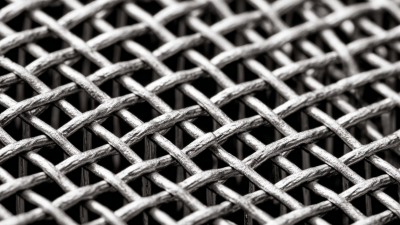
Stainless steel wire mesh is a grid made from corrosion-resistant metal wires. It is produced through weaving, welding, or crimping. Each opening controls airflow, filtration, visibility, or particle separation. The mesh is not simply a screen. Wire diameter, aperture size, weave pattern, and alloy grade determine its performance. ISO 9044:2016 classifies industrial woven wire cloth by mesh count, wire diameter, and opening size. In practical inspection, measuring only the opening can be misleading.

Market scale provides useful context. World Stainless reported approximately 55.3 million tonnes of global stainless crude steel production in 2022. This figure does not represent mesh sales. It does show the extensive material base supporting industrial mesh production. The USGS Mineral Commodity Summaries 2024 also reported roughly 41 million tonnes of global chromite mine output in 2023. Chromium content helps stainless steel resist oxidation, but resistance varies with alloy chemistry and operating conditions.

Common applications include screening powder, guarding machinery, supporting filters, and separating particles. Grade 304 suits many indoor and general industrial environments. Grade 316 is often selected near saltwater or chlorides. However, “316” alone does not guarantee long service life. Welding quality, surface contamination, tension, and cleaning practices matter. A reliable supplier should provide mill certificates, mesh measurements, wire diameter records, and traceability. ASTM A580/A580M also provides requirements for stainless steel wire. Specifications still need review. Real conditions can expose assumptions that looked correct on paper.

How to Evaluate Global Wire Mesh Suppliers

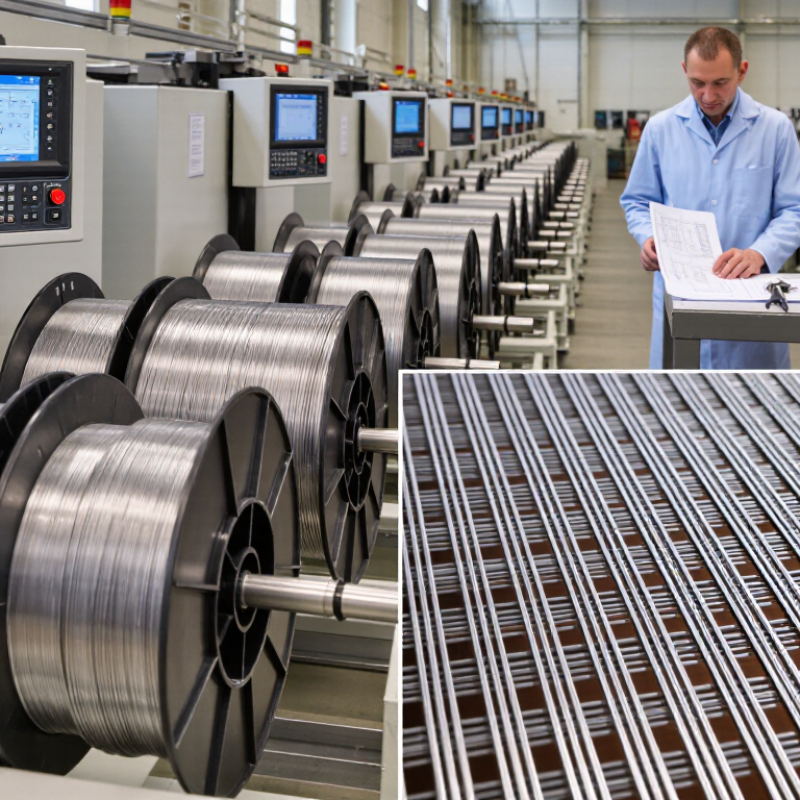
When comparing stainless steel wire mesh suppliers worldwide, evaluate production evidence rather than polished promises. Ask for material grade records, wire diameter tolerances, mesh-count reports, and recent inspection data. Websites prove little. Experienced suppliers should explain how weaving tension, heat treatment, and storage affect final performance. Request samples cut from normal production, not specially prepared pieces. That distinction matters.

Reliability appears in repeatability. Order a small trial and compare aperture size, surface finish, flatness, and edge quality against the approved sample. For critical applications, ask whether the supplier uses calibrated measuring tools and keeps batch traceability. Independent testing can confirm corrosion resistance or mechanical properties, but test methods must match your application. Do not accept certificates without checking laboratory details and report dates.

Communication also reveals expertise. A dependable team answers technical questions clearly, identifies limits, and reports defects without hiding them. Review lead times, packaging, export experience, payment terms, and contingency plans before signing. When practical, visit the facility or arrange a live video inspection of weaving and packing areas. In practice, low prices can become expensive after uneven rolls cause installation delays. Even careful reviews can miss hidden weaknesses, so keep performance records and question results that seem unusually perfect.

Top Stainless Steel Wire Mesh Suppliers Worldwide – How to Evaluate Global Wire Mesh Suppliers

This reference chart compares nominal mesh counts with calculated clear apertures for commonly specified stainless steel woven wire mesh configurations. The aperture is calculated as: clear aperture = 25.4 ÷ mesh count − wire diameter. When evaluating global suppliers, verify mesh count, wire diameter, material grade, aperture tolerance, and inspection documentation against recognized specifications such as ISO 9044 and ASTM E2016.

Leading Stainless Steel Wire Mesh Suppliers Worldwide

Leading stainless steel wire mesh suppliers worldwide are defined by more than production volume. They combine material knowledge, stable manufacturing, and responsive technical support. Experienced suppliers can explain how wire diameter, mesh count, weave pattern, and alloy selection affect performance. That advice matters when mesh faces heat, moisture, abrasion, or chemical exposure.

Reliable suppliers provide traceable mill certificates and consistent inspection records. They should confirm tensile strength, aperture size, surface condition, and roll dimensions before shipment. Some facilities use calibrated optical systems to measure openings across the mesh. Others rely heavily on manual checks. This difference can affect repeat orders. Ask for recent test samples.

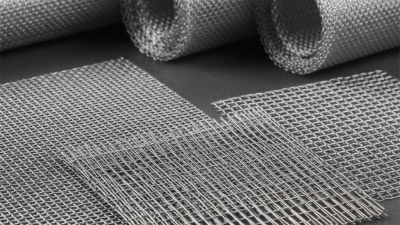
A dependable supplier also manages practical details. Protective packaging should prevent bent edges and surface scratches during long-distance transport. Clear drawings reduce mistakes between engineering teams and production staff. Suppliers serving filtration, food processing, mining, and architectural projects often maintain several weaving capabilities. Plain weave suits fine filtration, while twill weave can support heavier wire and tighter openings. Welded mesh offers different advantages.

Not every supplier fits every project. That is easy to overlook. A low quotation may exclude testing, edge finishing, or export packaging. I have seen specifications look complete, yet omit tolerance requirements. A careful purchasing team checks these details before approving production. Communication remains a quality signal. Prompt, specific answers usually reveal stronger process control. Their claims should still be verified.

Top Stainless Steel Wire Mesh Suppliers Worldwide - Leading Stainless Steel Wire Mesh Suppliers Worldwide

Product Category Common Stainless Steel Grades Typical Mesh Range Typical Wire Diameter Standard Weave or Construction Common International Standards Typical Applications Available Supply Formats
General-purpose woven wire mesh 304304L Approximately 1 to 100 mesh Approximately 0.10 to 1.00 mm Plain weave; square openings ASTM E2016; ISO 9044; ASTM A580/A580M Screening, filtration, guards, architectural panels, and equipment protection Rolls, cut sheets, discs, and custom fabricated panels
Corrosion-resistant woven mesh 316316L Approximately 1 to 200 mesh Approximately 0.05 to 1.20 mm Plain weave, twill weave, or Dutch weave ASTM E2016; ISO 9044; EN 10270-3 Marine equipment, chemical processing, pharmaceutical production, and food processing Rolls, sheets, filter discs, cylinders, and welded assemblies
Fine filtration mesh 316L304L Approximately 200 to 635 mesh Approximately 0.018 to 0.063 mm Plain Dutch weave or twill Dutch weave ISO 9044; ASTM E2016; ISO 4783-2 Liquid filtration, polymer filtration, hydraulic systems, and precision separation Filter discs, filter tubes, multilayer packs, and continuous rolls
Heavy-duty woven mesh 304316 Approximately 1/4 inch to 2 mesh Approximately 1.00 to 6.00 mm Plain weave, twill weave, or intercrimped construction ASTM E2016; ISO 9044; ASTM A580/A580M Mining screens, aggregate sizing, machine guards, and high-impact screening Flat panels, rolls, reinforced screens, and fabricated baskets
Welded stainless steel mesh 304304L316L Approximately 6 to 100 mm opening Approximately 1.00 to 6.00 mm Resistance-welded square or rectangular grid ASTM A580/A580M; EN 10223-4; ISO 4783-1 Enclosures, cages, partitions, shelving, safety barriers, and ventilation panels Sheets, panels, rolls, bent sections, and welded fabrications
Expanded stainless steel mesh 304316L Small to large diamond openings Approximately 0.50 to 3.00 mm sheet thickness Stretched sheet with diamond-shaped openings ASTM F1267; ASTM A240/A240M Walkways, filters, screens, façades, ceiling panels, and equipment protection Flat sheets, panels, coils, and cut-to-size pieces
Perforated stainless steel sheet 304316L Round, square, slotted, or custom perforations Approximately 0.50 to 5.00 mm sheet thickness Perforated sheet with staggered or straight-line patterns ASTM A240/A240M; ISO 9044; EN 10143 Acoustic panels, screens, sieves, ventilation covers, and architectural cladding Sheets, coils, cut panels, and formed components
High-temperature stainless steel mesh 310310S309 Approximately 1 to 100 mesh Approximately 0.10 to 2.00 mm Plain weave, twill weave, or woven conveyor construction ASTM A580/A580M; ASTM E2016; ISO 9044 Heat-treatment furnaces, kiln conveyors, burner screens, and high-temperature filtration Rolls, belts, trays, baskets, and custom heat-resistant assemblies
Architectural stainless steel mesh 304316316L Custom opening and cable-mesh patterns Approximately 0.80 to 3.00 mm wire diameter Woven, cable, spiral, or rope-mesh construction ASTM A580/A580M; EN 10223-5; project-specific building codes Façades, balustrades, partitions, ceilings, sunshades, and safety nets Panels, framed sections, tensioned systems, and custom shapes

Technical ranges are representative purchasing specifications. Actual availability, tolerances, certifications, opening size, wire diameter, and fabrication options should be confirmed against the supplier’s current quotation and applicable project requirements.

Key Products and Industries Served by Major Suppliers

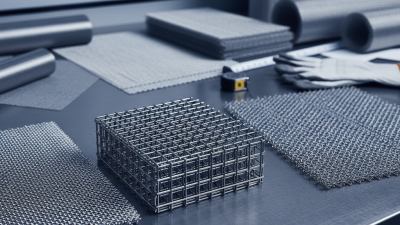
Top stainless steel wire mesh suppliers serve more than one specification. Their key products include woven mesh, welded panels, perforated screens, demister pads, and filter cloth. Common grades include 304, 316, and heat-resistant alloys. Each suits different conditions.

Woven mesh is widely used for filtration, sieving, and laboratory separation. Welded mesh supports guards, baskets, building panels, and industrial partitions. Fine filter cloth can remove particles from water, chemicals, and food-processing streams. According to the International Stainless Steel Forum, global stainless steel crude production reached about 58.4 million tonnes in 2023. That scale supports broad material availability, but it does not guarantee consistent mesh quality.

Major suppliers typically serve oil and gas, mining, pharmaceuticals, food processing, architecture, and environmental engineering. Industrial buyers often request traceable test certificates, controlled aperture sizes, and corrosion-resistant grades. The 2024 MarketsandMarkets analysis of the wire mesh industry identifies filtration, construction, and security applications as important demand areas. However, market reports often combine different mesh types, so comparisons can be imperfect.

Practical evaluation matters. A supplier should explain wire diameter, mesh count, open-area percentage, tensile strength, and manufacturing tolerance. A sample roll reveals more than a polished catalog. Look closely. A mesh may meet its nominal grade but still fail under vibration, salt exposure, or repeated cleaning. For high-temperature service, alloy selection and weld integrity deserve extra scrutiny. Cost is useful, but it should not replace application testing.

Factors to Consider When Choosing a Supplier

Top Stainless Steel Wire Mesh Suppliers Worldwide

Choosing a stainless steel wire mesh supplier requires more than comparing prices. Start with the supplier’s production experience, material knowledge, and quality records. Ask whether they can control wire diameter, mesh opening, weaving pattern, and edge finish consistently. A reliable supplier should provide clear material certificates and explain the stainless steel grade in practical terms.

Request samples before placing a large order. Measure the aperture with a gauge, inspect the weave under strong light, and check for broken wires or uneven tension. Discuss your operating conditions, including moisture, heat, pressure, and cleaning chemicals. The supplier should recommend a suitable grade instead of simply offering the cheapest option. I have learned that a low quotation can hide expensive replacement work.

Traceability also matters. Each batch should connect to inspection records, packing details, and shipping documents. Ask about production capacity, lead times, protective packaging, and communication during delays. A factory visit or video inspection can reveal storage problems that certificates may not show. No supplier is perfect. However, honest answers, consistent samples, and documented corrective action show professional responsibility. Be cautious when promises sound unusually broad, especially when technical details remain vague.