Choosing a reliable metal grate manufacturer in China requires more than comparing prices. Global buyers must examine load capacity, material grade, weld consistency, surface treatment, and production controls. A visually clean panel may still fail under repeated traffic or harsh weather.
W. Edwards Deming, a respected manufacturing quality expert, said, “Quality comes not from inspection, but from the improvement of the production process.” This principle matters in grating production. Strong suppliers build quality into cutting, welding, galvanizing, and final inspection. They also provide drawings, test data, traceability records, and clear packaging details.
This guide introduces China’s top 10 metal grate manufacturers for global buyers. The selection considers product range, engineering capability, export experience, factory capacity, customization, and communication reliability. It also looks at practical details, such as serrated walking surfaces, drainage openings, bearing-bar dimensions, and corrosion protection.
No ranking is perfect.
A manufacturer may excel in stainless steel grating but perform less effectively with heavy-duty platforms. Another may offer excellent pricing but limited technical support. Buyers should request samples, review relevant certifications, and confirm tolerances before placing large orders. Factory audits can reveal details that brochures often hide, including uneven welds, poor stacking, or inconsistent coating thickness.
The goal is not to promote one supplier blindly. It is to help procurement teams compare capabilities with greater confidence. Each company deserves careful verification against the project’s location, safety requirements, operating loads, and delivery schedule.
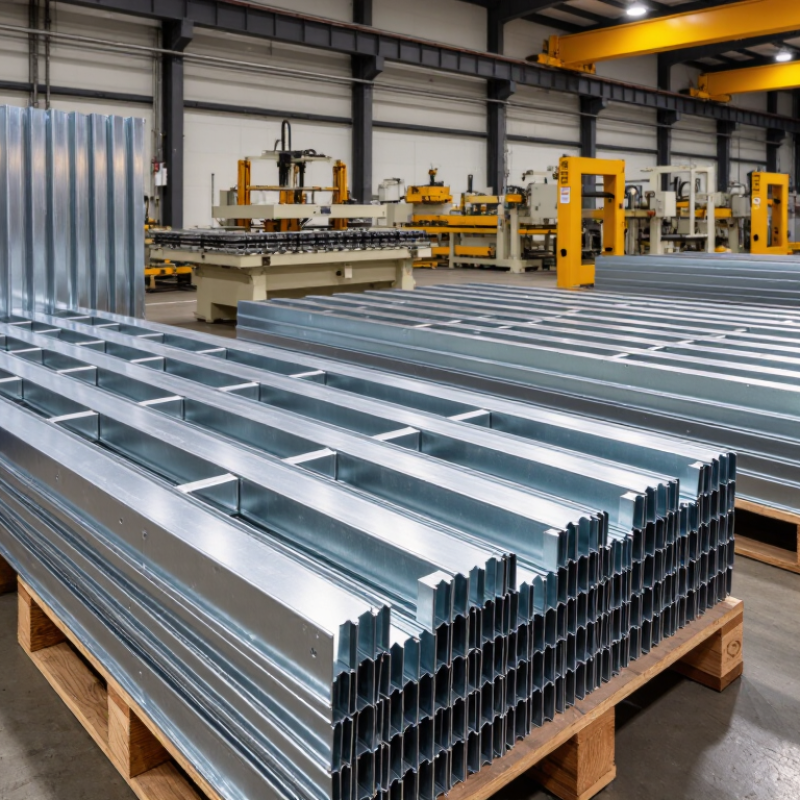
Metal grating selection starts with the application, not the catalogue image. Common types include welded steel grating, press-locked grating, swage-locked grating, and lightweight aluminum grating. Welded steel suits platforms, walkways, and industrial floors. Press-locked panels offer a cleaner appearance but may require careful support design.
Load classes must match real service conditions. A pedestrian walkway may need a lighter class, while pallet trucks, maintenance carts, or vehicles demand higher capacity. Check bearing-bar depth, thickness, span, and support direction together. A load label alone can mislead. Project specifications and local engineering requirements should control the final choice.
Bearing-bar spacing between 30 and 40 mm is widely considered practical for many walkways and platforms. Smaller openings improve foot comfort and help prevent tools from dropping through. Larger spacing can reduce weight and cost, but it may feel less secure under work boots. Confirm whether the supplier quotes clear opening or center-to-center spacing. They are not identical. Field inspections often find this detail overlooked. A 32 mm nominal pitch may not provide a 32 mm clear gap. Drainage, ventilation, corrosion protection, and edge finishing also affect service life. Galvanized steel is common outdoors, yet coating damage at cut edges still needs attention.
China Top 10 Metal Grate Manufacturers for Global Buyers
Global Standards: ISO 14122-2, ASTM A123, and NAAMM MBG 531
For global buyers, a metal grate manufacturer should be judged by measurable safety, not attractive catalog images. ISO 14122-2 provides guidance for fixed industrial platforms, walkways, and access routes. It covers clearances, walking surfaces, openings, and safe movement around equipment. Request drawings showing finished dimensions, support spacing, load assumptions, and edge details. Small gaps matter.
ASTM A123 addresses hot-dip zinc coatings on iron and steel products. It helps buyers evaluate corrosion protection through coating thickness, appearance, and inspection methods. A dependable supplier should provide batch records, coating measurements, steel grades, and repair procedures. Check the actual test report, not only a general compliance statement. Zinc buildup around corners can affect installation.
NAAMM MBG 531 offers useful terminology, design guidance, load information, and dimensional references for bar grating. Use it to compare bearing-bar sizes, cross-bar spacing, span capacity, deflection, and fabrication tolerances. A capable manufacturer should explain these choices with calculations and shop drawings. This is where technical confidence becomes visible. Still, standards can be applied poorly. A stamped document cannot correct weak welding, inaccurate cutting, or unsuitable support conditions. Buyers should inspect samples, clarify testing scope, and require traceable records before approving production.
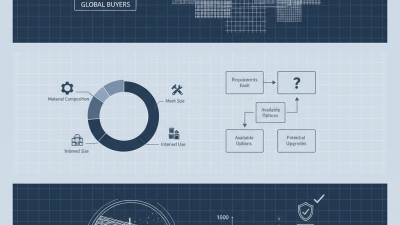
This manufacturer-neutral benchmark presents the minimum average hot-dip galvanized coating thickness specified by ASTM A123/A123M for structural steel, based on material thickness. ISO 14122-2 focuses on the safety and dimensional requirements of working platforms and walkways, while NAAMM MBG 531 provides guidance for metal bar grating construction, materials, fabrication, and load performance. These standards should be reviewed together with project-specific span, load, access, and corrosion requirements.
How to Evaluate China’s Top 10 Metal Grate Manufacturers
Choosing among China’s top metal grate manufacturers requires more than comparing online prices. Check whether each factory controls cutting, welding, galvanizing, and final inspection. Request material certificates, load-test records, and dimensional reports for the exact grate design. A reliable supplier should explain steel grades, bar spacing, surface treatment, and acceptable tolerances clearly. Ask for recent project evidence, not recycled catalog images. A polished website proves little. Factory experience matters more when specifications become difficult.
Tips: Request a production sample before placing a large order. Measure its length, width, bearing bars, and weld spacing yourself. Inspect corners for sharp edges and check whether the finish flakes after handling. Confirm production capacity, minimum order quantity, packaging methods, and realistic lead times. Export experience is useful, but it should include traceable documents and responsive communication. Do not accept vague claims about “international standards.”
Visit the facility remotely or in person when possible. Observe raw-material storage, welding stations, and inspection procedures. Compare the sample with the approved drawing before mass production. Some suppliers may offer a lower quote by reducing coating thickness or steel weight. That saving can disappear through corrosion, repairs, or installation delays. I have found that small details often expose larger weaknesses. Still, no evaluation is perfect; weather, handling, and site conditions can change performance. Keep written records, approve revisions carefully, and use independent inspection when the project carries serious cost or safety concerns.
Anonymous buyer-screening comparison based on product capability, quality controls, export readiness, and commercial flexibility.
| Supplier Profile | Core Grating Products | Common Materials | Surface Treatments | Typical Load Applications | Fabrication Capability | Quality Documentation | Typical Export Lead Time | Indicative MOQ | Customization Flexibility | Buyer Verification Priority | Evaluation Score |
|---|---|---|---|---|---|---|---|---|---|---|---|
| Supplier Profile 01 | Welded steel grating Stair treads | Carbon steel; stainless steel 304/316 available | Hot-dip galvanizing; black coating; mill finish | Platforms, walkways, industrial floors, drainage areas | Panel cutting, banding, nosing, support clips | Material certificates and dimensional reports available | 25–40 days after approved drawings | Approx. 10–20 tonnes or project-based | High | Confirm zinc coating thickness and weld penetration | 88 / 100 |
| Supplier Profile 02 | Pressed grating Trench covers | Carbon steel; aluminum; stainless steel | Galvanized; powder coating; untreated | Pedestrian walkways, machinery platforms, service trenches | Pressed cross bars, frame welding, corner cutting | Routine inspection records; project documentation to be confirmed | 30–45 days after order confirmation | Approx. 500–1,000 square metres | High | Check load calculations for non-standard spans | 84 / 100 |
| Supplier Profile 03 | Serrated grating Anti-slip stair treads | Carbon steel; stainless steel 304/316 | Hot-dip galvanizing; electro-polishing for stainless steel | Wet environments, food-processing areas, offshore access routes | Serrated bearing bars, stair nosing, custom panel layouts | Traceability, inspection plans, and packing records available | 35–50 days, depending on treatment | Approx. 300–800 square metres | High | Verify anti-slip geometry and corrosion-resistance requirements | 91 / 100 |
| Supplier Profile 04 | Heavy-duty grating Vehicle-access covers | Carbon steel; ductile iron components on selected assemblies | Hot-dip galvanizing; epoxy coating | Loading bays, vehicle lanes, energy and utility facilities | Heavy bearing bars, reinforced frames, lifting holes | Load test reports available by project request | 40–60 days after engineering approval | Approx. 10–30 tonnes | Medium to high | Require stamped load calculations and deflection limits | 86 / 100 |
| Supplier Profile 05 | Aluminum grating Lightweight platforms | Aluminum alloys; stainless steel fasteners | Mill finish; anodizing; powder coating | Marine access, water treatment, chemical-service platforms | Custom frames, mitered corners, removable panels | Alloy and dimensional records require order-specific confirmation | 35–55 days after approved drawings | Approx. 200–600 square metres | High | Confirm galvanic-corrosion control between dissimilar metals | 82 / 100 |
| Supplier Profile 06 | Stainless-steel grating Hygienic access panels | Stainless steel 304; stainless steel 316/316L | Pickled and passivated; polished; electropolished | Food, pharmaceutical, chemical, and coastal facilities | Precision cutting, TIG welding, edge finishing | Heat numbers and surface-treatment records available | 40–65 days, depending on material availability | Approx. 100–400 square metres | High | Verify stainless grade, weld finish, and passivation process | 90 / 100 |
| Supplier Profile 07 | Electro-forged grating Modular flooring | Carbon steel; stainless steel | Hot-dip galvanizing; painted finish | Factory floors, stairs, mezzanines, maintenance platforms | Automated cross-bar welding, banding, panel sizing | Factory inspection and dimensional reports available on request | 25–45 days after production scheduling | Approx. 500–1,500 square metres | High | Review aperture tolerance and bearing-bar alignment | 85 / 100 |
| Supplier Profile 08 | Press-locked grating Architectural grating | Carbon steel; aluminum; stainless steel | Powder coating; anodizing; galvanizing | Facades, ceilings, partitions, pedestrian areas | Decorative patterns, close-mesh panels, custom colors | Finish samples and product drawings available; testing varies by project | 35–55 days after sample approval | Approx. 100–500 square metres | High | Check coating adhesion, color consistency, and flatness | 81 / 100 |
| Supplier Profile 09 | FRP molded grating Corrosion-resistant flooring | Fiberglass-reinforced polyester; vinyl ester resin options | Integral grit surface; molded finish | Wastewater, chemical plants, marine areas, electrical rooms | Panel cutting, stair treads, handrail-compatible assemblies | Resin, flame, and load-test documentation must be verified | 30–50 days after technical approval | Approx. 200–800 square metres | Medium to high | Confirm resin system, flame spread, UV resistance, and load data | 79 / 100 |
| Supplier Profile 10 | Drainage grating Custom trench systems | Galvanized steel; stainless steel; ductile iron options | Hot-dip galvanizing; painted or passivated finish | Road drainage, industrial trenches, utility corridors | Frames, hinges, lifting keys, anti-theft fasteners | Dimensional and load records available for selected designs | 35–60 days after civil-design confirmation | Approx. 100–500 linear metres | High | Confirm drainage class, seating tolerance, and frame anchoring | 83 / 100 |
Evaluation factors include technical fit, material traceability, fabrication capability, documentation quality, lead time, minimum order flexibility, and customization support. All supplier-specific figures, certifications, test reports, and delivery commitments should be independently verified before purchase.
China Top 10 Metal Grate Manufacturers for Global Buyers
A buyer should verify load ratings before comparing prices. Ask for live-load, point-load, span, and deflection calculations. “Heavy duty” is not an engineering value. ISO 14122-2 covers access platforms and requires safety-focused design, but project loads still depend on support spacing and usage. The 2024 World Steel Association report recorded 1.89 billion tonnes of crude steel production worldwide, showing broad material capacity, not guaranteed grate quality.
A 6000 mm panel needs closer review. Confirm actual length, bearing bars, cross-bar spacing, lifting points, and transport protection. Long panels can twist during handling, even when their rated load appears sufficient. Request drawings with tolerances and a sample connection detail. I have seen purchase sheets that ignored intermediate supports. That mistake becomes expensive later.
Coating specifications should state surface preparation, coating type, and measured thickness. ISO 1461 provides hot-dip galvanizing requirements, while ISO 12944-5 helps classify protective paint systems by corrosion environment. Ask for batch test records, not only a certificate template. Lead time should separate fabrication, galvanizing, inspection, packing, and shipping. A realistic quotation includes each stage. Build contingency into the schedule; coating queues and port delays are easy to underestimate.