
Selecting the right medical air purifier is crucial for maintaining a healthy environment. It can be overwhelming, given the numerous options available. Each type of medical air purifier claims to improve air quality. These devices are designed to filter out harmful particles and allergens. However, not all purifiers provide the same level of effectiveness.
When choosing a medical air purifier, consider your specific needs. Do you suffer from allergies or respiratory issues? Some purifiers excel in removing pet dander and pollen, while others focus on bacteria and viruses. Look for models with HEPA filters, as they are proven to capture tiny particles. Additionally, pay attention to the purifier's CADR rating, which indicates its efficiency.
It's essential to remember that even the best medical air purifier may not be a complete solution. Regular maintenance and filter replacement are necessary. Moreover, air purifiers work best in conjunction with other cleaning practices. Keep your living space clean and free of dust. By understanding these aspects, you can make a more informed decision on which medical air purifier truly fits your needs.
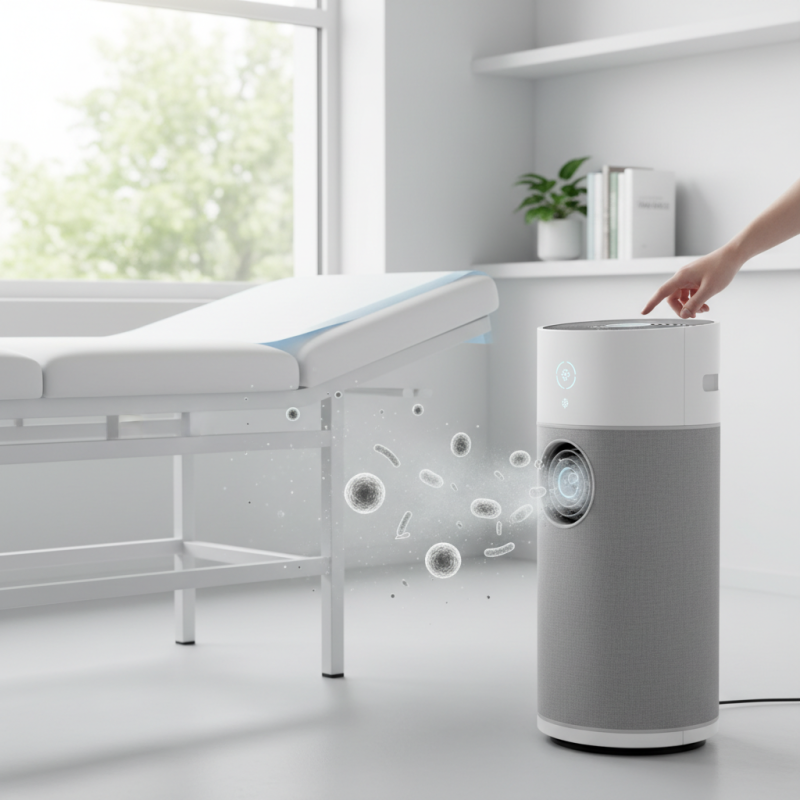
Air quality in medical settings plays a critical role in patient outcomes. Research indicates that poor air quality can exacerbate health issues, especially for vulnerable populations. According to a report from the World Health Organization, around 4.3 million deaths occur annually due to indoor air pollution. This emphasizes the need for effective air purification solutions in hospitals and clinics.
In medical environments, airborne pathogens can spread rapidly. The Centers for Disease Control and Prevention highlights that respiratory infections can transmit through the air, making filtration essential. Medical air purifiers equipped with high-efficiency particulate air (HEPA) filters can capture 99.97% of particles, including bacteria and viruses. Such filters are crucial in reducing the risk of infection transmission.
However, choosing the right purifier involves understanding various factors. Not all units offer the same efficiency or filtration capabilities. Some may not adequately address specific pollutants. It's important to evaluate the size of the space and the types of contaminants present. Additionally, regular maintenance is often overlooked. Dirty filters can worsen air quality instead of improving it. Hence, ongoing evaluation of both air quality and purification systems is vital in medical settings.
When choosing a medical air purifier, several key features are crucial. High-efficiency particulate air (HEPA) filters are essential. They capture 99.97% of particles, including allergens and viruses. According to the American Society of Heating, Refrigerating and Air-Conditioning Engineers, HEPA filters play a vital role in maintaining indoor air quality.
Another important aspect is the purifier’s CADR rating. This stands for Clean Air Delivery Rate. A higher CADR indicates faster removal of pollutants. Research shows that air purifiers with a CADR of at least 300 can effectively improve air quality in medium to large rooms. Look for models that specify their CADR ratings.
Noise levels matter, too. Some purifiers can be annoyingly loud. A noise level below 60 decibels is preferable. This allows for comfortable use in quiet environments, such as hospitals or bedrooms. However, many find that models that are too quiet may not operate as effectively. Balancing noise with performance is essential. When selecting a purifier, always check the unit’s specifications thoroughly.
When selecting a medical air purifier, it's essential to understand the types of filters available. HEPA filters are among the most effective. They capture at least 99.97% of particles as small as 0.3 microns. This includes dust, pollen, and even pet dander. However, not all HEPA filters perform equally. Some may degrade over time or may not be true HEPA. Researching the filter's life span is crucial.
Activated carbon filters are excellent for odor control. They absorb gases, smoke, and bad smells, making them ideal for spaces with strong odors. Yet, their effectiveness relies on proper maintenance. A clogged or saturated carbon filter loses its ability to purify air. Regularly replacing these filters is necessary and often neglected.
UV light technology is another innovative option. These systems kill bacteria and viruses by exposing them to ultraviolet light. While promising, the effectiveness depends on exposure time and intensity. Some units may not provide adequate coverage. It's important to ensure you get enough UV power for your area size. Ignoring the potential downsides can lead to underwhelming results. Choose wisely.
This chart compares the effectiveness of different types of air purifier filters commonly used in medical settings. HEPA filters are shown to be the most effective at removing particulates, followed by activated carbon and UV light filters.
Choosing the right medical air purifier is crucial for a clean environment. One of the first steps is assessing the room size. A small unit in a large room won’t effectively purify the air. This mismatch can lead to poor air quality and health issues. Measure your room accurately to understand how powerful the purifier needs to be.
Next, consider the purifier's capacity. It is often measured in CADR, or Clean Air Delivery Rate. A higher CADR means the purifier can clean more air in less time. This is essential, especially in medical settings. You want to ensure that pathogens and allergens are removed efficiently. If the capacity doesn't match the room size, you may need to rethink your choice.
While it’s easy to get lost in specifications, practicality is key. Think about where the unit will be placed. Allow space for airflow around the device. Don't overlook how noise levels can impact comfort. Sometimes, a quieter model might be preferred over a high-capacity one. Balancing these factors can be tricky but vital for optimal performance.
When selecting a medical air purifier, budget considerations are key. A high price doesn’t always mean better quality. Many affordable options effectively reduce allergens and pollutants. Look for features that matter most to you. HEPA filters are essential, but some models cut costs by skimping on performance.
Investing too little can lead to poor air quality, which is counterproductive. Some purifiers may seem like a bargain, yet cost you more in the long run. Regular filter replacements can add up. Be wary of models that require frequent maintenance. Read user reviews for real experiences.
Finding the right balance between cost and quality is challenging. You may end up paying for features you don’t use. It’s wise to prioritize needs, like noise levels and area coverage. Sometimes, a slightly higher upfront cost means long-lasting performance.
