What is the Purpose of Stair Treads in Home Safety?

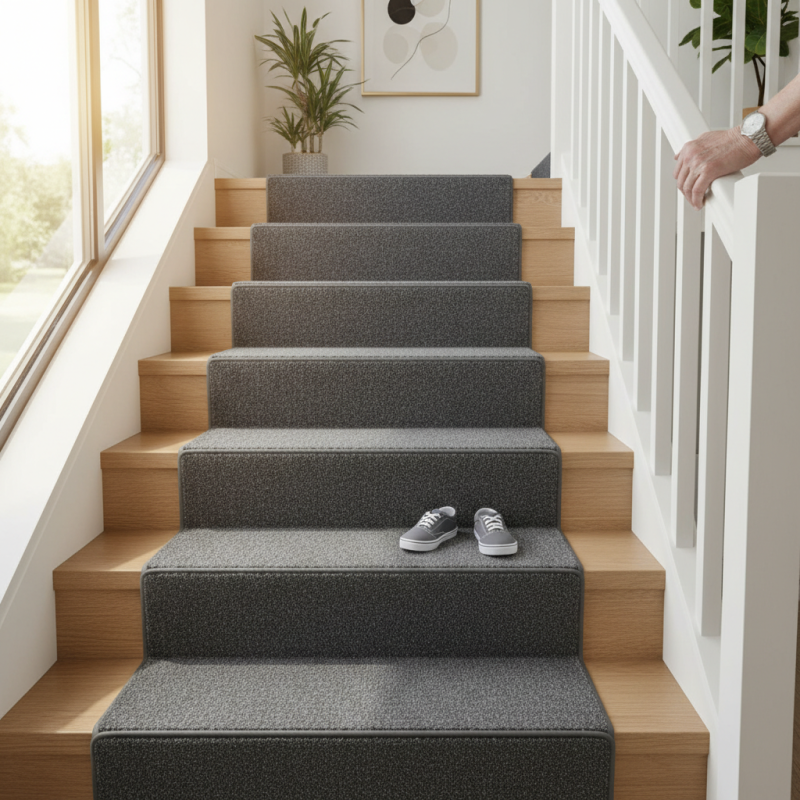
Stair treads serve a crucial role in enhancing home safety. They are designed to provide traction and prevent slips on stairs. Many homes have wooden or tiled stairs that can be slippery, especially when wet. Stair treads come in different materials like rubber, carpet, and vinyl, each offering various benefits.

Safety should always be a priority. Without proper stair treads, the risk of accidents increases significantly. Families, especially those with young children or elderly members, need to carefully consider their options. Yet, some people overlook this simple addition. It’s easy to neglect safety until an accident occurs. Choosing the right stair treads can make a substantial difference.

Additionally, stair treads don’t just prevent slips; they also enhance the aesthetic of a home. They can match your decor while serving an essential purpose. It’s important to reflect on the balance between style and safety. Rethinking your stair design can ultimately lead to a safer environment for everyone.
What is the Purpose of Stair Treads in Home Safety?

Definition and Function of Stair Treads in Home Safety

Stair treads serve a critical role in home safety. They are the horizontal parts of each stair step. Their primary function is to provide traction and stability. This is especially important in homes with children or elderly residents. Slips and falls can lead to serious injuries. Installing stair treads can significantly reduce this risk.

When choosing stair treads, consider the material. Some materials are slip-resistant while others are not. Rubber and textured surfaces are often preferred. They offer better grip, especially in wet conditions. A bright color can also make stairs more visible. This simple detail can prevent accidental falls.

Tips for maintaining stair treads are essential. Regularly check for wear and tear. If you notice damage, it may be time for a replacement. Ensure that the treads are clean. Dust and debris can reduce traction. Keep the area well-lit to enhance visibility. Add handrails for additional support, especially for older family members.
Common Materials Used for Stair Treads and Their Benefits

What is the Purpose of Stair Treads in Home Safety?

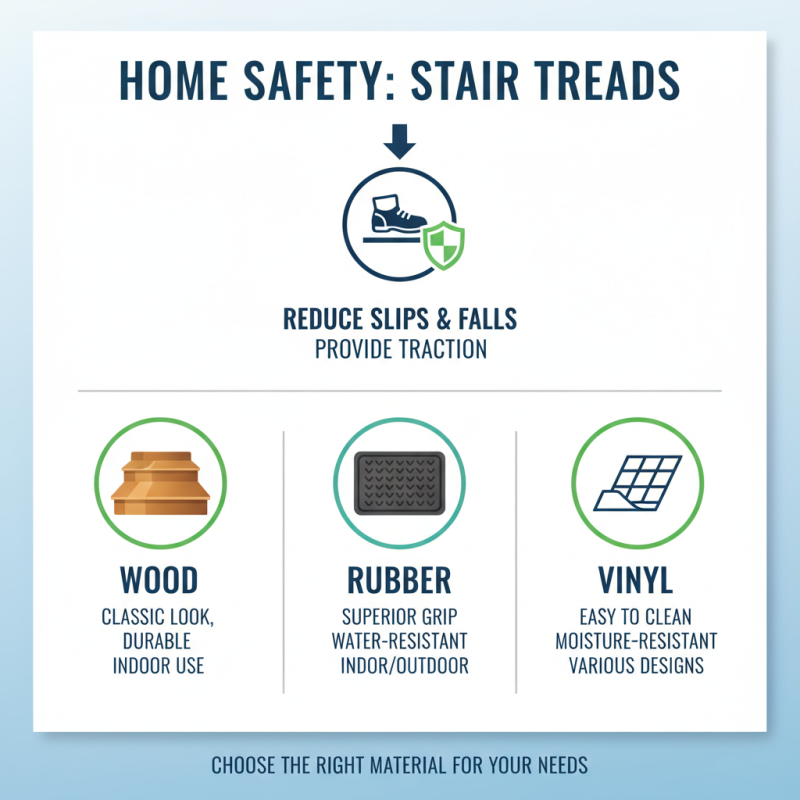
Stair treads play a crucial role in home safety. They provide traction, reducing the risk of slips and falls. When selecting stair treads, the material greatly influences their performance. Common materials include wood, rubber, and vinyl. Each has unique benefits and uses.

Wood stair treads offer a warm, classic look. They can be slippery when polished. Adding a non-slip finish can improve safety. Rubber treads are highly effective for traction. They come in various colors and textures, making them versatile for any home style. Vinyl is another popular choice. It's durable, easy to clean, and resistant to water damage.

Choosing the right material depends on your needs. Consider factors like appearance, maintenance, and safety features. Some homeowners may overlook the importance of a proper tread. This can lead to unsafe conditions. Investing in high-quality stair treads is essential for long-term safety. Reflect on your choices and their impact on your home environment.

Importance of Texture and Grip in Preventing Slips

Stair treads play a crucial role in home safety. Many people overlook their importance. A textured surface on stair treads can greatly reduce the risk of slips. Smooth surfaces may look appealing, but they can be hazardous, especially in wet conditions. With added grip, users feel more secure.

Texture and grip create friction. This friction helps maintain balance on steps. For families with children or elderly members, safety is paramount. The right tread can make stairs safer. Visual design can distract from their fundamental purpose. Unused treads may gather dust, reflecting negligence.

Installing high-friction materials is essential. Some homeowners hesitate because of cost or aesthetics. Yet, the long-term benefits of safety surpass these concerns. Evaluating the state of stair treads should be frequent. What might seem like a minor detail can prevent serious accidents. Recognizing the significance of texture and grip can change that perception. Safety must never be an afterthought.

Importance of Texture and Grip in Stair Treads for Home Safety

Installation Considerations for Effective Stair Tread Safety

Stair treads play a critical role in enhancing home safety. They provide traction and reduce the risk of slipping on stairs. However, effective installation is essential for maximum safety benefits. Selecting the right material is crucial. Non-slip surfaces are ideal for high-traffic areas. But some materials may wear out quickly, requiring regular inspections.

When installing stair treads, attention to detail is vital. Proper measurements must be taken to cover the entire edge of each stair. Misalignment can lead to trips and falls. Adhesive strength should be assessed too. If the adhesive fails, the treads can peel away, making stairs hazardous. Regular maintenance checks can prevent this issue.

Consider weather conditions as well. Outdoor treads must withstand moisture and temperature fluctuations. Some materials may not hold up well under these circumstances. Understanding the environment is key. Ultimately, while stair treads improve safety, their effectiveness largely depends on careful installation and routine upkeep.

What is the Purpose of Stair Treads in Home Safety? - Installation Considerations for Effective Stair Tread Safety

Dimension Description Importance
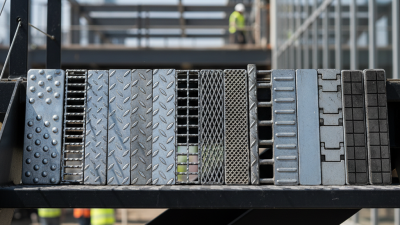
Material Type Rubber, Vinyl, Wood, Metal Affects grip and durability
Surface Texture Smooth, Textured, Anti-Slip Enhances traction and slip resistance
Thickness Varies (1/8" to 1/2") Influences stability and comfort
Color Contrast High vs Low Contrast Improves visibility for safety
Installation Method Adhesive, Screws, Interlocking Impacts longevity and safety

Maintenance Tips for Ensuring Long-lasting Stair Tread Safety

Stair treads serve a crucial role in maintaining safety within the home. They provide traction and prevent slips and falls, especially on stairs. To ensure that stair treads remain effective, regular maintenance is vital. This involves cleaning them frequently to remove dirt and moisture. Dirt buildup can make treads slippery.

Consider checking for wear and tear. Treads may degrade over time, losing their grip. Inspect them for cracks or peeling edges. These conditions can compromise safety. If you notice any issues, it may be time for repairs or replacements.

In addition to physical upkeep, evaluate the tread material. Some materials require more attention than others. Rubber treads, for example, are durable but can attract dust. A quick wipe could enhance their performance. Simple care can prolong the life of your stair treads. Don't overlook these details. They are essential for a safe living environment.