

Understanding the Importance of Stair Nosings for Safety and Aesthetics in Your Home
Stair nosings play a critical role in ensuring safety and enhancing aesthetics in residential spaces. According to the National Safety Council, falls account for over 8 million emergency room visits annually in the United States, with unintentional slips on stairways being a significant contributor.
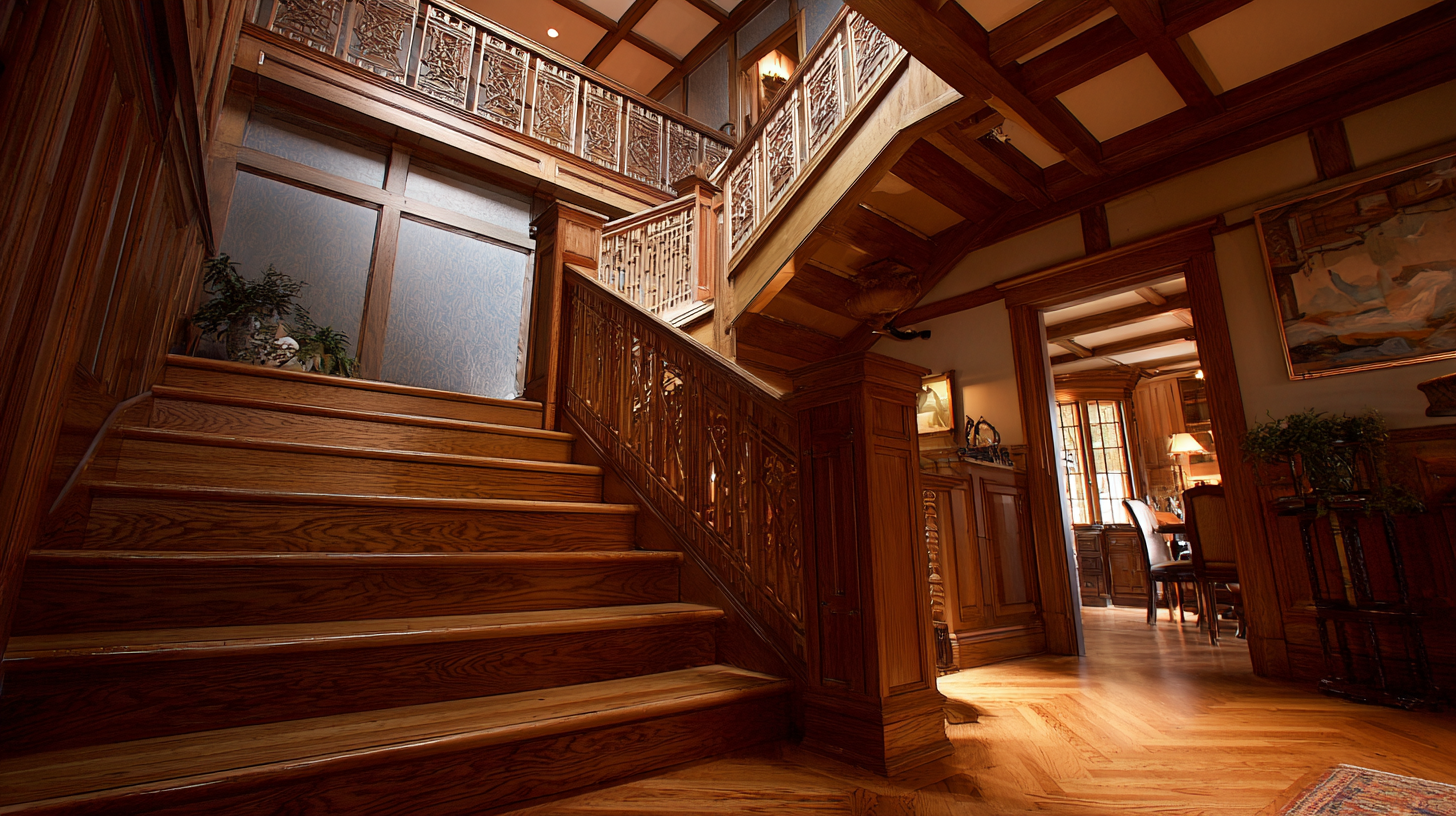 Incorporating stair nosings can substantially reduce this risk by providing better traction and improved visibility, helping to prevent accidents. Additionally, a study by the American National Standards Institute (ANSI) highlights that well-designed stair nosings can enhance the visual appeal of stairs, thus contributing to a home’s overall design. As homeowners increasingly prioritize both safety and aesthetics, understanding the importance of stair nosings becomes essential for creating a secure, stylish, and functional living environment.
What are Stair Nosings and Why They Matter for Your Home
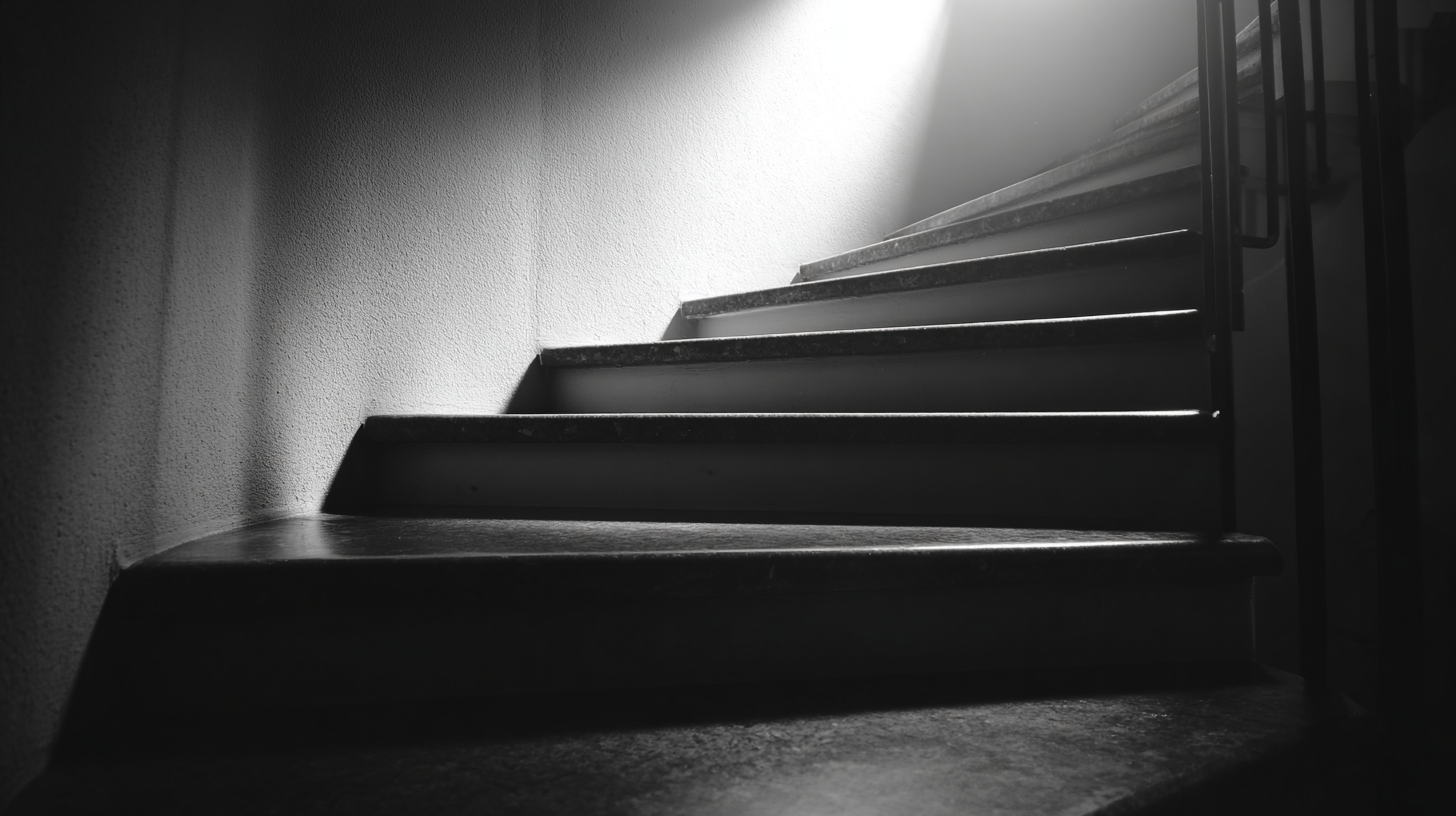 Stair nosings are the protruding edges of stair treads that play a crucial role in both safety and aesthetics within a home. These features are designed to provide better traction, helping to prevent slips and falls, especially in high-traffic areas or where moisture may accumulate. By adding a textured surface or a contrasting color, stair nosings significantly enhance visibility, making it easier for individuals to perceive the stair's edge and maintain their balance while ascending or descending.
In addition to their safety benefits, stair nosings contribute to the overall visual appeal of a home. They can be customized in various materials and finishes to complement interior design themes, whether it’s a sleek modern look or a more traditional ambiance. Choosing the right stair nosing not only elevates the decorative aspect of staircases but also demonstrates a homeowner's attention to detail. Thus, incorporating stair nosings is a practical decision, merging functionality with style, ultimately leading to a safer and more attractive environment in any home.
Related Posts
-

Exploring Metal Mesh Screen Innovations at the 138th Canton Fair 2025 with Industry Growth Insights
-
Expanded Metal Innovations at the 138th Canton Fair 2025 Shaping the Future of Manufacturing in China
-
The Versatility and Benefits of Using Stainless Steel Mesh Screens in Everyday Applications
-
Exploring the Growth of Steel Stair Treads at the 138th Canton Fair 2025 Industry Insights and Statistics
-
5 Best Wire Mesh Panels: Enhancing Security with 75% Increased Durability Over Traditional Fencing
-
Understanding the Benefits of Steel Grating in Industrial Applications