The selection of the appropriate stainless steel wire mesh is crucial for various industrial applications, ranging from filtration systems to architectural designs. As the demand for high-quality stainless steel wire mesh continues to grow, driven by industries such as aerospace, food processing, and construction, it is essential to navigate the myriad choices available in the market effectively. According to a recent industry report by MarketsandMarkets, the global stainless steel wire mesh market is projected to reach USD 2.3 billion by 2025, reflecting a compound annual growth rate (CAGR) of 4.5% during the forecast period. This growth underscores the importance of understanding the features and specifications that distinguish different types of stainless steel wire mesh.
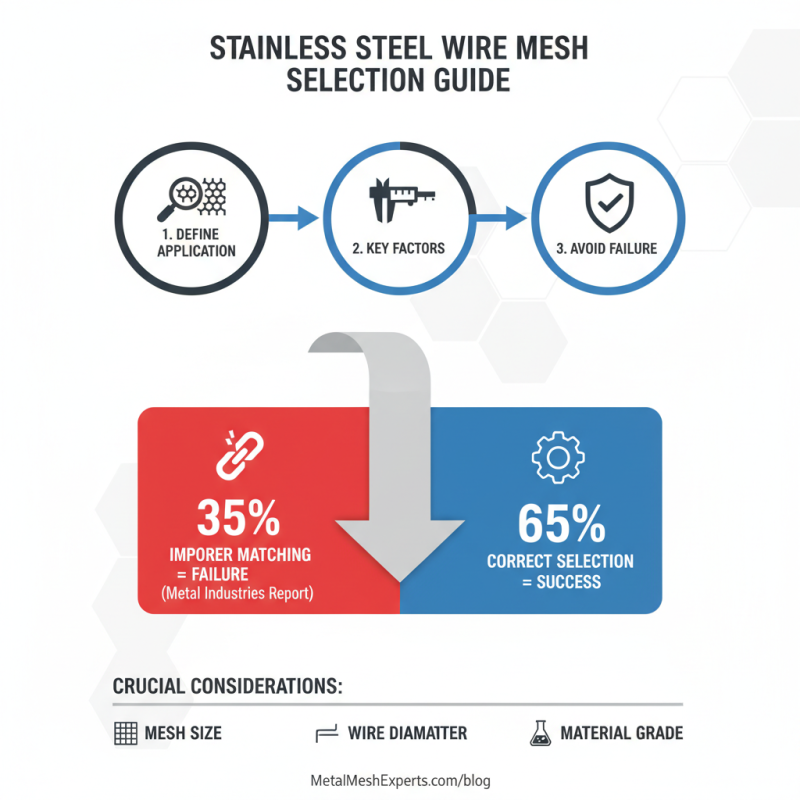
When selecting stainless steel wire mesh, several factors must be considered, including mesh size, wire diameter, and material grade. The intricate balance of these characteristics greatly influences the mesh's performance and durability. Additionally, a study by Research and Markets highlights that the choice of wire mesh can significantly affect product quality and operational efficiency, particularly in industries relying on high-precision filtration. Therefore, equipping oneself with the right knowledge and insights is essential for making informed decisions. This article presents ten essential tips tailored to help you choose the right stainless steel wire mesh for your specific applications, ensuring optimal performance and longevity in your projects.
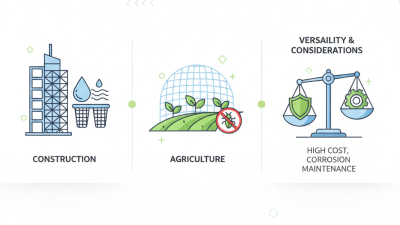
Stainless steel wire mesh plays a crucial role in various industries due to its durability, resistance to corrosion, and versatility. In construction, it is often used for reinforcement purposes, providing structural integrity to concrete and preventing cracking. In food processing, stainless steel mesh ensures hygiene by allowing for effective cleaning and resisting the growth of bacteria, making it essential for safe food production.
When selecting the right stainless steel wire mesh, consider the following tips: First, determine the mesh size required for your specific application. A finer mesh may be necessary for filtration processes, while a coarser mesh is suitable for applications like safety barriers. Second, assess the stainless steel grade that best meets your project's requirements. For instance, 304 grade is commonly used for general purposes, while 316 grade is more suitable for environments exposed to corrosive elements.
Another important factor is the surface finish of the wire mesh. A smooth finish is preferable in applications where cleanliness is vital, while a rough finish may be advantageous in applications requiring better adhesion or grip. By following these tips, industries can effectively choose the right stainless steel wire mesh to enhance both functionality and safety in their operations.
This bar chart represents the usage percentage of stainless steel wire mesh across various industries, highlighting its significance and application in sectors such as automotive, construction, food processing, and more. Understanding these trends can guide better decision-making in selecting the appropriate wire mesh for specific needs.
When selecting stainless steel wire mesh, several key factors should be taken into account to ensure optimal performance and utility. One of the most critical considerations is the type of stainless steel used, as different grades offer varying levels of corrosion resistance and strength. For instance, materials like 304 and 316 stainless steel are commonly used, with 316 providing enhanced resistance to saltwater and acidic environments. According to a recent IMARC report, the stainless steel wire mesh market is projected to grow significantly, driven by increasing demand in industries such as construction and filtration.
Another important aspect is the size and gauge of the mesh. A finer mesh may be preferable for applications requiring filtration, while thicker wires can provide structural support for fencing or security barriers. Understanding the specifics of your application—such as exposure to environmental elements or pest pressures—can guide you in choosing the right gauge and design. The Wire Mesh Fencing Manufacturing Cost Analysis report highlights that careful consideration of these factors can lead to more efficient use of materials and cost savings in manufacturing processes. Thus, evaluating these aspects will lead to a more informed and effective selection of stainless steel wire mesh.
When selecting stainless steel wire mesh for various applications, understanding the grades of stainless steel is crucial. Different grades offer distinct mechanical properties, corrosion resistance, and tensile strength, making them suitable for specific uses. For instance, austenitic stainless steels like 304 and 316 are widely used due to their excellent corrosion resistance, making them ideal for environments exposed to moisture or chemicals.
Recent advancements in stainless steel technology, such as innovations in wire mesh production, highlight the importance of choosing the right grade for optimal performance. Research into the effects of mesh sizes on mechanical properties reveals that the right configuration can significantly enhance performance, especially in demanding applications like aerospace. Furthermore, ongoing efforts to improve sustainability in wire mesh configurations indicate that selecting eco-friendly materials can also influence mechanical properties positively, aligning with contemporary environmental standards.
Thus, understanding the specific requirements of your application and the grades available is essential for making an informed decision in the selection of stainless steel wire mesh.
When evaluating the cost-effectiveness of stainless steel wire mesh, it's essential to consider both the initial investment and the long-term benefits it provides. While the upfront cost of stainless steel wire mesh can be higher than other materials, its durability and resistance to corrosion often lead to significant savings over time. This longevity reduces the frequency of replacements, resulting in lower overall maintenance and material costs. Choosing high-quality stainless steel wire mesh can thus prove to be a wise financial decision, particularly for industries where reliability is paramount.
Furthermore, the lifespan of stainless steel wire mesh contributes greatly to its cost-effectiveness. Unlike other materials that may degrade or corrode under harsh conditions, stainless steel maintains its structural integrity for years. This resilience not only minimizes replacement expenses but also ensures consistent performance, which is crucial in applications ranging from filtration to construction. By investing in stainless steel wire mesh, businesses can achieve a favorable balance between quality and costs, harnessing the benefits of both durability and economic efficiency in their operations.
When selecting stainless steel wire mesh, understanding industry standards and certifications is crucial for ensuring quality and performance. Different applications require varying types of wire mesh, and adhering to established standards like ASTM (American Society for Testing and Materials) ensures that the material meets specific mechanical properties, corrosion resistance, and durability criteria. Certifications such as ISO 9001 signal a manufacturer’s commitment to quality management systems and consistent production processes. Therefore, always verify that the wire mesh has been tested and certified according to relevant standards.
Additionally, familiarize yourself with the specific certifications applicable to your industry, suchspan style="color: #FF5733; font-weight: bold;"> as FDA compliance for food processing or the FDA's 21 CFR regulations. These certifications offer assurance that the stainless steel wire mesh will not only meet safety requirements but also perform reliably under the conditions expected in its application. Therefore, requesting and reviewing quality assurance documentation from suppliers can save time and reduce risks associated with subpar materials while aligning your selection with best practices in your field.