Enhancing Safety and Style: The Ultimate Guide to Choosing Steel Stair Treads for Your Home

When it comes to ensuring safety and enhancing the aesthetic appeal of your home, the choice of materials plays a crucial role, particularly for stairways. Steel stair treads have emerged as a popular option in residential design, combining durability with style. According to a recent industry report by MarketsandMarkets, the global stair tread market is projected to reach USD 2.1 billion by 2026, driven by increased awareness of safety standards and the aesthetic value of quality materials. Steel stair treads provide a slip-resistant surface, making them a vital choice for households looking to prevent accidents, especially in areas with high foot traffic. Furthermore, their versatility allows homeowners to select from various finishes and designs that can seamlessly integrate into contemporary or traditional interiors. By prioritizing both safety and visual appeal, steel stair treads are setting new standards in home design.
Enhancing Safety and Style: The Ultimate Guide to Choosing Steel Stair Treads for Your Home

Safety First: Understanding the Importance of Steel Stair Treads in Home Design

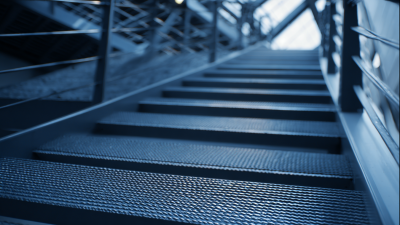
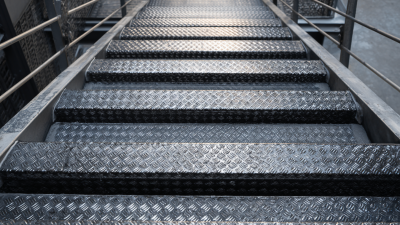
When designing a safe and stylish home, the importance of steel stair treads cannot be overstated. According to a report by the National Safety Council (NSC), falls are the leading cause of unintentional injuries in the home, accounting for nearly 8 million emergency room visits annually. Steel stair treads provide a reliable solution for enhancing safety by offering superior traction, preventing slips in potentially hazardous areas, especially during inclement weather. The textured surface of steel treads ensures that foot traffic remains secure, making them a practical choice for both indoor and outdoor applications.
Enhancing Safety and Style: The Ultimate Guide to Choosing Steel Stair Treads for Your Home

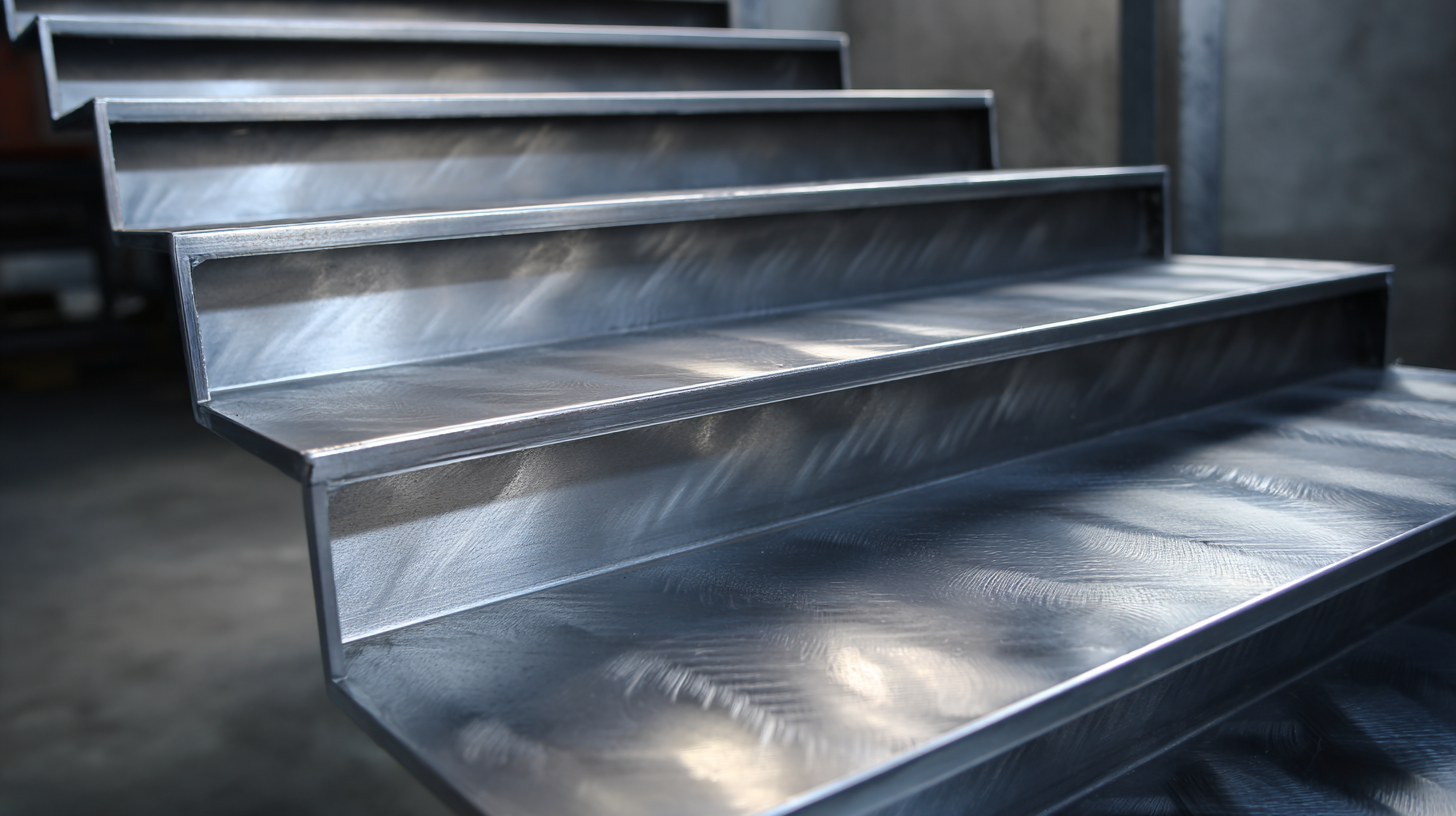
In addition to their safety benefits, steel stair treads contribute to the aesthetic appeal of your home. The versatility of steel allows for various designs and finishes, enabling homeowners to select treads that complement their interior décor or outdoor landscaping. A study by the American Institute of Steel Construction (AISC) indicates that incorporating high-quality steel elements can increase property value by up to 5%. Therefore, investing in stylish yet functional steel stair treads not only prioritizes safety but also enhances the overall design and value of your home.
Choosing the Right Material: Comparing Steel Tread Varieties and Their Benefits

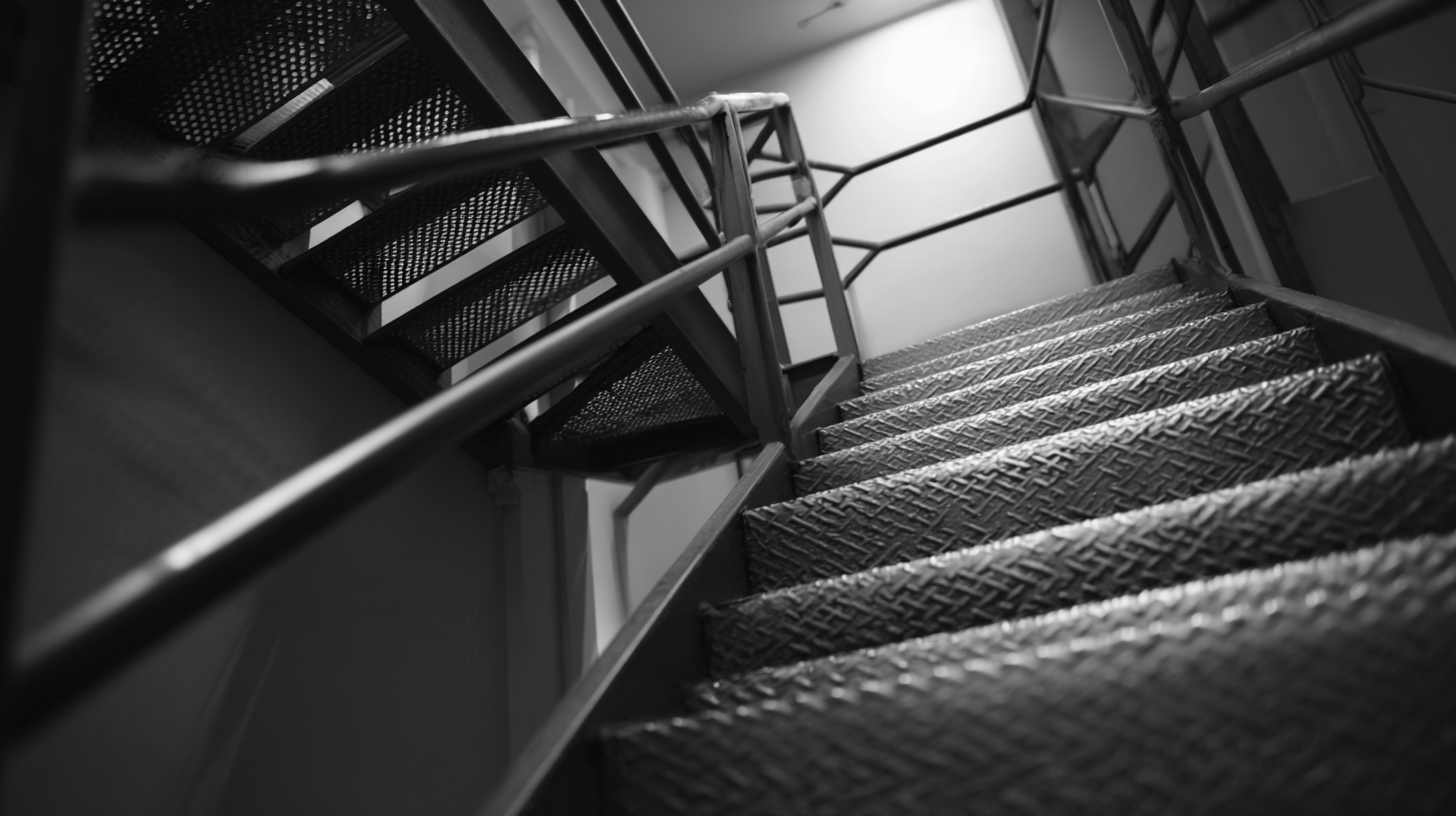
When selecting steel stair treads for your home, it’s essential to compare the different varieties available to ensure you choose the right material that suits your needs. Various types of steel treads offer distinct advantages, including slip resistance, durability, and aesthetic appeal. For instance, galvanized steel treads are known for their corrosion resistance, making them ideal for outdoor use. Conversely, stainless steel treads not only provide a sleek finish but also ensure longevity and low maintenance, which is especially appealing in high-traffic areas.

Enhancing Safety and Style: The Ultimate Guide to Choosing Steel Stair Treads for Your Home

Moreover, the benefits of various finishes and coatings should also be considered. Powder-coated steel treads come in various colors and designs, allowing for greater customization to match your home’s interior. Their added layer provides extra protection against wear and tear. When making your decision, think about the specific requirements of each area in your home, such as exposure to the elements or heavy foot traffic, to select the most suitable steel tread that combines safety and style effectively.

Understanding Load Bearing: Essential Weight Capacities for Residential Steel Stair Treads

When selecting steel stair treads for residential applications, understanding their load-bearing capacities is paramount. According to a report by the American Society for Testing and Materials (ASTM), residential stairs must uniformly support a minimum live load of 40 pounds per square foot (psf). This ensures safety when multiple individuals use the stair simultaneously. Steel treads, known for their durability and strength, often exceed these requirements, providing not only safety but also longevity under daily wear and tear.

Moreover, the choice of tread material is crucial in determining its load-bearing capacity. A study by the National Association of Home Builders (NAHB) indicates that treads made from carbon steel typically support greater weight than their stainless steel counterparts due to their enhanced structural integrity. Additionally, factors such as thickness and surface texture also play significant roles; thicker treads, measuring at least 1/4 inch, offer improved performance and are less susceptible to bending under heavy loads. By understanding these essential weight capacities, homeowners can make informed decisions that prioritize both safety and style in their stair design.

Enhancing Safety and Style: The Ultimate Guide to Choosing Steel Stair Treads for Your Home - Understanding Load Bearing: Essential Weight Capacities for Residential Steel Stair Treads

Stair Tread Type Material Dimensions (inches) Weight Capacity (lbs) Slip Resistance Rating
Standard Steel Tread Steel 36 x 12 1,000 R9
Heavy-Duty Grated Tread Aluminum 48 x 12 1,500 R10
Textured Steel Tread Carbon Steel 36 x 10 800 R8
Anti-Slip Steel Tread Stainless Steel 40 x 12 1,200 R12

Surface Treatments and Coatings: Enhancing Grip and Longevity of Steel Treads

When it comes to enhancing safety and style in your home, choosing the right steel stair treads is crucial. One of the key aspects to consider is the surface treatment and coating applied to the steel. These treatments not only improve the aesthetic appeal but also significantly enhance grip and longevity, reducing the risk of slips and falls. Industry reports indicate that tread designs with appropriate surface coatings can improve traction by as much as 50%, making them ideal for both indoor and outdoor applications.

To ensure the longevity of steel stair treads, opt for coatings that are specifically designed to withstand harsh weather conditions and heavy foot traffic. For instance, high-quality anti-slip coatings can reduce slippage, maintain the tread's appearance, and ward off rust and corrosion. When selecting a coating, look for products that have been tested for durability under various environmental conditions.

Tips: Always check the coefficient of friction (CoF) of the tread surface, aiming for a minimum of 0.5 for outdoor areas. Additionally, consider applying maintenance treatments every couple of years to prolong the life of the tread's coating and maintain its grip effectively. Regular inspections can help identify any wear and tear before they become a safety issue.

Design Aesthetics: Blending Safety Features with Home Interior Styles Using Steel Treads

When selecting steel stair treads for your home, the design aesthetics should harmonize with your interior style while providing essential safety features. Steel treads come in various finishes and designs, allowing homeowners to incorporate them seamlessly into different decor themes. For instance, a sleek, brushed steel tread can enhance the modernity of minimalist interiors, while ornate, powder-coated designs can add a touch of elegance to more traditional settings.

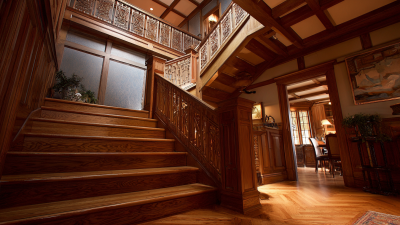
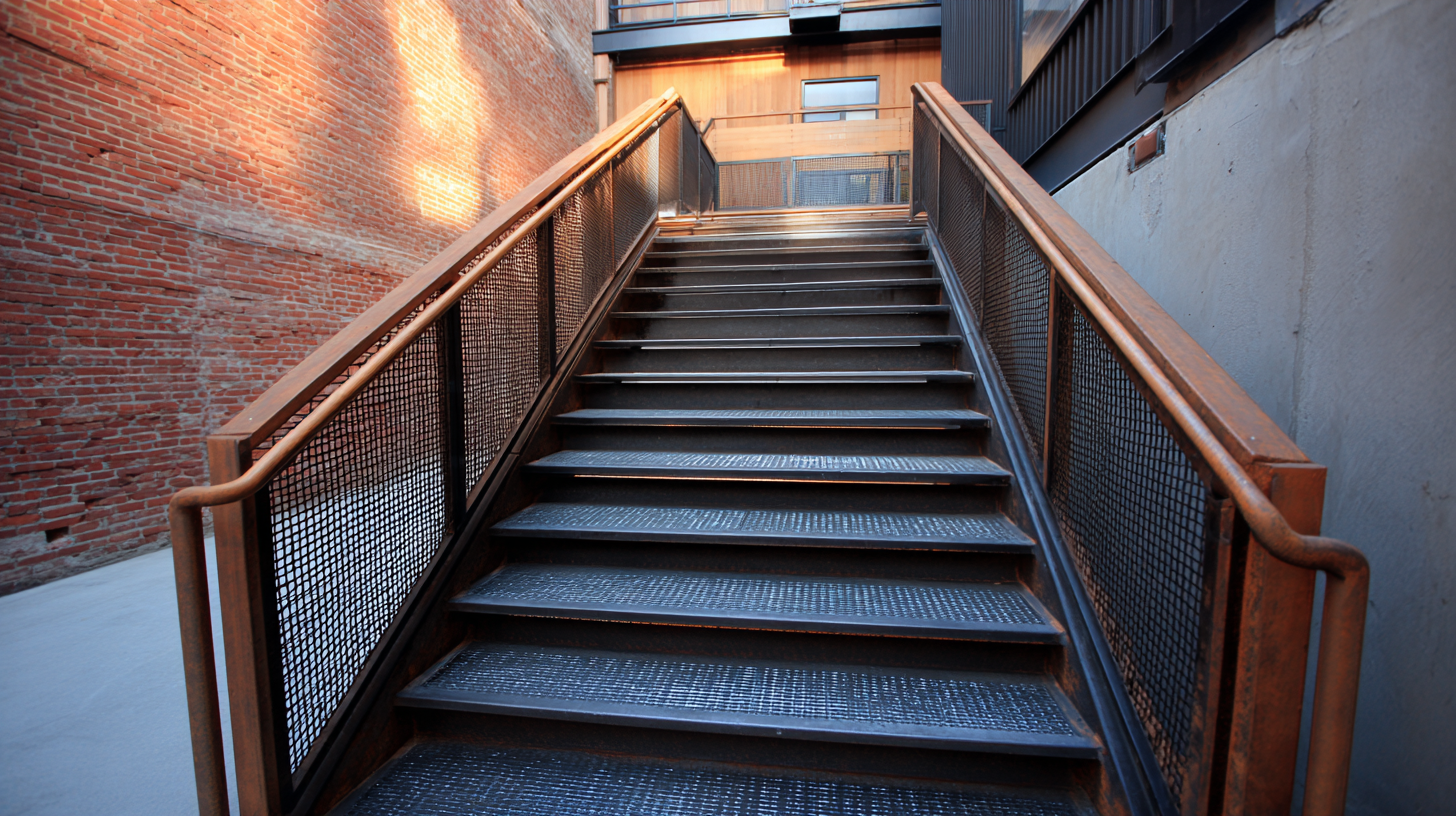
Moreover, the practical aspect of steel stair treads shouldn’t be overlooked as they ensure safety through their slip-resistant surfaces. Homeowners can find options that complement their interior color palettes and textures, making it possible to prioritize safety without sacrificing style. Integrating steel treads with wood railings or colorful wall accents can create a striking visual contrast, enhancing both safety and aesthetic appeal in your living space. Ultimately, the right choice of steel treads can elevate the overall ambiance of your home while ensuring that stairways remain safe for all family members.