Enhancing Safety and Durability: The Essential Role of Aluminum Stair Treads in Public Infrastructure
In the realm of public infrastructure, safety and durability are paramount, especially in high-traffic areas where the risk of slips and falls is considerably elevated.
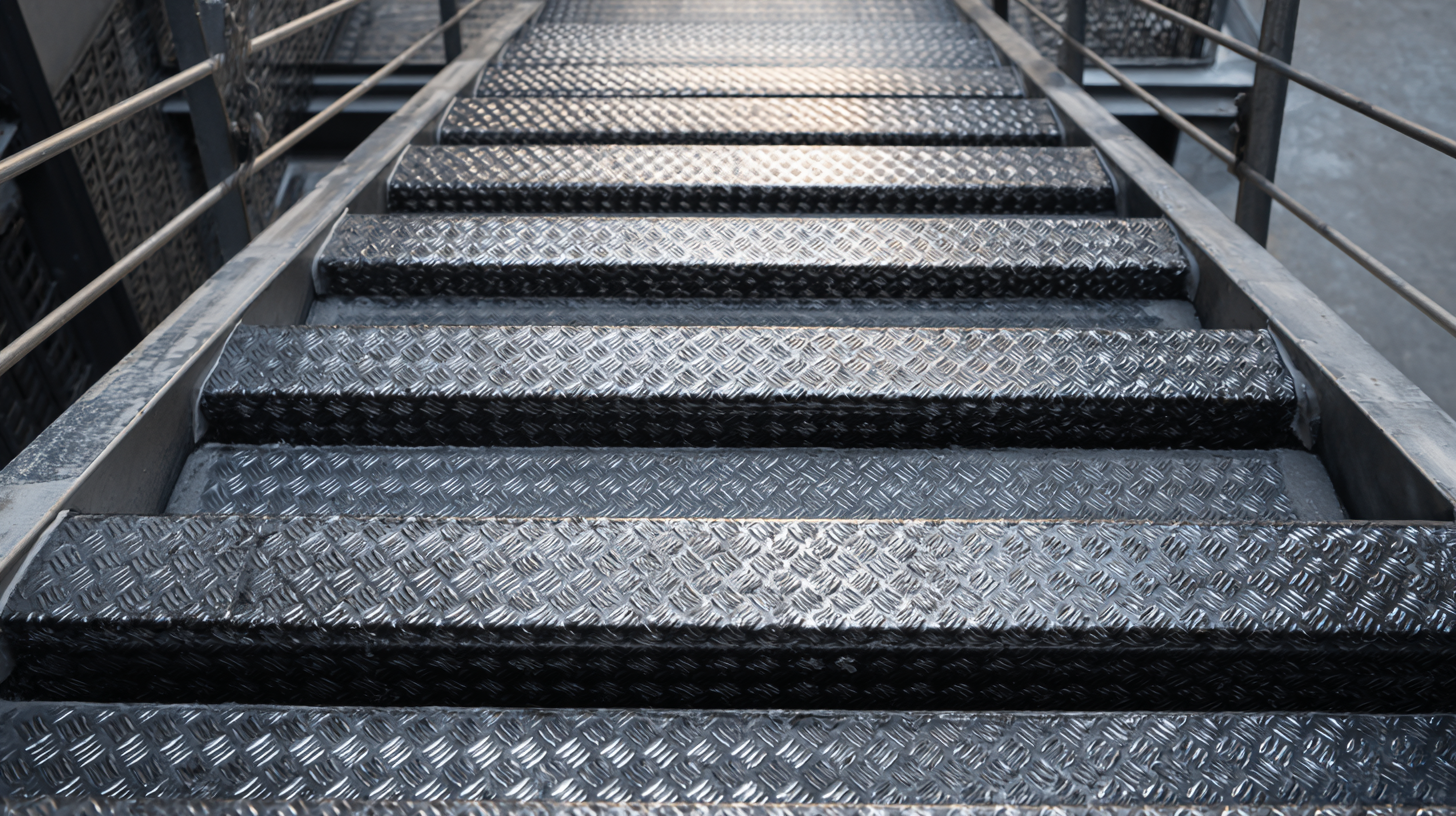 Aluminum stair treads have emerged as a vital solution for enhancing both safety and longevity in various settings, from schools and transit stations to commercial buildings. According to the American National Standards Institute (ANSI), slip-related accidents are among the leading causes of injury in public spaces, emphasizing the need for effective protective measures.
Research indicates that incorporating aluminum stair treads can reduce slip-and-fall incidents by up to 50%, largely due to their superior grip and resilient nature.
With an estimated 14,000 injuries related to stair-related falls annually in the United States alone, investing in quality aluminum stair treads is not just a matter of compliance, but a crucial step in safeguarding the well-being of the public while also extending the lifespan of the infrastructure itself.
The Critical Importance of Aluminum Stair Treads in Public Infrastructure Safety
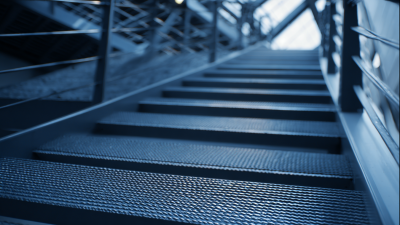
Aluminum stair treads play a vital role in ensuring safety in public infrastructure, serving as a first line of defense against slips and falls. According to a report from the National Safety Council, falls are one of the leading causes of injuries in public spaces, accounting for over 8 million emergency room visits annually. By utilizing aluminum treads, facilities can enhance grip and reduce the risks associated with wet or icy conditions, promoting a safer environment for the public.
Tips for choosing aluminum stair treads include opting for those with high-friction surfaces and lightweight designs that can support various weather conditions. Look for products that meet or exceed ANSI standards for slip resistance; these are crucial for minimizing accidents, especially in high-traffic areas. Additionally, selecting aluminum treads that have been treated for corrosion resistance can significantly extend their lifespan, making them a cost-effective solution in the long term.
Moreover, it's essential to consider the installation process. Properly installed aluminum stair treads can further enhance their safety features. Consulting with a professional to ensure correct placement and secure fastening can prevent the treads from loosening over time, thus maintaining their safety functions effectively.
Enhancing Safety and Durability: The Essential Role of Aluminum Stair Treads in Public Infrastructure
| Dimension |
Description |
Safety Rating |
Durability (Years) |
| Material Composition |
Aluminum alloys, typically 6061 or 6063 |
A+ |
30+ |
| Weight Capacity |
Supports heavy pedestrian traffic |
A |
25+ |
| Corrosion Resistance |
Highly resistant to rust and corrosion |
A+ |
40+ |
| Slip Resistance |
Textured surface to reduce slippage |
A+ |
Lifetime |
| Maintenance |
Low maintenance required |
A |
N/A |
Statistical Overview: Accident Rates Linked to Improper Stair Tread Materials
Improper stair tread materials are a significant factor in accidents within public infrastructures. According to a report published by the National Safety Council, falls are the second leading cause of unintentional injuries in the United States, accounting for over 8 million emergency room visits annually. Among these, a striking percentage of incidents occur on stairs where inadequate or inappropriate tread materials contribute to slips and falls. In fact, studies indicate that pedestrians are 90% more likely to experience a slip on wet, slippery surfaces, common in poorly designed staircases.
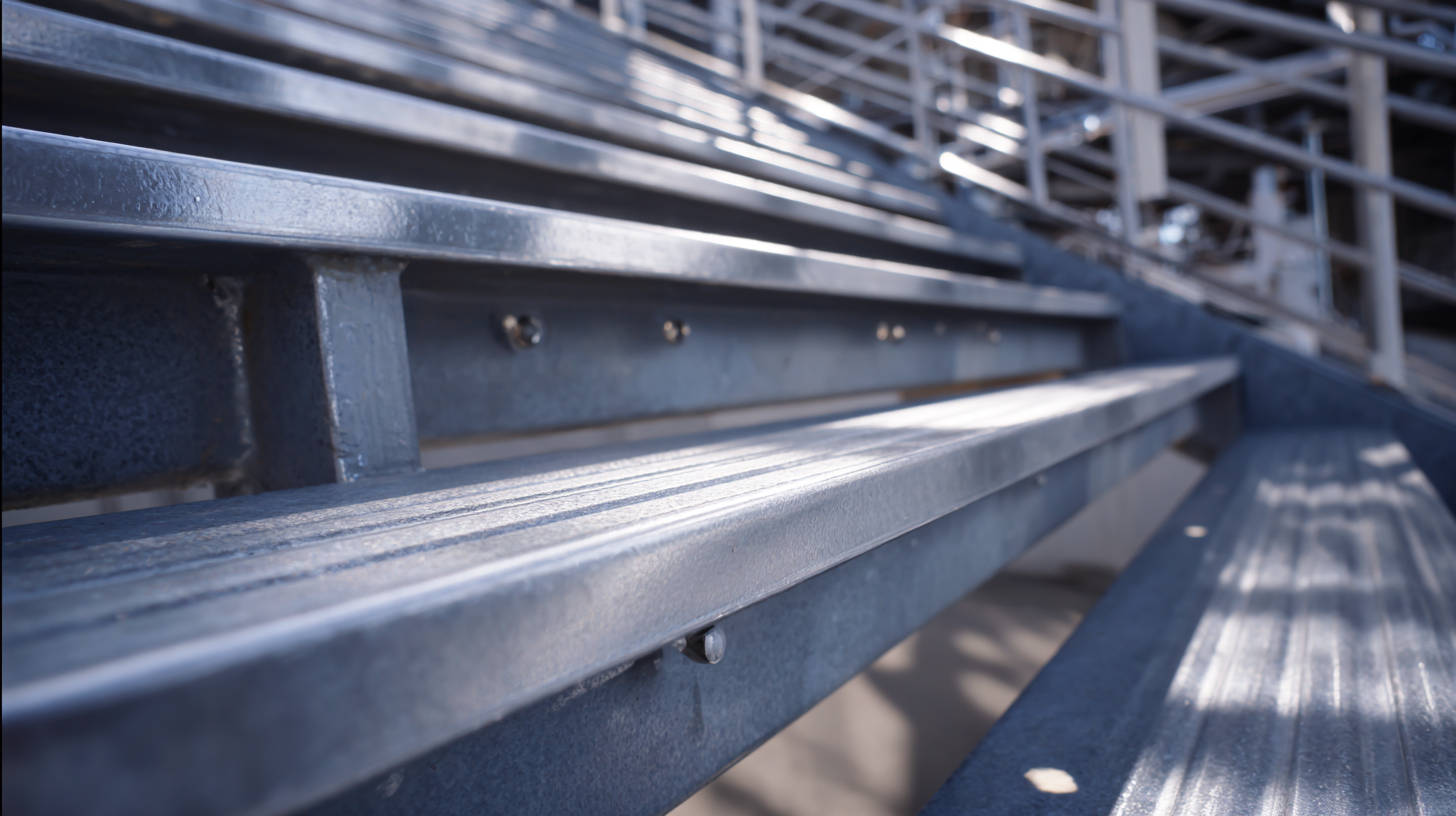
Aluminum stair treads offer an effective solution to combat this pressing issue. With their high-slip resistance and durability, they can significantly reduce the risk of accidents. A comprehensive analysis conducted by the American National Standards Institute (ANSI) emphasizes that stair treads made from aluminum and featuring anti-slip coatings can lower fall rates by up to 30%. The use of such materials not only enhances safety but also extends the lifespan of stair infrastructure, which is crucial for public environments frequently exposed to variable weather conditions and heavy foot traffic.
Material Properties: Why Aluminum Offers Superior Durability for Public Use
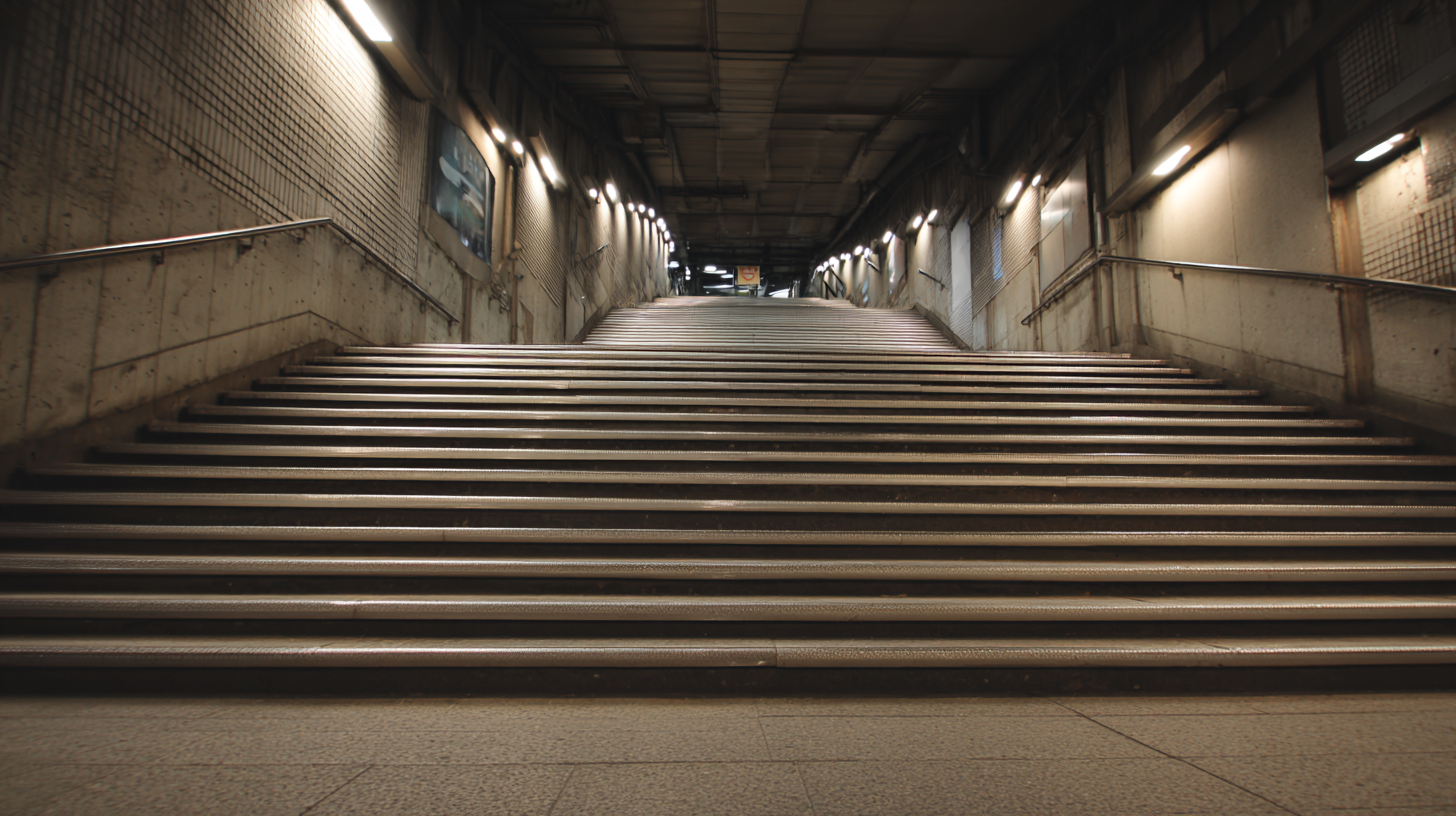 Aluminum stair treads are increasingly recognized as an ideal choice for public infrastructure due to their exceptional material properties. One of the most significant advantages of aluminum is its corrosion resistance. Unlike steel, aluminum does not rust, which makes it particularly suitable for outdoor and high-moisture environments. This durability ensures that aluminum treads maintain their structural integrity and appearance over time, reducing the need for frequent replacements. Furthermore, aluminum is lightweight yet strong, allowing for easier installation while supporting significant weight, making it a practical option for busy public spaces.
Tips: When selecting aluminum stair treads, look for treads with a non-slip surface to enhance safety, especially in high-footfall areas. Additionally, consider treads with a powder-coated finish to improve aesthetics and additional protection against scratches and UV damage. Regular maintenance, such as cleaning with mild soap and water, can also prolong the lifespan of aluminum treads.
In addition to its physical properties, aluminum is an environmentally friendly option. It is fully recyclable, which minimizes waste and reduces environmental impact. By choosing aluminum stair treads for public infrastructure, communities not only invest in safety and durability but also contribute to sustainable practices in construction and maintenance.
Cost-Benefit Analysis: Long-Term Savings from Installing Aluminum Stair Treads
The implementation of aluminum stair treads in public infrastructure presents a strategic financial advantage that extends well beyond initial installation costs. Aluminum's inherent properties—such as resistance to corrosion and wear—significantly reduce the need for frequent replacements or repairs. This longevity translates to lower maintenance expenditures over time, allowing municipalities and institutions to allocate funds more effectively.
Moreover, the safety features of aluminum stair treads contribute to long-term savings as well. Enhanced grip and durability reduce the risk of accidents, decreasing potential liabilities and insurance costs associated with injuries on public stairways. By investing in aluminum stair treads, stakeholders not only improve safety and accessibility but also create a cost-efficient solution that pays dividends in the years to come. Overall, the decision to install aluminum stair treads represents a wise investment in both safety and financial prudence for public infrastructure projects.
Regulatory Standards: How Compliance Enhances Public Infrastructure Safety
The essential role of regulatory standards in enhancing public infrastructure safety cannot be overstated, particularly when it comes to the implementation of aluminum stair treads. According to recent studies, public infrastructure projects are increasingly mandated to meet specific compliance measures that focus on durability and safety. For instance, the American National Standards Institute (ANSI) specifies that the coefficient of friction for stair treads in public areas should exceed 0.6 to minimize slip and fall incidents. This adherence to regulatory benchmarks not only safeguards public health but also upholds the integrity of these infrastructures.
Moreover, compliance audits are becoming more critical in ensuring that organizations align with both internal and external policies. Statistics show that a robust compliance framework can reduce liability by up to 30%, which emphasizes the importance of regulatory adherence in mitigating risks associated with public safety. In contexts like community development and urban planning, standards for anti-slip materials, including aluminum stair treads, can significantly enhance user experience and reduce accidents. As public authorities increasingly focus on safety regulations, the incorporation of resilient and compliant materials will play a pivotal role in developing infrastructure that meets both regulatory requirements and public expectations.
Safety Compliance of Aluminum Stair Treads in Public Infrastructure