Why You Should Consider Installing Stair Treads in Your Home?

In recent years, there has been a growing focus on home safety, especially concerning stairs. According to the National Safety Council, falls account for a significant number of injuries each year, particularly among older adults. Installing stair treads can greatly reduce the risk of these accidents. Stair treads provide essential grip and stability on stairs, acting as a first line of defense against slips.

Additionally, a report by the U.S. Consumer Product Safety Commission highlights that more than 10,000 emergency room visits annually are due to stair-related injuries. These statistics underline the importance of enhancing stair safety in homes. Stair treads are available in various materials, including rubber, wood, and carpet, catering to different aesthetic preferences while fulfilling practical safety needs.

However, not all stair treads are created equal. Considerations like installation type and maintenance are crucial. It’s worth evaluating how stair treads can suit your home’s specific needs, ensuring not only visual appeal but also peace of mind. As homes become more multi-generational, prioritizing safety features can make a notable impact on the well-being of all residents.
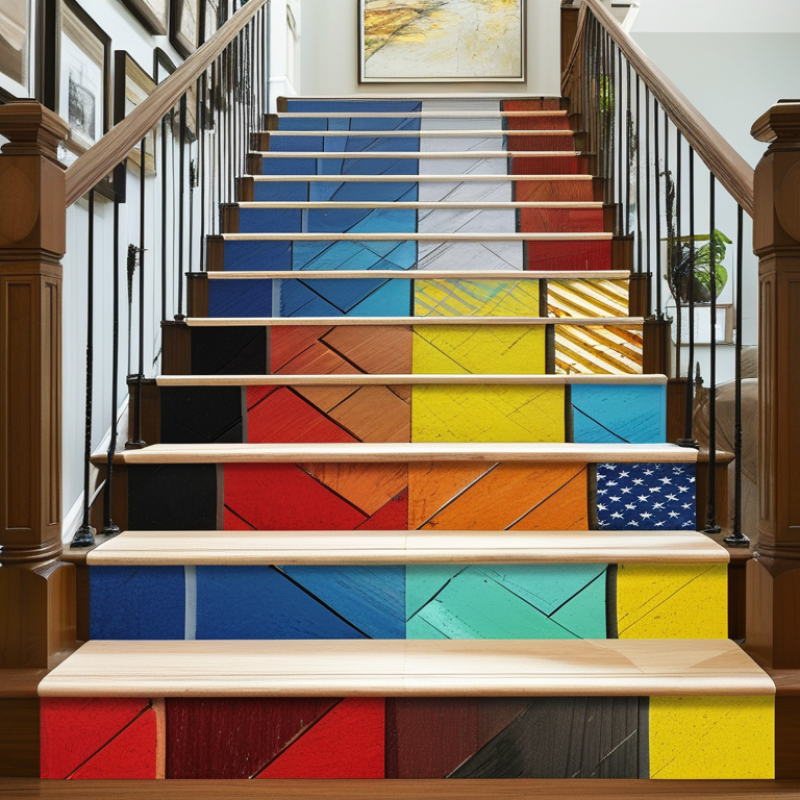
Why You Should Consider Installing Stair Treads in Your Home?

Understanding Stair Treads: Definition and Types

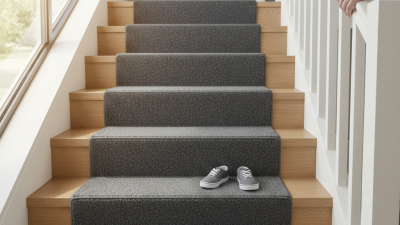
Stair treads are key components in home safety and aesthetics. They are strips or coverings placed on the steps of a staircase. Their main purpose is to provide traction and prevent slipping. There are various types of stair treads available. These include rubber, carpet, wood, and vinyl options. Each type offers unique advantages, such as comfort or durability.

Understanding the different types can help homeowners make better choices. Rubber treads are great for outdoor stairs. They withstand weather and provide grip. Carpet treads, on the other hand, offer warmth and comfort indoors. However, they can be harder to clean. Wood treads look elegant and match traditional decor styles. Yet, they may require more maintenance to prevent wear.

In some cases, treads may not fit well with every home design. Mixing styles could lead to a disjointed appearance. It's essential to carefully consider the surrounding decor. Choosing the right treads can enhance your home’s safety and style. Assess your needs and preferences when selecting treads. It’s worth investing time in this decision.

The Benefits of Installing Stair Treads in Your Home

Stair treads offer numerous benefits for any home. They enhance safety by providing grip and reducing the risk of slips and falls. Especially in busy households, this can be a game-changer. A variety of materials can suit different home styles. Options include rubber, wood, and carpet, each with its distinct aesthetic and feel.

A practical tip is to choose the right size for your stair treads. Ensure they fit well on each step. This prevents any part of the tread from hanging over the edge, which could cause tripping. Also, consider the color and texture. Lighter colors may show dirt more quickly, while textured surfaces can enhance grip.

Remember to install stair treads properly. Misalignment can diminish their effectiveness. Regular maintenance is key too. Clean them occasionally to maintain grip and appearance. Over time, tread wear may occur. Reflect on this to replace them when needed, ensuring ongoing safety and aesthetics.

Benefits of Installing Stair Treads in Your Home

Safety Enhancements Offered by Stair Treads

Stairs can be a hidden danger in many homes. A simple slip or misstep on bare steps can lead to serious injuries. Installing stair treads can significantly reduce this risk. These treads serve as a textured surface, providing better grip for your feet. Whether you have kids, elderly family members, or guests, safety should be a top priority.

The enhancements that stair treads offer go beyond mere traction. They also help to define the edge of each step. This visual cue can aid in preventing falls. Different materials, such as rubber or carpet, can provide various levels of friction. It’s essential to choose the right type based on your specific needs. Aesthetic factors shouldn’t be overlooked, but safety must remain the primary concern.

Many people don't realize that worn-out steps can increase the likelihood of slips. Even the most careful individuals can miss a step. It's worth reflecting on how stair treads could change that dynamic. Regular maintenance and monitoring of treads are important. Damaged or worn-out treads may fail to provide adequate safety. Prioritizing safety through effective choices is essential for a secure home environment.

Aesthetic Appeal: How Stair Treads Can Transform Your Space

Stair treads are more than just a safety feature. They can drastically enhance the aesthetic appeal of your home. According to a recent industry report from the National Home Improvement Research Institute, homes with stylish stair treads can increase visual interest and perceived value by 15%. This small update can make a significant difference in a spacious hallway or a cozy staircase.

Choosing the right material and design can transform the atmosphere of your space. For instance, wood treads can add warmth, while a bold pattern can inject personality. A more refined look, such as neutral colors or subtle textures, can help create a calming environment. However, homeowners should carefully consider maintenance needs. Some materials require more upkeep than others, which could detract from their initial appeal.

Tip: When selecting stair treads, aim for colors that complement your existing décor. This cohesive approach can elevate your entire interior design. Also, remember to check slip-resistance ratings for safety. Investing time in research can lead to a more satisfying choice. Consider experimenting with temporary treads to gauge how they feel in your space before committing to permanent solutions.

Installation Tips for Stair Treads: A Step-by-Step Guide

When considering stair treads for your home, installation can significantly enhance safety and aesthetics. According to the National Safety Council, falls account for over 8 million emergency room visits each year, many due to slippery stairs. Installing stair treads can reduce these incidents, providing a safer environment for families.

Begin by measuring the width and depth of your stairs. Choose tread materials that match your home’s style and offer slip resistance. Popular options include rubber and vinyl. Many manufacturers provide installation guides, which can help you ensure a proper fit. Using a strong adhesive is crucial, but make sure the surface is clean before applying.

Measure twice, cut once is a principle worth remembering. Miscalculations can lead to gaps or uneven edges. After installation, regularly check treads for wear and tear. While durable, they may need replacing over time. It's essential to consider this maintenance aspect. Adding stair treads not only enhances safety but can also elevate the overall look of your home.

Why You Should Consider Installing Stair Treads in Your Home? - Installation Tips for Stair Treads: A Step-by-Step Guide

Dimension Material Color Options Installation Difficulty Cost Estimate (per tread)
9" x 36" Rubber Black, Gray, Beige Easy $15
10" x 30" Wood Natural, Stained, Painted Moderate $20
8" x 32" Carpet Various Colors Easy $12
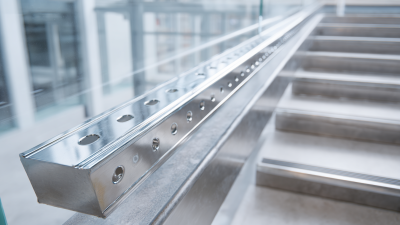
11" x 42" Metal Silver, Black Difficult $30