Choosing the right stainless steel mesh screen can seem daunting. There are many options available on the market. Selecting the proper type is crucial for your specific needs.
Stainless steel mesh screens are known for their durability and strength. They resist corrosion and wear, making them a popular choice in various industries. However, not all stainless steel mesh screens are created equal. You need to consider factors like mesh size, thickness, and material grade.
Imagine choosing a screen that doesn’t fit your requirements. It could lead to inefficiencies and frustration. This decision can impact your project’s success. Therefore, understanding the details of stainless steel mesh screens is essential. It might take some time, but refining your choice will be worthwhile in the end.
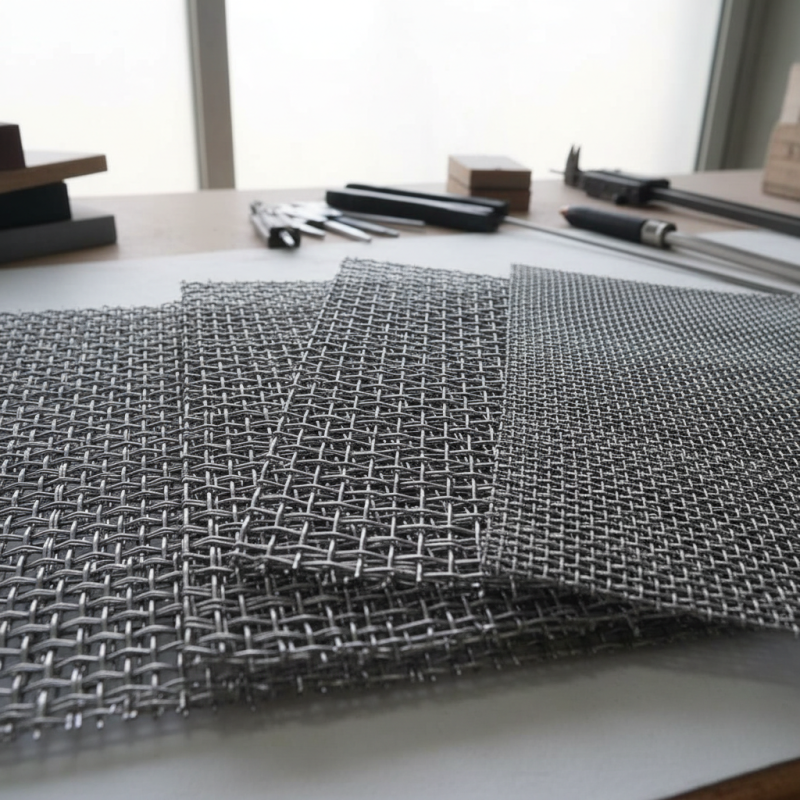
When selecting a stainless steel mesh screen, it's crucial to understand the various types available. There are primarily two common types: welded mesh and woven mesh.
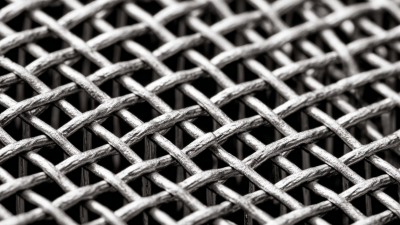
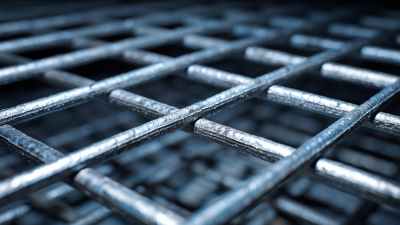
Welded mesh features joints that are electrically fused. This results in a very strong and rigid structure. Woven mesh, on the other hand, consists of interlaced wires. It offers greater flexibility and is often used in applications requiring filtration.
The choice between these types depends on specific needs. For heavy-duty applications, welded mesh screens are an excellent option. They handle intense pressures and resist wear and tear. Conversely, woven mesh screens suit jobs needing finer filtration. They can separate smaller particles effectively.
Moreover, consider the mesh size and wire diameter. A smaller mesh size yields better filtration. However, it may restrict airflow. Larger meshes facilitate airflow but allow bigger particles to pass. Finding the ideal balance is essential. Remember that sometimes a compromise is necessary. Testing different options can lead to a more informed decision.
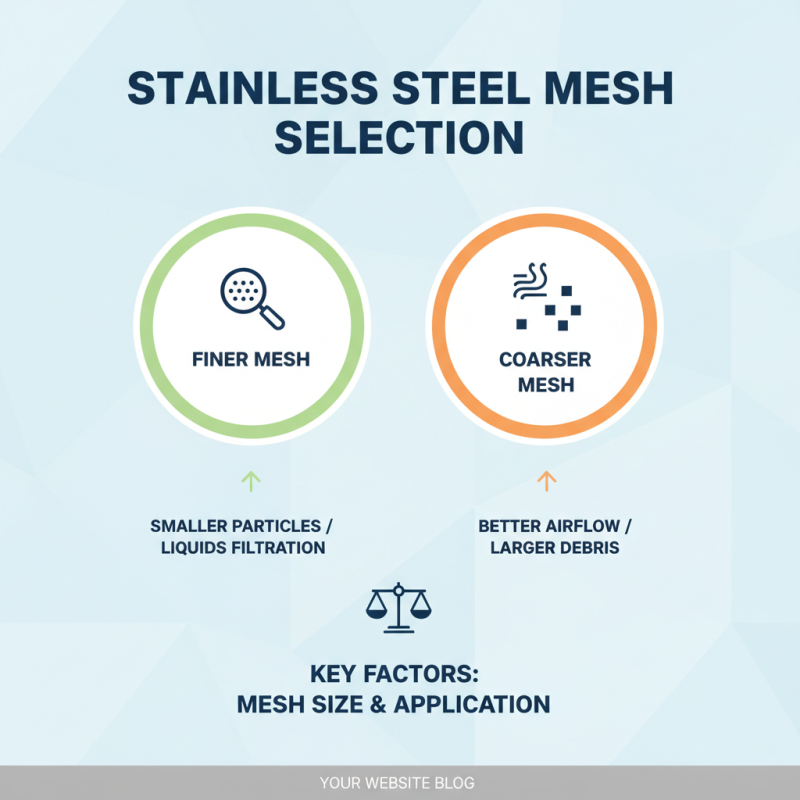
When selecting a stainless steel mesh screen, several key factors are essential. The mesh size is crucial. A finer mesh screens out smaller particles. Conversely, a coarser mesh allows for better airflow. Consider what you need to filter. Are you dealing with debris, or do you need finer filtration for liquids? This choice significantly impacts performance.
Material thickness also matters. Thicker screens offer more durability, but they can be heavier. If your project requires flexibility, a thinner mesh may be more suitable. Remember, the balance between strength and weight is crucial. The environment affects material choice too. Will it face corrosion? High humidity or salt exposure can erode certain types of steel. Choosing the right alloy can prevent future headaches.
**Tips:** Ensure the mesh fits your frame perfectly. Gaps can lead to inefficiency. Test the mesh with actual materials when possible. It helps validate your choices. Also, consider the ease of cleaning the mesh. Maintenance affects long-term performance. A good screen should serve you well without constant attention.
Choosing the right stainless steel mesh screen starts with a thorough evaluation of specifications. You need to consider important factors like mesh size, wire diameter, and overall material quality. The mesh size determines what particles can pass through. Fine mesh is suitable for filtration, while a coarser mesh allows larger items through. Identify your specific application needs clearly.
Wire diameter plays a critical role as well. Thicker wires provide sturdiness, while thinner wires offer more flexibility. It's essential to strike the right balance. Think about where the screen will be used. High-stress environments may require a more robust option. You might find that a less robust screen will fail sooner than expected.
Don't overlook corrosion resistance, especially in harsh environments. Ensure that the stainless steel quality meets your needs. Sometimes, a product that seems perfect might not hold up in real-world conditions. Testing the material in small batches can reveal imperfections you did not foresee. Always be prepared for adjustments and changes. Balancing these specifications can be complex, but understanding them will lead you to the right choice.
When selecting a stainless steel mesh screen, understanding wire diameter and open area ratio is crucial. Wire diameter affects the strength and durability of the mesh. Thicker wires provide more robust support, but they also reduce the overall open area. A smaller diameter can mean more openings but less strength. Balance is key.
Open area ratio measures how much of the mesh is open compared to the total area. High ratios allow for better airflow and material passage. This is essential in applications like filtration and screening. A lower ratio may suit structural needs, providing sturdiness at the cost of airflow.
Tips: Always consider the specific application. For filtration, opt for a higher open area. For structural support, prioritize wire thickness. Sometimes, we choose based on appearance or assumption. This can lead to issues later. Be sure to reflect on the actual needs before making a decision.
This chart displays the relationship between wire diameter and open area ratio in stainless steel mesh screens. The bar chart illustrates how an increase in wire diameter correlates with a decrease in open area ratio, which is crucial for selecting the right mesh for specific applications.
Stainless steel mesh screens are essential in various industries. They are widely used in food processing, water filtration, and construction. A report from MarketsandMarkets highlights that the global stainless steel mesh market is expected to reach $2.7 billion by 2026. This growth reflects the increasing demand across different sectors.
In the food industry, stainless steel screens prevent contamination. They provide clean filtration for liquids and solid particles. In water treatment, they play a crucial role in filtering harmful elements. Construction companies often use these screens for safety and durability in temporary structures. These applications demonstrate the versatility of stainless steel.
Tip: When selecting a mesh screen, consider the wire diameter and mesh count. A finer mesh provides better filtration but may reduce flow rates.
Another consideration is corrosion resistance. Different grades of stainless steel offer varying levels of resistance. For example, 304 stainless steel is commonly used, but 316 offers better protection in harsh environments. Weigh your options carefully to find the best fit for your needs.
Tip: Always assess the environment where the mesh will be installed. Understanding its exposure to elements helps in making the right choice.