How to Choose the Best Stainless Steel Mesh Screen for Your Needs?

When selecting the ideal stainless steel mesh screen, understanding material quality and application is crucial. The global market for stainless steel mesh screens is projected to reach $1.5 billion by 2027, reflecting its growing demand across industries. Key factors influencing this growth include durability, corrosion resistance, and filtration efficiency.

Stainless steel mesh screens serve critical roles in various sectors such as food processing, pharmaceuticals, and chemical manufacturing. Their ability to withstand extreme conditions makes them a preferred choice. However, many customers struggle with choosing the right specifications for their needs. Industry reports indicate that 30% of users experience dissatisfaction with their initial selection, primarily due to a lack of understanding of mesh ratings and types.

It's essential to consider specific criteria such as opening size, wire diameter, and weave type. Each of these factors significantly influences the screen's performance. While many products are available, not all meet the required standards. This highlights the importance of thorough research and expert consultations to make an informed decision. Understanding these variables can reduce frustration and improve overall satisfaction with stainless steel mesh screens.
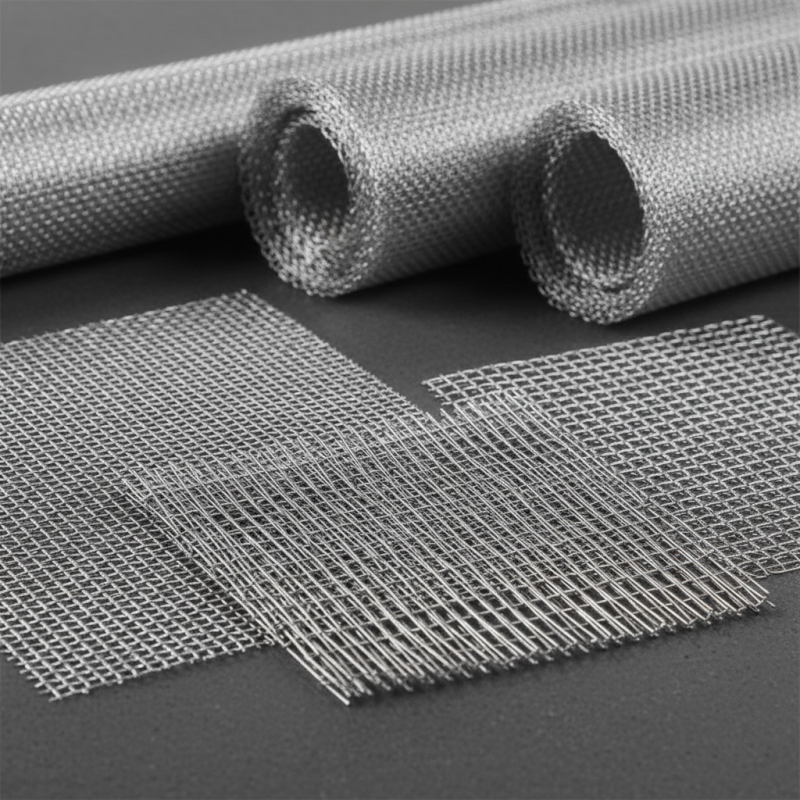
How to Choose the Best Stainless Steel Mesh Screen for Your Needs?

Types of Stainless Steel Mesh Screens and Their Applications
How to Choose the Best Stainless Steel Mesh Screen for Your Needs?

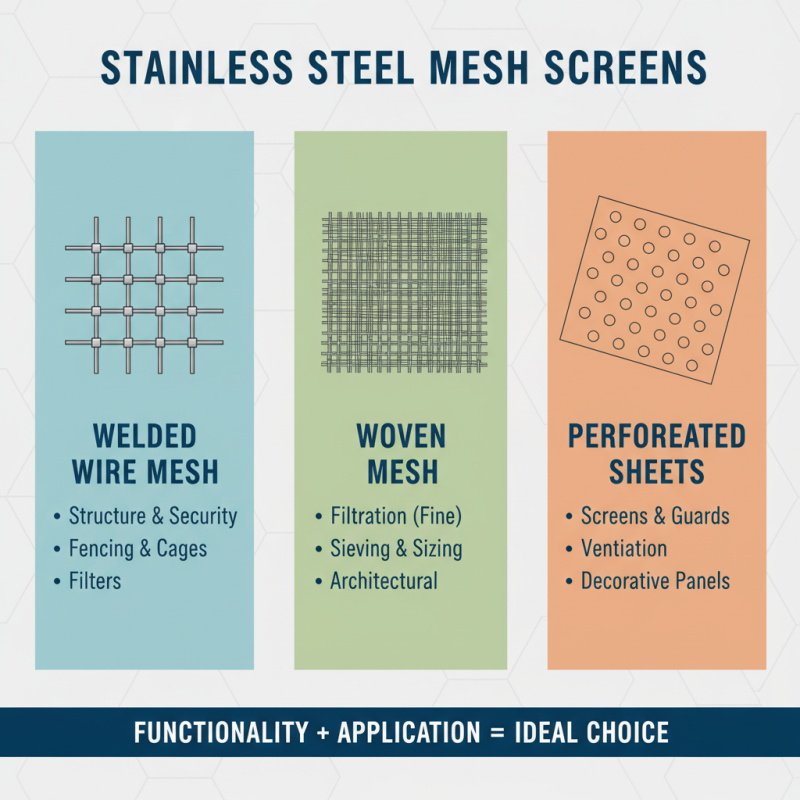
When selecting the right stainless steel mesh screen, understanding its types is crucial. An ideal choice hinges on functionality and application. Common types include welded wire mesh, woven mesh, and perforated sheets. Each serves distinct purposes.

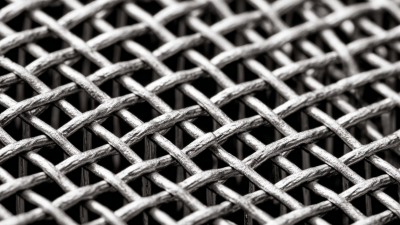
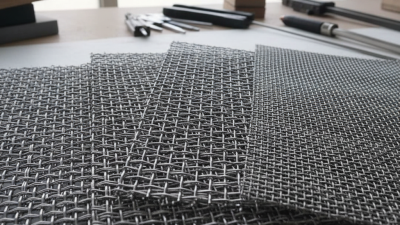
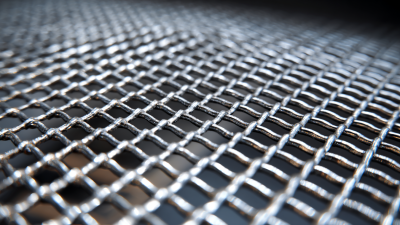
Welded wire mesh is strong and durable. It excels in applications like fencing and reinforcement. Its uniform openings prevent larger particles from passing through, making it reliable. Woven mesh offers flexibility, suited for filtration or ventilation. The varying weaves affect airflow and pressure drop. Perforated sheets provide a different perspective. They combine strength with aesthetic appeal and are often used in architectural designs.

Each type has its advantages, but also limitations. For instance, woven mesh can be less sturdy under heavy loads. Perforated sheets may not filter fine particles effectively. Consider your specific needs carefully. Analyze environment and material interactions. Balancing these factors leads to a well-informed decision.
Factors to Consider When Selecting a Stainless Steel Mesh Screen

How to Choose the Best Stainless Steel Mesh Screen for Your Needs?

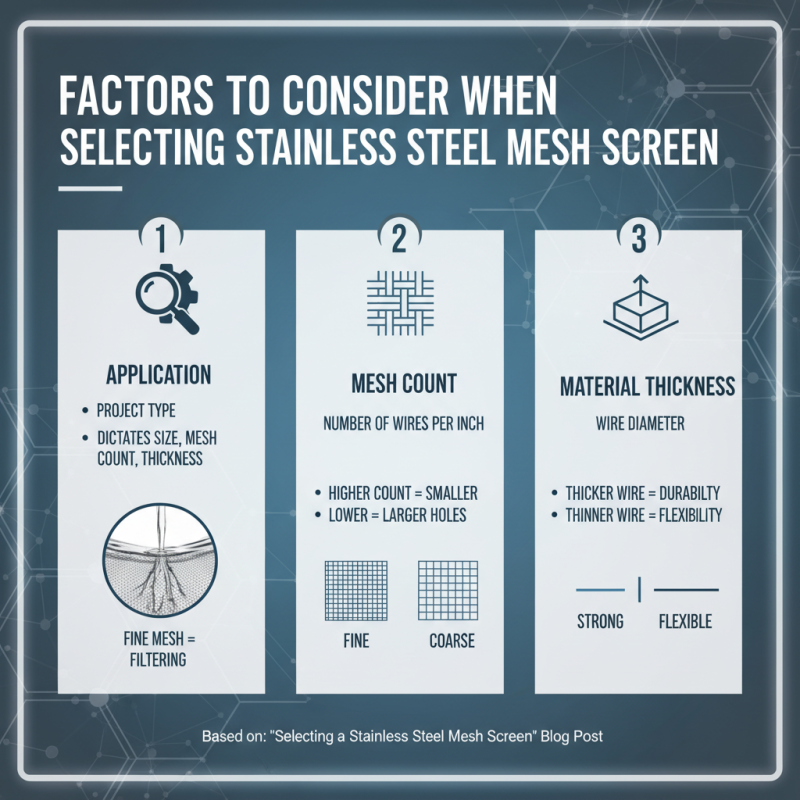
When selecting a stainless steel mesh screen, understanding its application is crucial. The type of project often dictates size, mesh count, and material thickness. For example, fine mesh is ideal for filtering purposes, while coarser mesh can support larger particles or allow better airflow.

**Tips:** Measure your space accurately. Consider how much filtration is needed. A screen that is too fine can clog easily. Conversely, a screen that is too coarse may fail to capture the desired particles.

Durability is another factor to weigh. Consider the environment where the screen will be used. Will it face harsh weather conditions or heavy usage? Stainless steel typically withstands corrosion, but variations in alloy composition can result in different performance levels. Reflect on these details before making a choice.

**Tips:** Research the specific grade of stainless steel. Higher grades usually offer better resistance but can be more expensive. Ensure that your investment aligns with the expected lifespan of the project. The right choice here can save money and time in the long run.

Mesh Size and Wire Diameter: Understanding the Impact on Performance

When selecting a stainless steel mesh screen, understanding mesh size and wire diameter is essential. Mesh size, which refers to the number of openings per inch, determines the screen's ability to filter particles. A smaller mesh size can trap finer materials, while a larger mesh allows quicker airflow but can let through larger debris. Choosing the wrong mesh size might mean inadequate filtering or reduced efficiency in application.

Wire diameter plays a crucial role in durability and performance. Thicker wires can withstand higher pressure and last longer in demanding environments. However, they can impact the flow rate. A thicker wire might not allow as much fluid or air to pass through, thus affecting overall performance. Balancing these factors requires careful consideration. If you need high strength, opt for a thicker diameter. For applications focused on light filtering, a finer wire with larger openings might suffice.

It’s important to reflect on specific needs before making a decision. Think about what you will filter and the conditions the mesh screen will face. Analyze your requirements thoroughly. Sometimes, a trial-and-error approach works best. Experimenting with different combinations can provide you with the best fit for your situation.

Understanding the Impact of Mesh Size and Wire Diameter on Performance

Durability and Corrosion Resistance in Stainless Steel Mesh Screens

When selecting a stainless steel mesh screen, durability and corrosion resistance are crucial factors. Stainless steel is prized for its strength and longevity. According to industry reports, stainless steel mesh can endure harsh environments, making it suitable for various applications, including marine and industrial settings. Research indicates that the right grade of stainless steel can exhibit corrosion resistance up to 95%, especially in acidic or saline conditions.

The choice of stainless steel grade is vital. Grades like 304 and 316 are common for their resistance to oxidation. However, 316 offers superior protection against saltwater, which is essential in coastal areas. Even with high-quality materials, some users overlook the importance of proper installation, which can compromise the mesh's longevity. Environmental factors can lead to unexpected wear and tear, underlining the need for regular maintenance and evaluation.

A mesh screen may appear robust at first glance, but factors such as welding quality and wire diameter also play significant roles. Thin wires may be more prone to bending or breaking. In areas exposed to extreme temperatures, adjustments to specifications are necessary to prevent eventual failure. Balancing these considerations requires both caution and expertise. Evaluating your specific needs, along with monitoring environmental influences, can guide you to the most effective choice.

Cost vs. Quality: Making an Informed Decision on Stainless Steel Mesh

When considering a stainless steel mesh screen, it's crucial to weigh cost against quality. Stainless steel is known for its durability and resistance to corrosion. However, not all screens are created equal. Cheaper options may use lower-grade materials, compromising their effectiveness. An informed choice requires understanding the unique needs of your project.

Investing in a high-quality mesh can lead to long-term savings. The right screen can prevent costly repairs down the line. Consider factors like the mesh's weave, wire diameter, and opening size. These elements affect filtration efficiency and durability. While a lower price may seem tempting, remember it could lead to frequent replacements.

It's essential to research suppliers and their materials. Look for transparent information about where the steel is sourced. Seek out reviews from professionals who have used the mesh in similar situations. This knowledge will help ensure your choice is both cost-effective and reliable. Finding the right balance between price and quality can be challenging but is necessary for success.

How to Choose the Best Stainless Steel Mesh Screen for Your Needs?

Screen Type Mesh Size (microns) Material Grade Durability Rating Cost ($ per sq. ft.) Ideal Use
Standard Welded 100 304 Medium 10 Filtration
Twill Weave 50 316 High 15 Chemical Processing
Dutch Weave 200 304 Medium 12 Oil Filtration
Round Wire 150 316 High 20 Pharmaceuticals