How to Choose the Best Led High Bay Light for Your Needs?
When selecting an LED high bay light, it’s crucial to understand your specific needs and application. The global LED high bay light market is projected to reach USD 4.09 billion by 2025, showing an increasing demand for energy-efficient lighting solutions. Businesses often struggle to choose the right model among various options. It helps to consider factors such as lumens, energy efficiency and temperature ratings.
LED high bay lights are known for their longevity and low energy consumption. Data indicates that they can reduce electricity costs by up to 65% compared to traditional lighting. However, not all LED high bay lights are made equal. Some products may underperform or fail to meet necessary safety standards. Reviews and certifications are essential in making an informed decision.
In the world of industrial lighting, understanding your unique requirements, like ceiling height and application area, is vital. This nuanced knowledge helps prevent costly mistakes. Even with extensive industry reports, many still overlook specific lighting requirements for their facilities. To avoid regret, deliberate analysis is key in choosing a suitable LED high bay light.
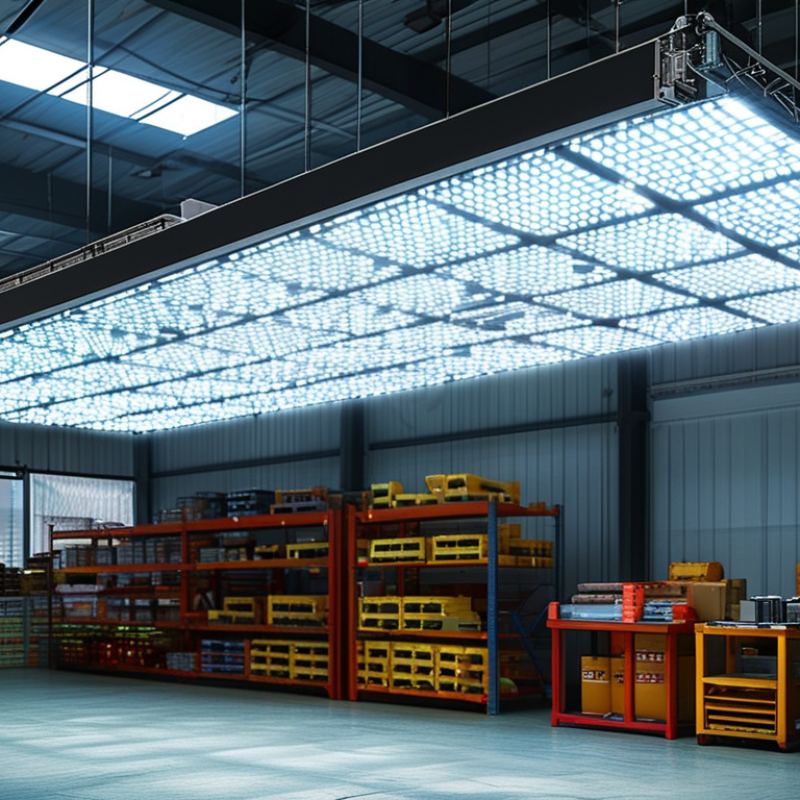
Understanding LED High Bay Lights: Key Features and Advantages
LED high bay lights have gained popularity due to their efficiency and longevity. They are specifically designed for high ceilings, typically found in warehouses and factories. Understanding their key features can help you make an informed choice.
One of the most significant advantages is energy efficiency. LED lights consume less power than traditional methods. They produce more light per watt, enhancing visibility in large spaces. Additionally, LED lights have a longer lifespan, reducing the need for frequent replacements. This is critical in industrial settings where downtime is costly.
**Tips:** Consider the color temperature. A brighter, cooler light can enhance productivity and reduce eye strain. Also, check the lumen output; it determines brightness. Higher lumens can significantly improve illumination.
Reflectors and optics also play a crucial role in performance. They help direct light effectively, preventing unwanted glare. Investing time in understanding these elements ensures you select a fitting model. Remember to assess your specific area needs before purchase.
How to Choose the Best LED High Bay Light for Your Needs?
| Feature | Description | Advantages |
| Lumen Output | Measurement of brightness; higher lumens mean brighter light. | Provides adequate lighting for large spaces. |
| Color Temperature | Measured in Kelvin (K); indicates the color appearance of the light. | Different temperatures suit various environments (cool for workspaces, warm for relaxation). |
| Beam Angle | Width of the light beam emitted; affects light distribution. | Wide angles cover larger areas; narrow beams direct light to specific spots. |
| Energy Efficiency | Ratio of luminous output to power consumption. | Reduces electricity costs and environmental impact. |
| Lifespan | Expected operational life of the light, generally measured in hours. | Longer lifespan means less frequent replacements, decreasing maintenance costs. |
| Dimming Capability | Ability to adjust brightness levels manually or automatically. | Enhances flexibility and can create different atmospheres. |
Evaluating Lumen Output: How Bright Do You Need Your Space?
When evaluating lumen output for LED high bay lights, consider the specific needs of your space. Lumen output measures brightness. Higher lumens translate to a brighter area. For warehouses, 30,000 to 40,000 lumens may be necessary. However, a small workshop might only need 10,000 to 20,000 lumens.
It's also essential to assess the height of your ceiling. The higher the ceiling, the more lumens you'll require to achieve adequate illumination. For example, an 18-foot ceiling needs more lumens than a 10-foot ceiling. This can get tricky. A space may feel dim with inadequate lighting. Conversely, an overly bright environment can cause glare and reduce comfort.
Consider the color temperature too. A cooler light at 5000K can enhance visibility. Warmer temperatures around 3000K create a cozy atmosphere. Think about how your work area is used. An arts and crafts room might benefit from soft lighting, while a manufacturing space needs clarity. Reflect on your space's practicalities. It's a balance of brightness, comfort, and functionality that ultimately determines the right high bay light for your needs.
Determining the Right Wattage: Balancing Energy Efficiency and Cost
When selecting the right wattage for LED high bay lights, energy efficiency and cost must be balanced carefully. A recent report from the U.S. Department of Energy indicates that LED lighting can reduce energy consumption by up to 75% compared to traditional lighting. However, wasting lumens can occur if the wrong wattage is chosen. If the wattage is too high, you may experience glare and excessive energy costs. Conversely, too low a wattage can lead to insufficient illumination in work areas.
Understanding lumen output is essential. For instance, a 100-watt LED high bay light typically produces around 13,000 lumens, which is ideal for warehouses and retail spaces needing bright, dispersed light. The Illuminating Engineering Society recommends 100-150 lumens per square foot for these environments. Thus, knowing your space's requirements helps avoid both over- and under-lighting scenarios.
Adjusting wattage for specific applications can also impact costs. According to a research study, while higher wattage can offer better illumination, it does not always mean better performance. Every facility's layout and purpose differ, so one size does not fit all. This highlights the importance of consulting lighting specialists to ensure your choices align with practical needs and budget constraints. Ultimately, proper wattage selection involves not just efficiency, but also the comfort and functionality of the space being illuminated.
Light Distribution Patterns: How They Affect Your Lighting Plan
Selecting the right LED high bay light involves understanding light distribution patterns. These patterns dictate how the light will be spread throughout your space. A well-planned distribution can enhance visibility and efficiency in your environment.
Consider your space's height and layout. High bay lights work best in large areas. If your ceiling is above 15 feet, choose lights with a narrow distribution pattern to focus the light downward. This ensures optimal illumination of work areas. Conversely, wider patterns can help in spaces with lower ceilings, creating an even light spread.
When planning your lighting, think about the activities in each area. Areas requiring detailed work need focused light. Use lights with higher lumens and a concentrated beam in those spots. For storage areas, wider distribution can work well. However, always evaluate how shadows may affect tasks.
Tips: Assess the main functions of your space before choosing. Understand how light affects mood and productivity. Take a moment to analyze if your current lights meet your needs, and consider adjustments if necessary. Small changes can lead to significant improvements in both functionality and comfort.
Choosing Between Color Temperature: Warm vs. Cool Lighting Options
When selecting LED high bay lights, color temperature plays a crucial role. The choice between warm and cool lighting options significantly impacts the ambiance and functionality of a space. Warm light, often around 3000K, creates a cozy atmosphere. It is ideal for environments like restaurants or retail spaces where inviting warmth is desirable. This light tends to enhance wood tones and soft colors, contributing to a calm feel.
On the other hand, cool light, typically above 5000K, provides brightness that can enhance visibility. It is often preferred in industrial settings or workshops. Cool lighting promotes alertness and focus, making it suitable for environments where safety is a priority. However, it can feel harsh if overused. Striking a balance between these two temperature ranges is important. Reflect on the specific activities taking place in your space.
Consider the emotions you want to evoke. Warm lighting can soothe, while cool lighting can energize. Choosing the right temperature isn't always straightforward. Sometimes, lighting can feel too yellow or stark. Testing different shades in your environment could reveal unexpected results. Ensure you are tailoring to your unique needs rather than relying solely on general preferences.
Comparison of Color Temperature Options for LED High Bay Lights

