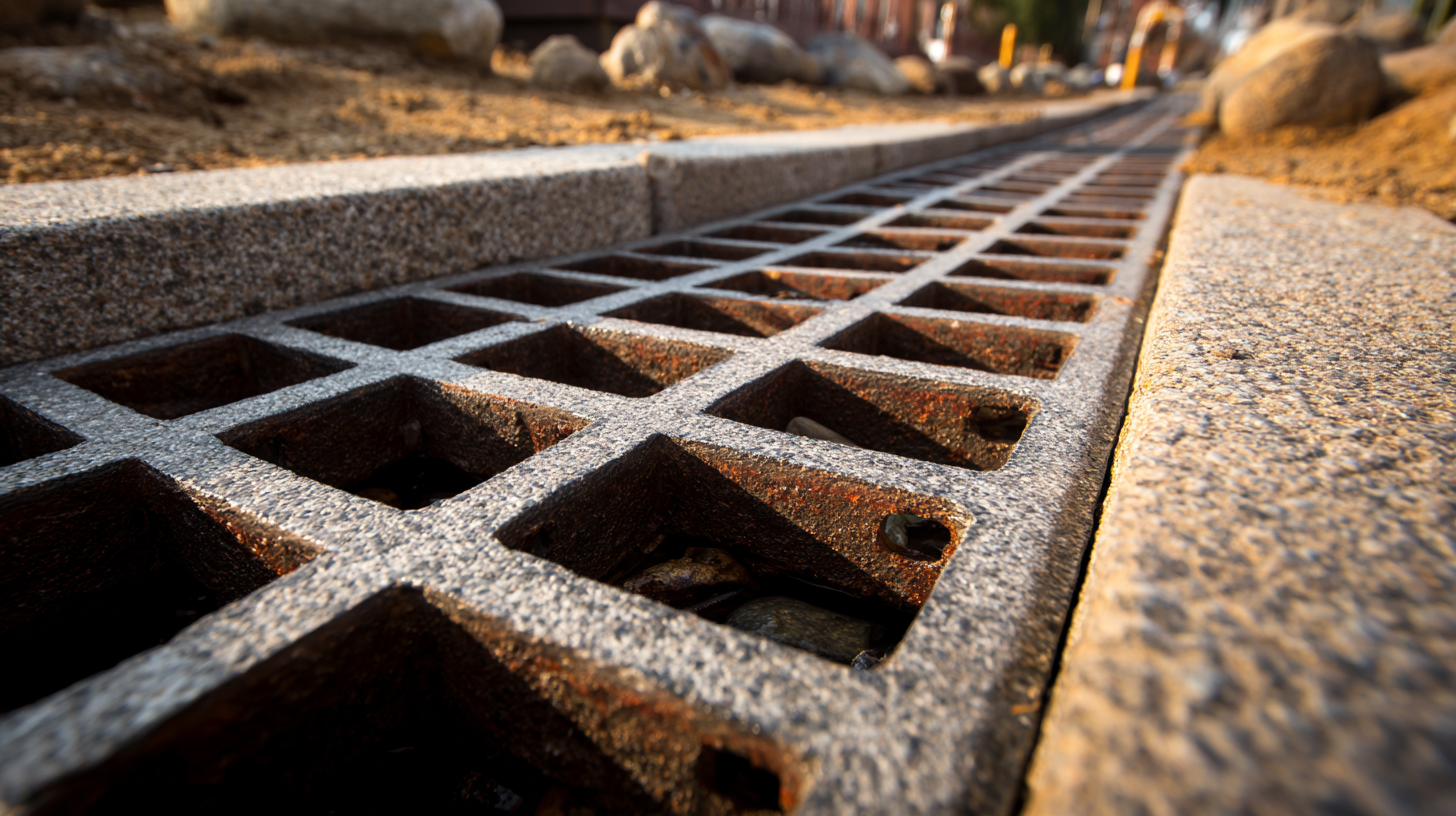
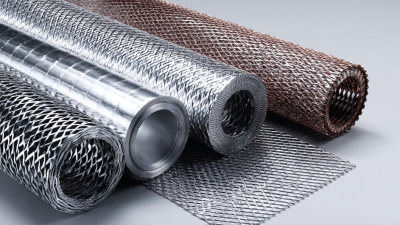
When it comes to enhancing your home landscape's functionality and aesthetics, selecting the right trench drain grate is crucial. Trench drain grates play a vital role in managing water runoff, preventing pooling, and maintaining a healthy environment in your outdoor space. With various types of grates available, understanding their differences is essential for making an informed choice tailored to your specific needs. Factors such as material, load capacity, and design can significantly impact both the effectiveness and the appearance of your drainage system. In this guide, we will explore the various types of trench drain grates, their benefits, and the key considerations to keep in mind when integrating them into your landscape. By the end, you will have the knowledge needed to choose the most suitable trench drain grate that not only meets practical requirements but also complements your home's aesthetic appeal.
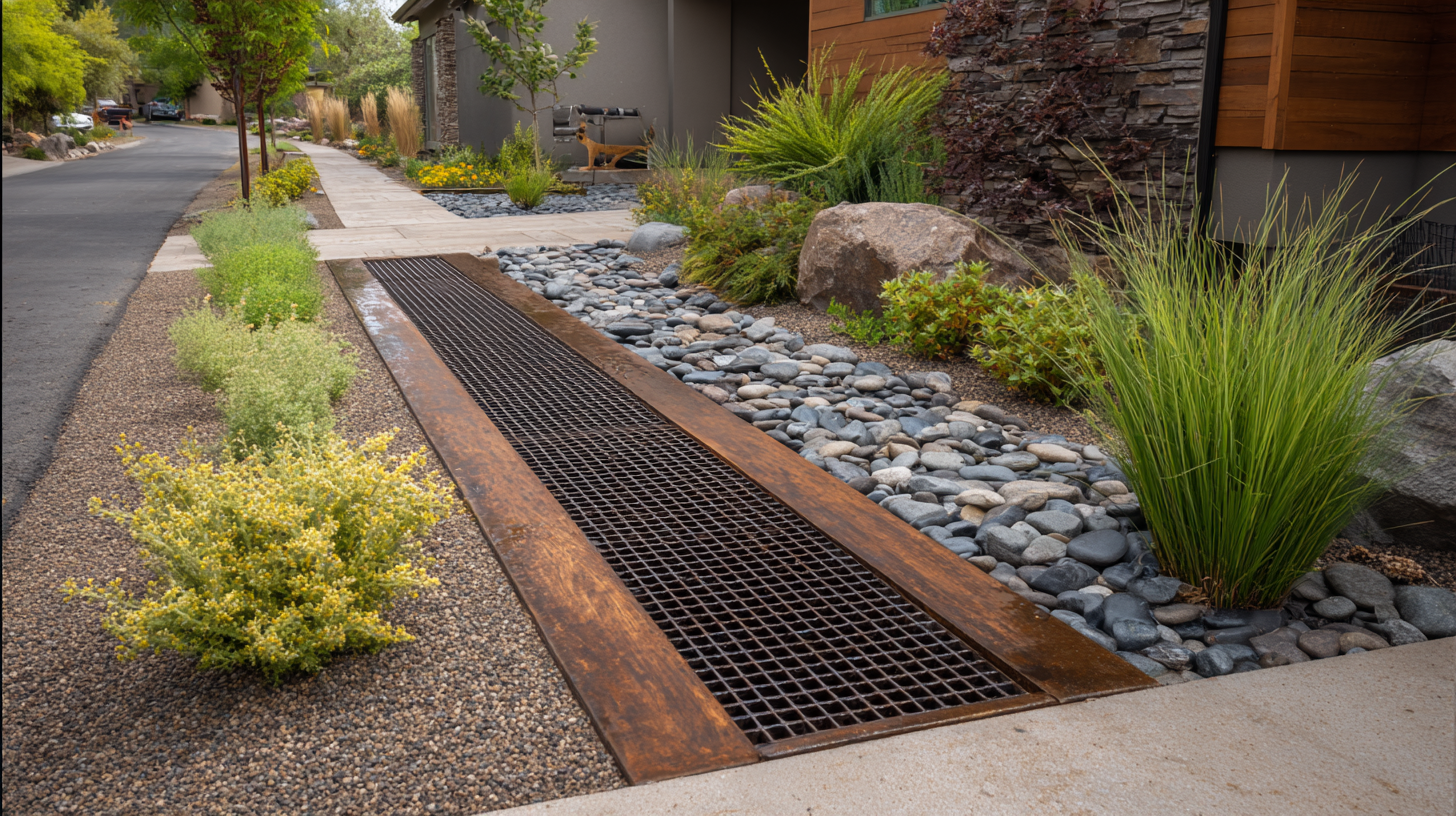
Trench drains play a vital role in landscape design by effectively managing surface water runoff, which can lead to flooding and erosion. These drainage systems consist of a channel that collects water from surrounding areas and directs it away from critical structures like homes and patios. By positioning trench drains strategically throughout the landscape, homeowners can prevent water from pooling in unwanted places, thus safeguarding both the aesthetic appeal and structural integrity of their property.
Additionally, trench drains contribute to the overall functionality of outdoor spaces. They can be integrated seamlessly into pathways, driveways, and gardens without disrupting the visual flow of the landscape. The right trench drain grate not only facilitates proper drainage but also enhances the aesthetic coherence of the surrounding environment. Selecting materials and designs that align with your landscape's style ensures that trench drains serve their purpose effectively while complementing your home's overall design.
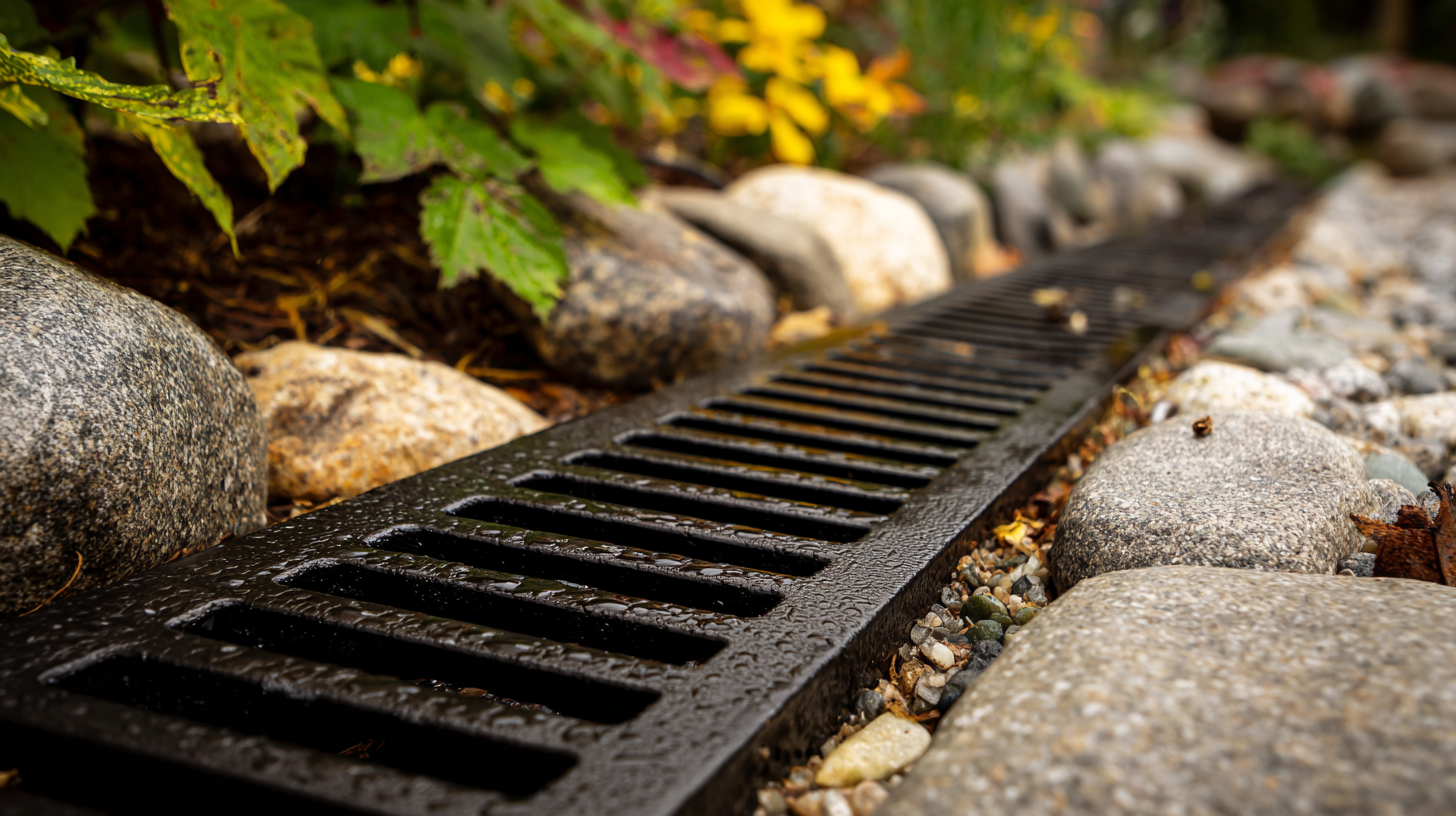
When considering the right trench drain grate for your home landscape,
it's essential to first identify your landscape's drainage needs and challenges.
According to a report by the American Society of Civil Engineers,
improper drainage can lead to up to $9 billion in property damages annually
due to flooding and water pooling. This data underscores the importance of selecting an appropriate drainage solution
tailored to your specific environment.
Different landscapes present unique drainage issues,
ranging from heavy rainfall in some regions to soil types that retain water.
A study by the University of California found that clay soils can exacerbate drainage problems,
leading to surface runoff and erosion. Therefore, homeowners should assess their local climate,
soil composition, and landscape features to determine the most effective trench drain grate material,
whether it be polymer, stainless steel, or cast iron,
to ensure optimal water management and prevent potential flooding.
Understanding these factors will enable homeowners to make informed decisions that protect their properties
while enhancing their landscape aesthetics.
When selecting trench drain grates for your home landscape, it's essential to understand the various types available to meet your specific needs. Trench drains serve as an effective solution for managing surface water runoff, and their grates are crucial in determining the functionality and aesthetics of the drainage system. Common materials for trench drain grates include steel, polymer, and aluminum, each offering distinct advantages. Steel, for instance, is highly durable and suitable for heavy-load areas such as driveways, while polymer grates are lightweight and often favored for residential applications due to their resistance to corrosion.
Recent studies highlight the importance of proper drainage in mitigating the impacts of extreme weather, such as prolonged droughts and heavy rains. According to industry reports, effective drainage systems can reduce water runoff by up to 70%, significantly decreasing soil erosion and improving water quality in surrounding environments. Furthermore, integrating quality drainage systems helps in maintaining healthier landscapes, as seen in research that shows a positive correlation between effective drainage and plant health. By choosing the appropriate trench drain grate, homeowners can enhance their landscape's resilience against climate variability, ensuring both functionality and aesthetic appeal.
When selecting a trench drain grate for your home landscape, material considerations play a crucial role in determining its durability. The most common materials available include plastic, metal, and concrete. Plastic grates are lightweight and resistant to corrosion, making them a popular choice for residential applications; however, they may not withstand heavy loads or extreme temperatures as well as other materials.
Metal grates, such as those made from stainless steel or ductile iron, offer superior strength and durability. They can effectively handle heavy traffic and resist severe weather conditions, ensuring a long lifespan. Stainless steel, in particular, is admired for its resistance to rust and its sleek appearance, which can enhance your landscape's aesthetic. On the other hand, concrete grates are robust and provide excellent load-bearing capabilities, making them ideal for areas with high foot or vehicle traffic. By carefully considering the material properties and their impact on performance, you can select the best trench drain grate that meets your specific landscape needs.
| Material | Durability Rating | Weight Capacity (lbs) | Corrosion Resistance | Maintenance Level |
|---|---|---|---|---|
| Plastic | Moderate | 300 | High | Low |
| Aluminum | High | 600 | Moderate | Medium |
| Cast Iron | Very High | 1200 | Low | High |
| Stainless Steel | Very High | 800 | Very High | Medium |
| Fiberglass | Moderate | 400 | High | Low |
When selecting a trench drain grate, aesthetic factors play a crucial role in ensuring that the design complements your home’s overall style. The right grate not only serves a functional purpose but also enhances the visual appeal of your landscape. For modern homes, sleek metal grates with clean lines can create a minimalist look that aligns perfectly with contemporary design principles, while decorative grates with intricate patterns may be better suited for traditional or rustic homes, adding a charming element to the outdoor space.
Color and material selection are also important considerations in matching the grate to your home's architecture. Grates made from natural stone can blend seamlessly with garden pathways, whereas painted aluminum options can be tailored to match the exterior colors of your home. By carefully choosing trench drain grates that resonate with the existing color palette and architectural elements, homeowners can create a harmonious outdoor environment that elevates both functionality and style.