
Choosing the right materials for your outdoor projects is crucial. WPC Classic Decking is a popular choice due to its durability and aesthetic appeal. Many homeowners appreciate its wood-like finish and low maintenance requirements.
When selecting WPC Classic Decking, consider the environment where it will be used. Different colors and textures can dramatically change the look of your space. It’s important to assess the specific needs of your project. Are you looking for slip-resistance? Or perhaps something that can withstand harsh weather conditions?
Reflect on your budget and long-term goals. WPC Classic Decking can sometimes come at a higher price point. However, investing in quality material often pays off in durability and longevity. Take your time to research options and consult with experts to ensure a successful project. Your decking choice will impact your space for years to come.
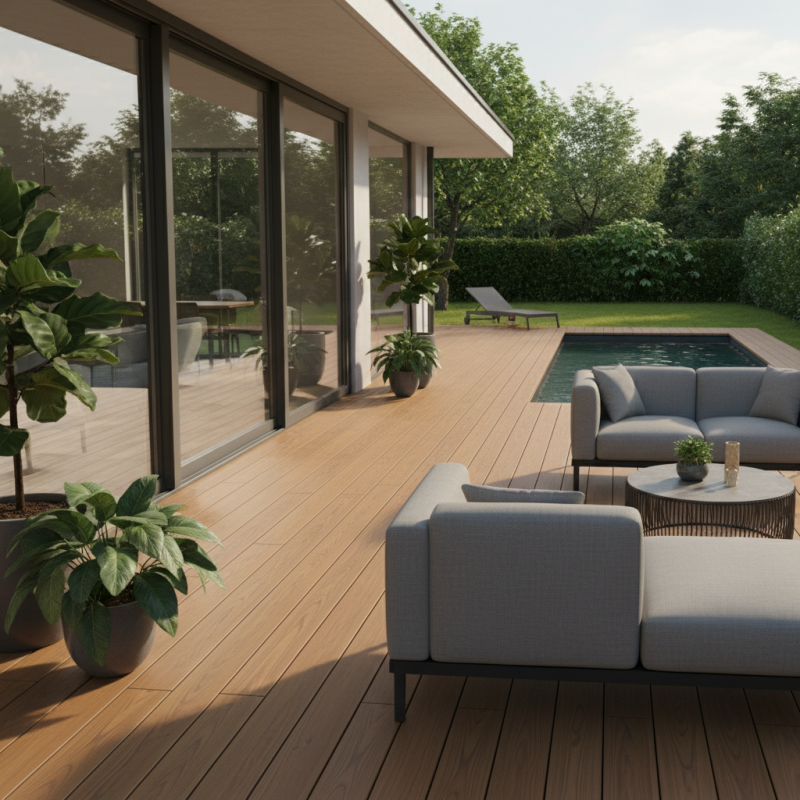
WPC Classic Decking combines wood and plastic, creating an attractive and durable option for outdoor spaces. Its key features include resistance to fading, termites, and rot. According to a 2022 market report, the global WPC decking market is expected to grow at a CAGR of 8.3%. This steady demand indicates a strong preference among homeowners for long-lasting materials.
One of the greatest advantages of WPC decking is its low maintenance requirement. Unlike traditional wood, it doesn’t require annual staining or sealing. Research suggests that WPC decking retains its aesthetic appeal for over 25 years. However, despite its benefits, some users report concerns about heat retention in direct sunlight. In warmer climates, this could be a consideration.
Another significant feature is the eco-friendliness of WPC materials. Made from recycled wood fibers and plastic, it contributes to sustainability efforts. Homeowners looking for green alternatives appreciate this aspect. Yet, WPC production can still have environmental footprints, prompting discussions about improving manufacturing processes. Striking a balance between material benefits and environmental impacts is essential for future innovations.
When selecting the best WPC classic decking, evaluating your project needs is crucial. Start with size. Measure your space carefully. Consider how much area needs to be covered. If you have a small balcony, you may need a different approach than a large patio. Think about how people will interact with the space. Will it host family gatherings or quiet evenings?
Next, style plays a vital role. WPC decking comes in various colors and textures. Choose a style that complements your home and surrounding landscape. Visualize how the decking will look after installation. A harmonious design enhances the overall aesthetic. It’s essential to consider the existing architecture and landscaping for seamless integration.
Functionality cannot be overlooked. Think about durability and maintenance needs. Some options might require frequent cleaning, while others are low-maintenance. Reflect on the climate and location. Will moisture be a problem? Factors like these can influence your choice significantly. Make a list of your priorities. Balancing aesthetics, size, and practicality will lead you to the right decking solution.
| Dimension | Description | Importance |
|---|---|---|
| Project Size | Consider the total area to be covered and the specific dimensions required. | High |
| Style | Choose a color and texture that complements your outdoor space. | Medium |
| Functionality | Determine if the decking will be used for entertaining, lounging, or family activities. | High |
| Budget | Analyze the overall cost including materials and installation. | High |
| Maintenance | Consider the upkeep required over time, including cleaning and repairs. | Medium |
When considering decking options, it’s essential to compare WPC (Wood Plastic Composite) to traditional wood. Each material has unique benefits and drawbacks. WPC is composed of recycled wood fibers and plastic, leading to reduced environmental impact. According to a 2022 report from the National Association of Home Builders, about 40% of deck builders prefer WPC due to its durability.
Traditional wood decking, such as pressure-treated lumber, often requires more maintenance. It typically needs staining or sealing every few years, adding to the overall cost. A study from the American Wood Council indicates that wood can warp or crack over time due to moisture and weather exposure. Conversely, WPC is resistant to rot and insects, appearing as an attractive option for long-term projects.
However, WPC doesn’t achieve the same aesthetic appeal as natural wood. Many buyers appreciate the classic look of wood grain. Uneven coloring in some WPC products can be a concern, impacting visual appeal. Homeowners must weigh durability against aesthetics carefully. In the end, the choice depends on project goals and personal preferences.
Choosing colors and textures for WPC (Wood-Plastic Composite) classic decking is crucial. The right selections enhance both aesthetics and functionality. Data from the American Institute of Architects reveals that color choice significantly impacts buyer perception. Neutral tones like grays and browns are popular. They offer a sense of modernity and blend well with natural surroundings.
Textures play a key role as well. Smooth surfaces provide a sleek appearance. However, textured options improve slip resistance, which is vital for safety. A report from The National Association of Home Builders suggests that homes with visually appealing outdoor spaces can sell for up to 12% more. Thus, it’s essential to balance beauty and practicality when selecting your deck.
Tip: Consider the overall style of your property. Choosing complementary colors can create a cohesive look. Think about how the decking will match your home's exterior and landscaping. Reflect on the long-term maintenance of your color choice. Darker shades may fade faster, while lighter colors can show dirt more easily. Ultimately, your selections should resonate with your vision and lifestyle.
When selecting WPC Classic decking, the decision between DIY installation and hiring a professional can be complex. Assessing your skill level is crucial. If you have experience with outdoor projects, you might consider going the DIY route. However, if you lack confidence, seeking professional help could save you time and frustration.
Consider the intricacies involved in installation: Accurate measurements are vital. Any miscalculation can lead to waste or uneven surfaces. Tools are another factor; having the right tools makes a big difference. Professionals often have access to specialized equipment that can create a polished finish.
Tips: If you choose DIY, practice on smaller sections first. Take your time to learn each step. For professionals, research local contractors and read reviews to find reliable options. Ensure they have experience with WPC decking specifically. This will help avoid issues during installation and ensure your project is a success.
