
How to Choose the Best Solid Welding Wire for Your Needs?

In the realm of welding, selecting the right Solid Welding Wire is crucial for achieving quality results. According to industry expert, James Anderson, "The choice of welding wire can make or break a project." This insight emphasizes the significance of understanding your specific needs.

Solid welding wire varies in composition, diameter, and coating, all impacting the welding process. For example, a finer wire may be better for thinner materials, while a thicker gauge works well for robust structures. Without proper knowledge, you may end up with subpar welds. A well-informed decision can enhance both the durability and appearance of your projects.

Welding professionals often overlook the importance of wire selection. Many mistakenly assume all wires are interchangeable. This common misconception can lead to costly rework and wasted materials. Exploring the characteristics of Solid Welding Wire and aligning them with your project requirements is essential for optimal performance.
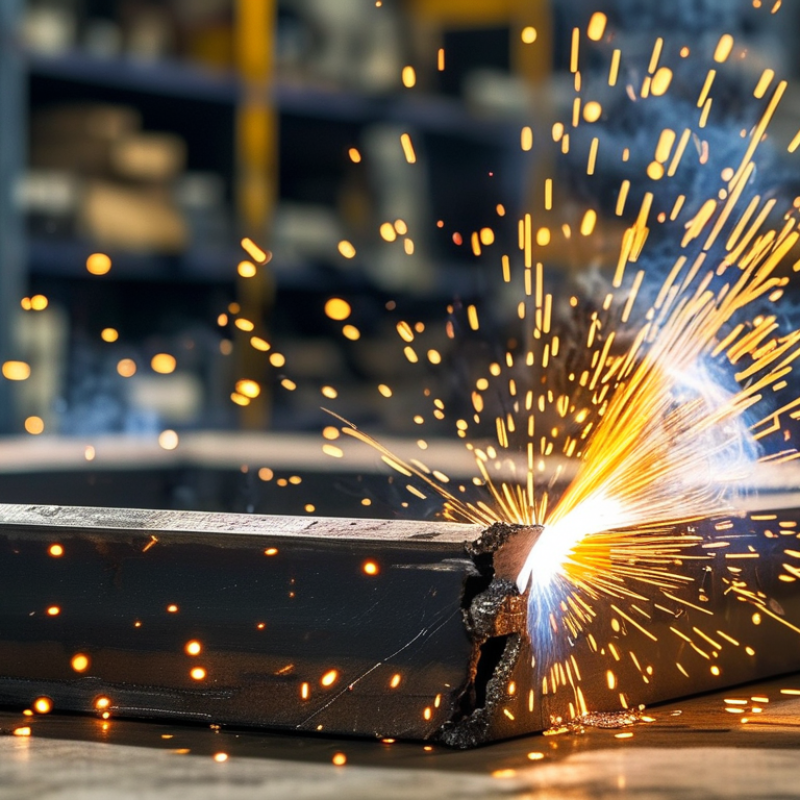
How to Choose the Best Solid Welding Wire for Your Needs?

Factors to Consider When Selecting Solid Welding Wire

When selecting solid welding wire, several factors must be taken into account to ensure optimal results. The type of material being welded is crucial. For instance, carbon steel requires different wire than stainless steel. The American Welding Society recommends ER70S-6 wire for carbon steel applications. This wire contains deoxidizers, making it ideal for welding in various positions.

Another essential aspect is the diameter of the welding wire. Common sizes range from 0.030 to 0.045 inches. A thicker wire provides higher deposition rates, which can improve productivity. However, it may also require more heat input. According to industry reports, productivity can increase by 30% when the right wire diameter is chosen for the task.

Welding parameters such as shielding gas also play a vital role. For example, using a mixed gas can enhance the arc stability. Data indicates that using a blend of argon and CO2 can yield better penetration and minimize spatter. These details stress the importance of understanding not only the wire type but also the overall welding setup, as improper choices can lead to defects and inefficiencies.

Types of Solid Welding Wire and Their Applications

When selecting solid welding wire, understanding its types and applications is crucial. Common types include ER70S-6 and ER70S-3. ER70S-6 is popular for its versatility. It's suitable for welding carbon steel and can handle dirty or rusty surfaces. Data shows that around 65% of welders prefer ER70S-6 for mild steel applications due to its low spatter rate and clean finish.

Another type is ER70S-3, which is often used in structural welding. It offers good flow characteristics but lacks the alloying elements that enhance toughness. According to industry reports, about 30% of structural projects utilize ER70S-3 for its cost-effectiveness and easy availability.

Understanding these differences can sometimes be convoluted. Not all projects fit neatly into one wire category. Welders may find themselves experimenting with various types, which can lead to increased costs. However, through experience and gathering feedback from peers, one can navigate these challenges effectively. With proper application, the right welding wire can lead to high-quality welds and increased efficiency in the long run.

Understanding Welding Wire Specifications and Standards

When selecting welding wire, understanding specifications is crucial. Each type of wire has specific properties determined by its composition. These properties affect strength, ductility, and compatibility with various welding processes. A wire suitable for one application may not perform well in another, highlighting the importance of informed choices.

Welding standards, such as AWS and ISO, provide critical guidelines. They help ensure safety and quality in welding. Familiarizing oneself with these standards can prevent issues during projects. An incorrect wire choice can lead to weak welds or increased defects. Assessing wire thickness, alloy type, and tensile strength becomes essential for matching wire to your specific needs.

Experience plays a significant role in this decision-making. New welders might overlook subtle differences in wire types. Consulting with experienced professionals can offer valuable insights. Learning through practice is equally important. It's common to make mistakes and face challenges when choosing welding wires. Reflecting on these experiences can lead to improved decision-making in the future.

Welding Wire Material Types and Their Applications

This chart displays the common types of solid welding wires used in various applications, along with the relative usage frequency. Understanding these specifications is crucial for choosing the right welding wire for your needs.

How to Match Welding Wire with Base Materials

When it comes to welding, choosing the right wire is crucial. The welding wire must align with the base materials you are working with. Different metals require specific wires to ensure strong bonding and lasting durability. For instance, if you're working with carbon steel, your wire needs to have the right chemical composition. This can affect the strength and flexibility of the weld.

Consider the type of base material you are using. Stainless steel, aluminum, and copper all have distinct properties. Each of these metals requires a dedicated welding wire to perform effectively. Not all combinations are suitable. Mistakes can lead to weak welds or poor appearance. It’s essential to analyze your project thoroughly.

Sometimes, welders overlook the importance of filler metals. This can result in issues during the welding process. Reflect on your choices. Are you confident in the materials you are using? Conduct research and seek advice when needed. Proper preparation can save you time and materials in the long run.

Tips for Evaluating Quality and Performance of Welding Wire

Choosing the right solid welding wire is crucial for achieving optimal results. When evaluating its quality and performance, consider the material composition. Different welding wires serve various applications, and the right choice depends on the metal you are working with. For example, ER70S-6 is popular for mild steel, while stainless steel requires a different alloy.

Examine the wire's diameter. A thinner wire is often suitable for smaller jobs or intricate work, but it might not provide the strength needed for heavier tasks. Conversely, a thicker wire is better for robust welds. This does not mean thicker is always better; it often depends on the project specifics. Check user reviews and seek advice from experienced welders. Their insights can reflect real-world performance.

Don't overlook the storage conditions of the wire. Welding wire can degrade if exposed to moisture or contaminants. This factor affects its reliability during use. Consider the packaging as well; it should protect the wire until you need it. Evaluate these aspects before making your purchase to ensure a successful welding outcome.

How to Choose the Best Solid Welding Wire for Your Needs?

Parameter Description Recommended Value
Wire Diameter The thickness of the welding wire, impacting the weld pool size and penetration. 0.8 mm - 1.2 mm
Material Type The base material the wire is designed to work with, such as mild steel, stainless steel, or aluminum. Mild steel (ER70S-6)
Ductility The ability of the wire to deform without breaking, crucial for impact-resistant welds. High (≥20%)
Tensile Strength The maximum stress that a material can withstand while being stretched or pulled. ≥ 450 MPa
Welding Position Refers to the orientation of the workpiece during welding: flat, horizontal, vertical, or overhead. Flat/Horizontal
Shielding Gas The type of gas used to protect the weld area from atmospheric gases. 75% Argon, 25% CO2