
Choosing the right flooring can significantly impact your home's aesthetic and functionality. Porcelain floor tiles have gained popularity for their durability and style. These tiles can mimic natural stone or wood, providing a luxurious look without the high maintenance.
When selecting porcelain floor tiles, consider your lifestyle and the specific needs of each room. Different tiles offer varying levels of slip resistance, which is crucial in areas like bathrooms or kitchens. The range of colors and patterns can be overwhelming, and the wrong choice may not reflect your personal style. It's essential to envision how the tiles will complement your existing decor.
Gauging the quality of porcelain floor tiles is vital. Not all tiles are created equal; some may warp or chip over time. Researching reputable brands can save you frustration later on. Take your time, weigh your options, and don’t shy away from asking for samples. The perfect tiles should combine both beauty and functionality, making your home inviting and practical.
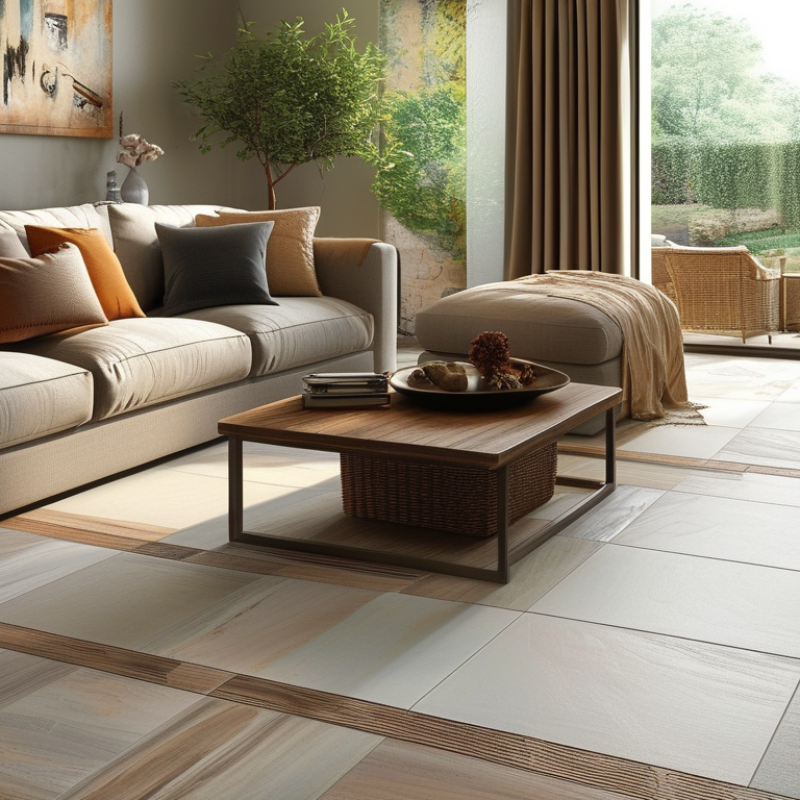
When choosing porcelain floor tiles, understanding the different types available is key. Porcelain tiles are known for their durability and versatility. They come in various types, each offering unique properties. For instance, through-body porcelain is crafted from natural clay and minerals, boasting color consistency from top to bottom. This makes it ideal for high-traffic areas, as any chips or scratches won't show.
Another type is glazed porcelain. This variety features a glass-like finish, making it available in many colors and designs. The glaze offers an additional layer of moisture resistance, which is useful in kitchens and bathrooms. However, some users might find that the shiny surface can be slippery when wet. It's worth considering anti-slip options if safety is a concern.
Moreover, polished porcelain tiles give a sleek appearance. They have a high gloss finish, enhancing light reflection in a room. Yet, the reflective surface may require more frequent cleaning to maintain its luster. It's essential to weigh the aesthetic appeal against the practical maintenance involved. Always consider your lifestyle before making a decision, as some tiles may not be suited for every household.
When selecting porcelain floor tiles for your home, several critical factors must be examined. The ideal tile choice enhances aesthetics while ensuring durability. Porcelain tiles are made from dense clay, which is fired at high temperatures. This process grants them exceptional hardness and water resistance. According to the Tile Council of North America, porcelain tiles have a water absorption rate of less than 0.5%. This makes them suitable for wet areas like bathrooms and kitchens.
Color and texture are essential for visual appeal. Popular trends include large format tiles that create a seamless look. Statistics show that textured finishes are gaining popularity for their slip-resistant properties. This is particularly important in home environments with children or pets. Additionally, consider the size of the space. Larger tiles can make a small room feel more expansive, but they may also require more cutting and adjustments during installation.
Tip: Always request samples to see how tiles look in different lighting conditions. This helps avoid mismatches with your home’s decor.
Another factor to ponder is the tile’s PEI (Porcelain Enamel Institute) rating. This rating indicates the tile's resistance to abrasion. However, not all tiles are suitable for every room. High-traffic areas demand tiles with higher PEI ratings. Be cautious; opting for visually stunning tiles without considering functionality can lead to regrets.
Tip: Balance aesthetic choices with practical requirements to ensure longevity and satisfaction.
When evaluating tile size and format, consider the dimensions of your space carefully. Large tiles can create a sense of openness in small rooms. They reduce the number of grout lines, making the floor look seamless. This effect can make even a tiny area appear more spacious. However, in vast spaces, smaller tiles can add texture and depth, creating visual interest.
Think about the pattern and layout as well. Rectangular tiles can be arranged in different orientations. A herringbone pattern can infuse energy into a living room, while a straight lay method provides a classic look. Test samples in your home to see how they fit with your lighting and decor. Don't rush this process; sometimes, it takes time to find the right combination that feels just right.
Don't forget to account for the functionality of different sizes. Large tiles might be more challenging to install if your floor isn't perfectly level. On the other hand, smaller tiles can offer flexibility in uneven spaces. Be prepared for some trial and error in determining the best fit for your home. Each choice carries its unique challenges, and finding the perfect balance can be rewarding.
Choosing the right porcelain floor tiles involves a keen eye for color, texture, and design. The right choice can significantly enhance your home’s aesthetic. Reports from industry experts suggest that 40% of homeowners prioritize color when making flooring decisions. Shades like soft greys and earthy tones are becoming increasingly popular due to their versatility. However, opting for trendy colors without considering long-term appeal can lead to quick regrets.
Texture plays a crucial role too. Tiles with a matte finish are often preferred for their slip-resistance and ease of cleaning. Data indicates that textured surfaces can reduce slips by up to 30%. However, while they offer practical benefits, they may require more effort to maintain. A balance between aesthetics and functionality is essential. Identifying the right texture for different spaces matters, as not all textures suit every area in a home.
Design aesthetics cannot be overlooked either. Patterns and styles should complement the overall architecture and decor. Some trends may look appealing initially but can feel dated quickly. A timeless design can save costs in the long run. Consulting professionals for guidance can help prevent common mistakes. Making choices based on personal taste, rather than fleeting trends, often leads to enhanced satisfaction.
| Feature | Options | Considerations |
|---|---|---|
| Color | Neutral (Gray, Beige), Bold (Blue, Red), Earthy Tones (Brown, Green) | Match existing decor, Light vs. dark rooms, Space perception |
| Texture | Glossy, Matte, Textured (Wood-like, Stone-like) | Slip resistance, Maintenance, Feel underfoot |
| Pattern Design | Solid, Geometric, Wood Plank, Mosaic | Personal style, Mix-and-match capabilities, Visual impact |
| Size | Small (4x4 in), Medium (12x12 in), Large (24x24 in) | Room size compatibility, Installation complexity, Grout lines visibility |
| Finish | Polished, Honed, Natural | Durability, Cleanability, Overall appearance |
Porcelain floor tiles are known for their durability, but maintenance is crucial for long-lasting beauty. According to industry reports, high-quality porcelain tiles can withstand heavy foot traffic and resist stains. They are fired at very high temperatures, giving them strength. However, proper cleaning methods are essential. Many homeowners overlook routine maintenance, which can lead to dull surfaces over time.
Regular sweeping and mopping with mild detergents can preserve the tile's sheen. Neglecting this can cause a build-up of dirt and grime, dulling their appearance. It's also important to address spills immediately, as certain substances can etch the glaze. Experts recommend sealing grout lines to enhance water resistance and keep them looking fresh. Grout can be more vulnerable to staining compared to the tiles themselves.
Durability is often touted, yet it is not absolute. While porcelain tiles resist scratching, they may chip if heavy objects are dropped. In spaces with high moisture, ensuring appropriate drainage is vital to prevent water damage. Many ignore the importance of a professional installation, which heavily influences the longevity of the tiles. Following these practices ensures that your porcelain tiles remain both beautiful and functional for years to come.
