2025 How to Choose the Best Aluminum Stair Treads for Safety and Durability
When it comes to ensuring safety and durability in construction and renovation, the choice of materials is crucial. One such essential component are aluminum stair treads, which not only enhance the aesthetics of a space but also provide superior slip resistance and longevity. As industry expert John Sterling, a noted architect specializing in safety design, once said, "The right stair treads can be the difference between a safe passage and an accident waiting to happen." This statement underscores the importance of selecting the right aluminum stair treads for your projects.
In the ever-evolving world of construction materials, understanding the various types and characteristics of aluminum stair treads will empower homeowners, builders, and architects to make informed decisions. As we delve into the process of choosing the best aluminum stair treads, we will explore crucial factors, including material quality, slip resistance ratings, and environmental considerations. Through this guide, we aim to equip you with the knowledge needed to prioritize both safety and durability in your stair design, ultimately leading to a more secure environment for all users.
Why Aluminum Stair Treads Are Essential for Safety in High-Traffic Areas
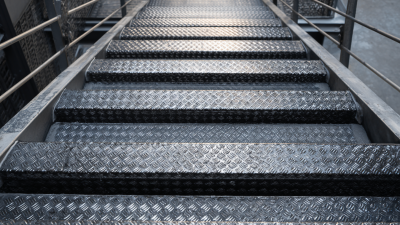
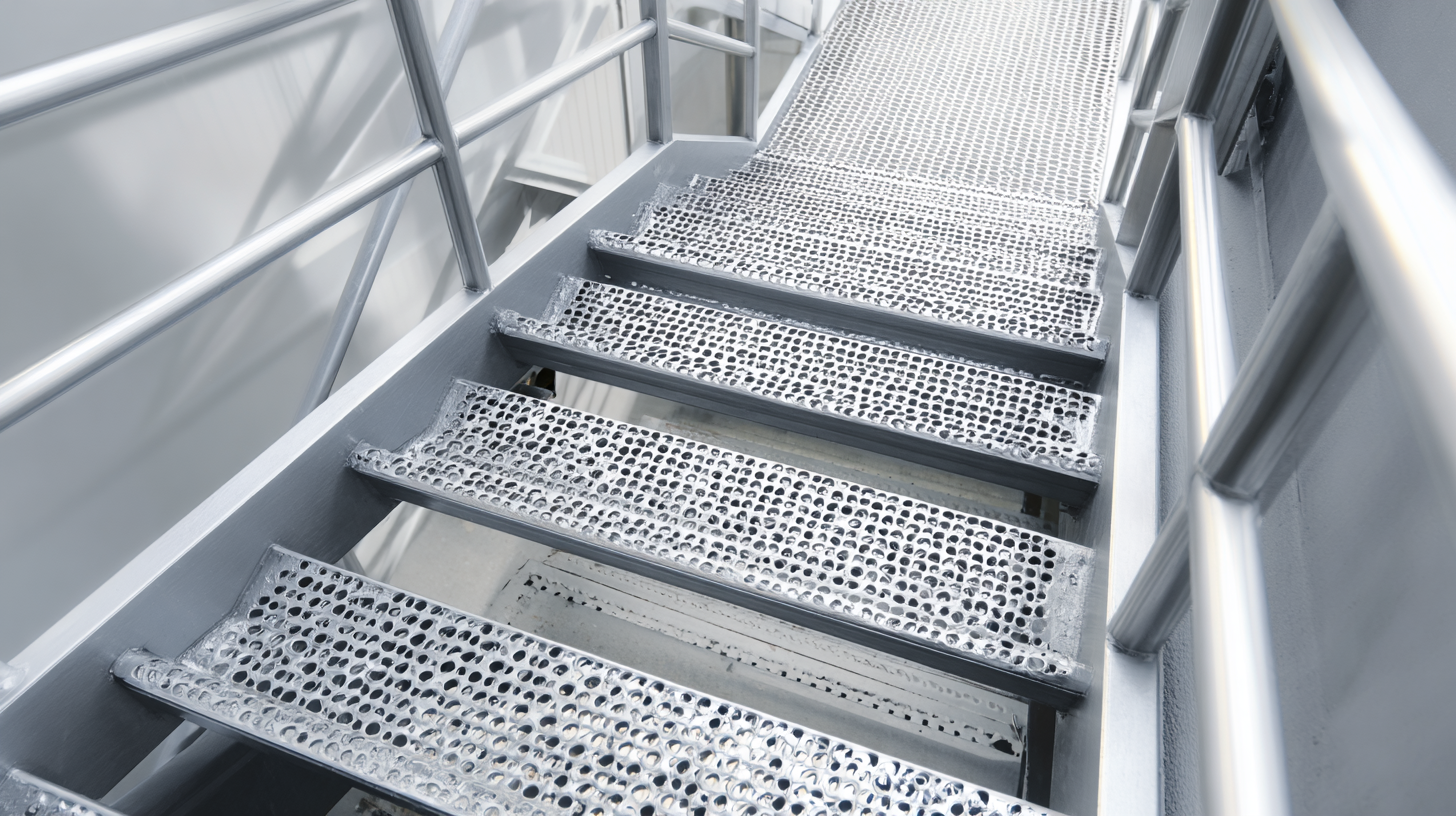 Aluminum stair treads are becoming increasingly essential for ensuring safety in high-traffic areas. Their robust construction makes them highly durable, ideal for environments that experience frequent foot traffic, such as commercial buildings, schools, and public facilities. The anti-slip features of these treads add an additional layer of safety, minimizing the risk of accidents even in wet or greasy conditions. This is crucial for places that require reliable egress systems and safe exit paths, as highlighted by recent enhancements in stair safety design.
Moreover, the aesthetic versatility of aluminum stair treads provides a functional yet stylish solution for modern architecture. With various color options and finishes available, these treads can complement any design while enhancing the overall safety of staircases. Innovations in lighting integration, such as photoluminescent features, further improve visibility and safety, especially in emergency situations. As we look towards 2025, prioritizing aluminum stair treads is not only a smart choice for durability but also a vital step in safeguarding the well-being of individuals navigating busy spaces.
Why Durability Matters: Choosing Long-Lasting Aluminum Stair Treads
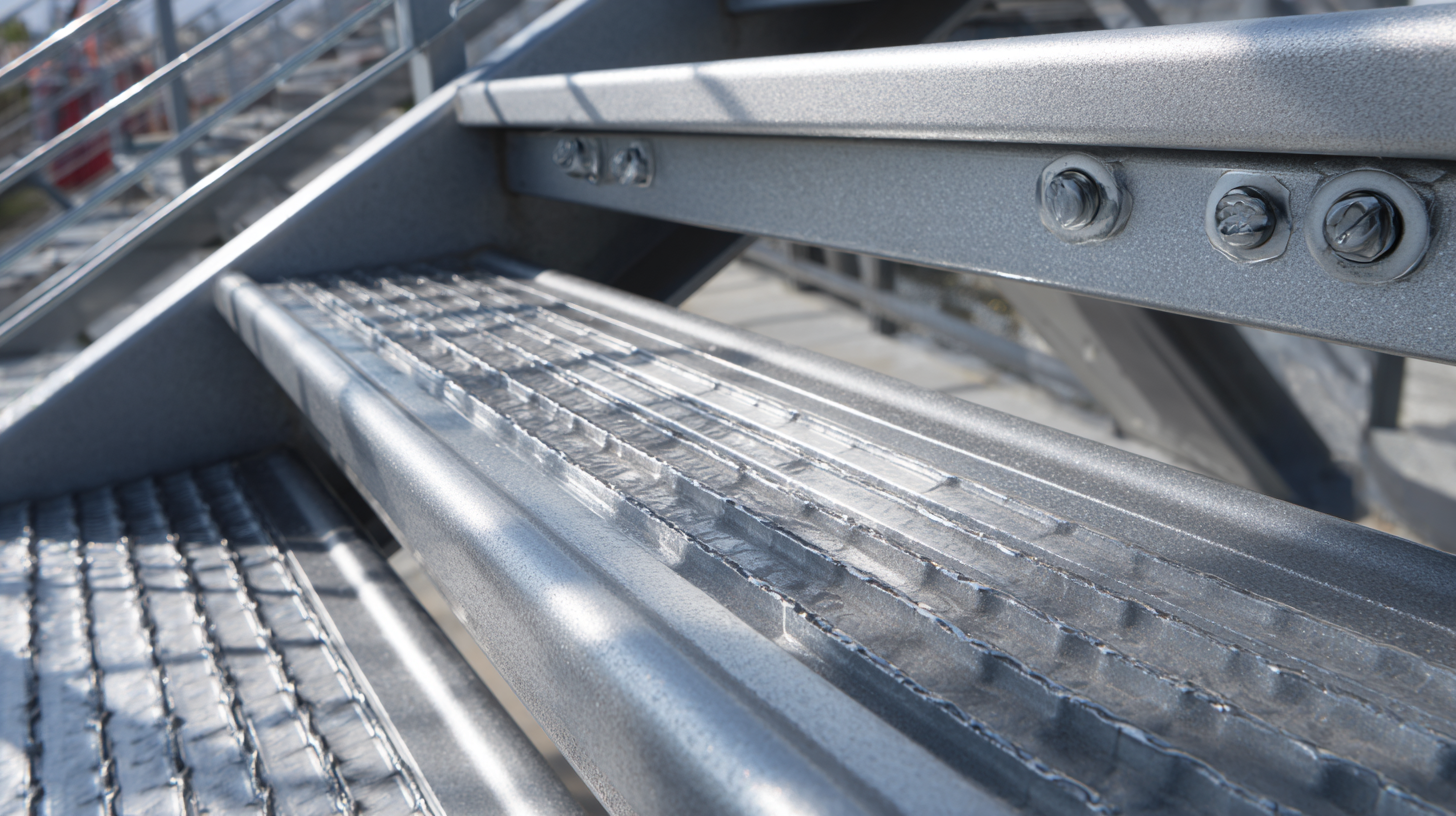 When selecting aluminum stair treads, durability is a critical factor that cannot be overlooked. The environment where these treads will be installed plays a significant role in their longevity. For instance, treads exposed to harsh weather conditions—such as heavy rain, snow, or extreme temperatures—require materials that can withstand constant wear and tear without succumbing to corrosion or warping. High-quality aluminum alloys are designed to resist these elements, ensuring that your investment remains intact over time.
In addition to environmental factors, the design and manufacturing process also contribute to the overall durability of aluminum stair treads. Look for treads that feature non-slip surfaces and additional coatings that enhance resistance to scratching and oxidation. These characteristics not only prolong the life of the treads but also ensure safety for users, as slipping hazards are minimized. By prioritizing durability in your selection process, you can choose aluminum stair treads that provide long-lasting performance and safety, making them a wise choice for both residential and commercial applications.
Why Slip Resistance is a Key Feature in Aluminum Stair Treads
When selecting aluminum stair treads, slip resistance is arguably the most crucial feature to consider.
Stair treads that lack adequate slip resistance can lead to accidents, especially in high-traffic areas or environments exposed to moisture. In workplaces, residential settings, and public spaces, ensuring that stair treads provide a secure footing can significantly reduce the risk of slips and falls, protecting both users and property owners from potential liabilities.
Aluminum stair treads come in various surface textures designed to enhance grip underfoot. Features such as serrated edges or built-in coatings can improve traction, even in wet or oily conditions. By choosing treads engineered for slip resistance, users can ensure safety without compromising on durability. Furthermore, incorporating reflective strips or contrasting colors can increase visibility, further enhancing safety.
Ultimately, investing in high-quality aluminum stair treads with excellent slip resistance is essential for maintaining safety and preventing accidents in any environment.
Why Customization Options for Aluminum Stair Treads Enhance Safety
When considering aluminum stair treads, customization options can significantly enhance both safety and durability. According to a report by the National Safety Council, slips and falls account for over 8 million emergency room visits annually, making the choice of materials and design crucial. Customized aluminum stair treads can feature tailored non-slip surfaces that exceed standard safety requirements, providing a secure footing. Additionally, adjusting dimensions to fit specific stair configurations ensures a perfect fit, reducing the risk of tripping hazards.
**Tips:** When selecting aluminum stair treads, look for options with variable surface textures. Treads with raised patterns or grooves can provide increased traction, particularly in wet or icy conditions. Moreover, incorporating color contrast in the treads can further enhance visibility, aiding individuals with visual impairments.
Furthermore, customization extends to finishes and coatings that improve the durability of aluminum treads. Reports from the American Society for Testing and Materials indicate that powder coatings can increase the lifespan of metal products by up to 50% when compared to untreated surfaces. This not only makes for a longer-lasting installation but also ensures that the stair treads maintain their aesthetic appeal while standing up to heavy foot traffic.
2025 Aluminum Stair Treads Safety & Durability Ratings
Why Regular Maintenance is Crucial for the Longevity of Aluminum Stair Treads
Regular maintenance of aluminum stair treads is essential to ensure their longevity and performance. Over time, exposure to environmental factors such as moisture, dirt, and debris can lead to wear and tear that compromises both safety and aesthetics. By conducting routine inspections and cleanings, homeowners and facility managers can identify potential issues early, preventing more extensive damage and costly repairs in the future. Simple tasks, like removing accumulated debris and using a mild cleaning solution, can preserve the tread's finish and functionality.
In addition to cleaning, regular maintenance includes checking for signs of corrosion or physical damage. Aluminum is known for its resistance to rust, but it is not impervious to deterioration. Establishing a maintenance schedule that incorporates these inspections can help in detecting problems promptly. This proactive approach will not only extend the life of the stair treads but also enhance user safety by ensuring that the treads remain slip-resistant and structurally sound. By prioritizing maintenance, you are investing in the long-term value and reliability of aluminum stair treads.
2025 How to Choose the Best Aluminum Stair Treads for Safety and Durability
| Feature |
Description |
Importance for Safety and Durability |
| Material Quality |
High-grade aluminum with anti-corrosive coatings |
Ensures resistance to rust and extends lifespan |
| Surface Texture |
Non-slip features to enhance grip |
Reduces the risk of slips and falls |
| Load Capacity |
Designed to support significant weights |
Prevents deformation and ensures stability |
| Thickness |
Varies from 1/4 inch to 1 inch |
Affects durability and impact resistance |
| Maintenance Requirements |
Regular cleaning and inspection |
Ensures longevity and maintains safety |
| Product Warranty |
Coverage ranging from 5 to 15 years |
Provides assurance of quality and durability |