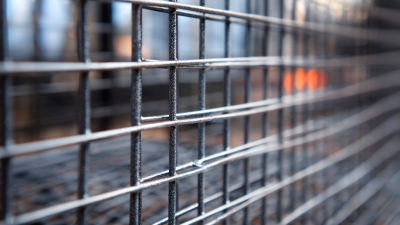
When considering fencing solutions, many homeowners overlook the benefits of welded wire. This material offers a unique combination of durability and versatility. Welded wire fences are designed to withstand various environmental conditions while providing security and visibility.
One of the most significant advantages of welded wire is its strength. Unlike traditional fencing materials, welded wire does not warp or bend easily. It retains its structure even under pressure. Additionally, the installation of welded wire can be a straightforward process, saving time and effort.
However, some may find the aesthetics less appealing. While functionality is essential, the appearance of a fence matters too. Perhaps a little creativity can enhance its visual appeal. When making choices about fencing, it is vital to weigh the pros and cons of welded wire carefully.
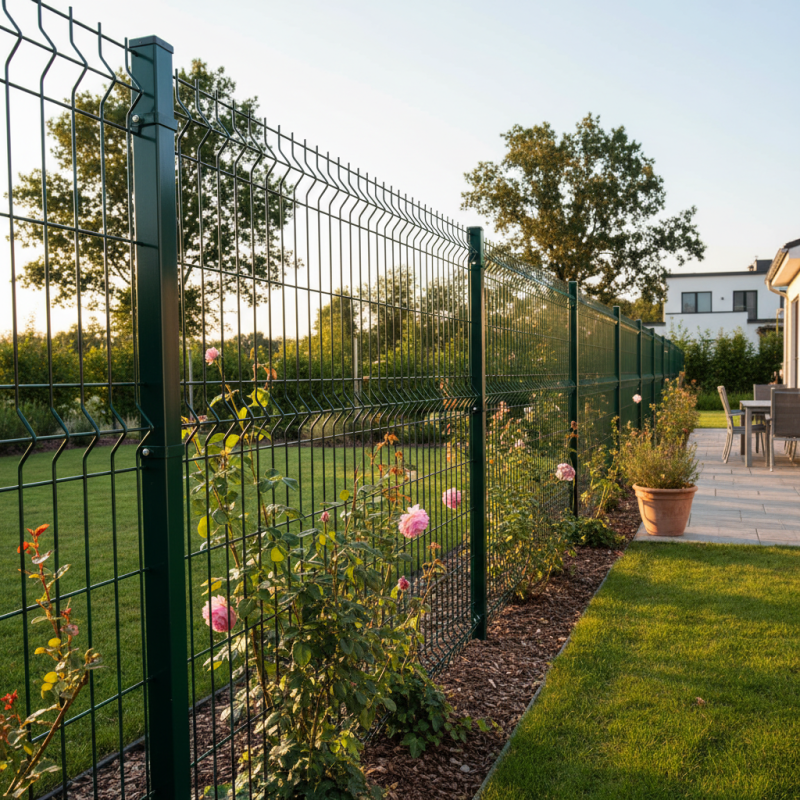
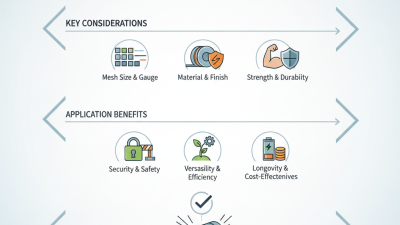
Welded wire fencing stands out for several important reasons. Its construction provides superior strength and durability. Each wire is welded at every intersection, creating a robust network that resists bending and distortion. This reliability is essential, especially in areas with harsh weather conditions.
Additionally, welded wire fencing offers excellent visibility. Unlike solid panels, it allows you to see through, making it easier to monitor your surroundings. This feature is particularly beneficial for farms or properties with livestock. However, some might find the openness less secure compared to solid fencing. It’s essential to weigh these aspects carefully.
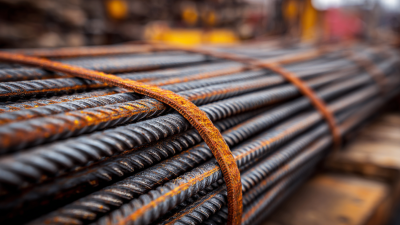
Maintenance is another factor. Welded wire fencing generally requires less upkeep. With a galvanized finish, it repels rust and corrosion. Yet, this doesn’t mean it’s infallible. Over time, rust could appear in untreated areas. Vigilance in maintenance is vital. Regular checks can prevent major issues and prolong the fence's life.
Welded wire fencing is known for its durability. It often lasts much longer than traditional fencing materials. According to the American Galvanizers Association, galvanized welded wire can withstand harsh weather conditions and resist rust. This resistance can extend the life of the fence to over 30 years.
In addition, welded wire offers a robust structure. Its interconnected design provides greater strength against impacts. A recent industry report highlighted that welded wire decreases damage rates by up to 50% in high-traffic areas. However, situations may arise where even this strong material can bend or warp. It’s important to assess your specific needs and environment.
Cost efficiency is another factor. Although initial expenses might be higher, welded wire often proves more economical in the long run. Maintenance costs tend to be lower. Regular inspections are still necessary, though. A well-maintained welded wire fence can outperform alternatives by a significant margin. It’s crucial to understand both the benefits and potential downsides for optimal investment.
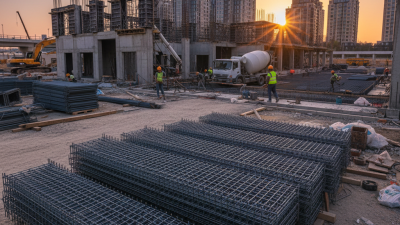
Welded wire fencing is frequently chosen for its cost-effectiveness. A recent industry report showed that businesses save up to 30% on installation costs compared to traditional fencing materials. This is largely due to the ease of handling and installation. Welded wire panels can cover large areas quickly, reducing labor hours. Quick setup means less downtime for operations.
Moreover, the durability of welded wire contributes to long-term savings. Reports indicate that well-maintained welded wire fences can last over 20 years. This longevity reduces the need for frequent replacements, further decreasing overall costs. However, some users report rust and corrosion issues in harsh environments. Investing in weather-resistant coatings can mitigate this, yet it’s an added expense that requires consideration.
Aesthetics also matter. While many appreciate the clean lines of welded wire, some feel it lacks the charm of wooden fences. Even so, its visibility can deter potential intruders. This adds an extra layer of security. The initial investment may seem daunting, but the returns—in terms of longevity and reduced maintenance—often justify it. Weighing aesthetics against functionality is crucial in the decision-making process.
Welded wire fencing offers incredible versatility, making it suitable for numerous applications. It is widely used in agricultural settings, where it provides containment for livestock. Farmers appreciate its strength and durability, which helps keep animals secure. The spacing between wires can vary, catering to different needs. This adaptability makes it a popular choice for many.
In residential areas, welded wire can be used for garden fencing. Homeowners often choose it to protect plants from pests. A decorative touch can be added with climbing plants, blending function with aesthetics. However, some may find that it lacks the privacy offered by solid panels. A thoughtful approach is needed when choosing the right style.
Tips: When installing welded wire, ensure to bury the bottom a few inches. This helps prevent animals from digging under. Regular maintenance checks will also prolong the fence's life. Adjust your expectations based on the specific application. Remember that while this material is sturdy, it may not be completely impervious to bending or corrosion over time.
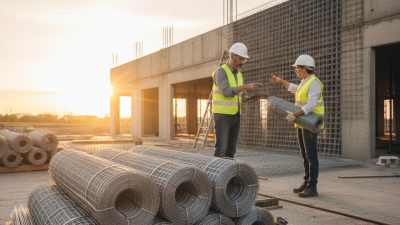
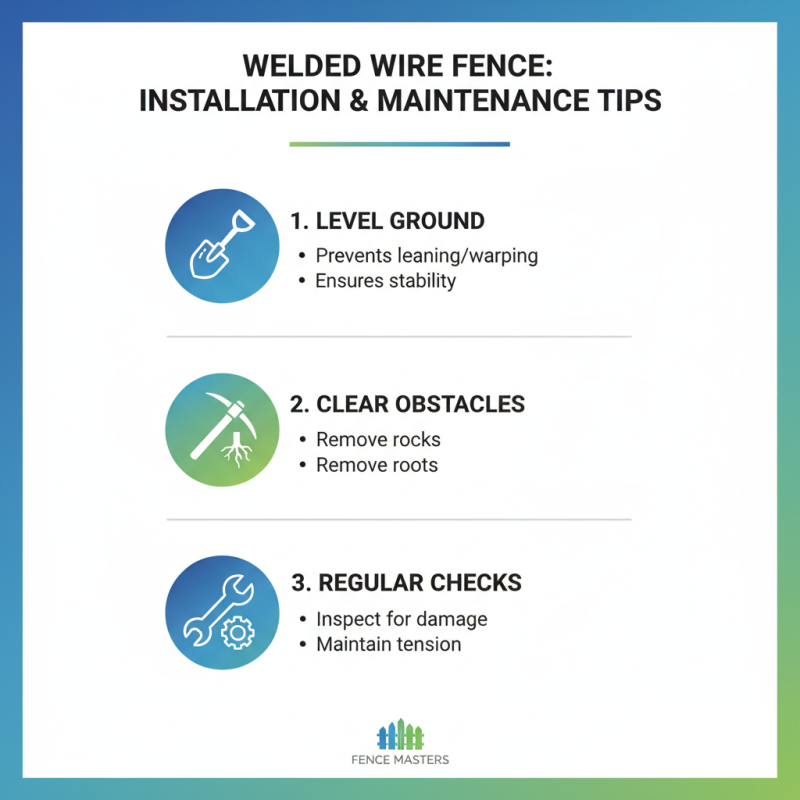
When considering welded wire fencing, installation and maintenance are crucial. Start by ensuring the ground is level. This prevents future issues with stability. If the ground is uneven, your fence may lean or warp over time. Check for rocks or roots that could interfere with installation.
Before installation, think about the posts. They should be spaced evenly for strong support. A common recommendation is to place posts about 6 to 8 feet apart. Be cautious when digging holes; watch for underground utilities.
Maintenance is simpler with welded wire. Regularly inspect the fence for rust or damage. A yearly coat of paint can prolong life and improve appearance. Remember, weeds can grow around the base, so keep the area clear.
Tips for better maintenance include checking for loose wires. Tighten any weak spots to ensure security. Always keep tools on hand for quick repairs. Be proactive rather than reactive; this helps avoid more significant issues later on.