Selecting the right perforated aluminum sheet can significantly impact your project outcomes. According to recent industry reports, the global market for aluminum sheets is projected to reach over $130 billion by 2027. Perforated aluminum sheets are sought after for their versatility and durability in various applications, from architecture to industrial uses. These sheets can provide excellent airflow, aesthetic appeal, and lightweight strength, making them popular choices.
However, choosing the correct type can be challenging. With various hole sizes, thicknesses, and patterns available, the decisions can quickly become overwhelming. Research indicates that up to 40% of customers struggle with selecting the best perforated aluminum sheet for their specifications. Mistakes in choice can lead to increased costs and project delays.
Additionally, understanding environmental factors is crucial. For instance, sheets used in coastal areas might need added corrosion resistance. Striking the right balance between functionality and aesthetics is essential. By considering specific project needs, stakeholders can make informed decisions that enhance performance and visual appeal.
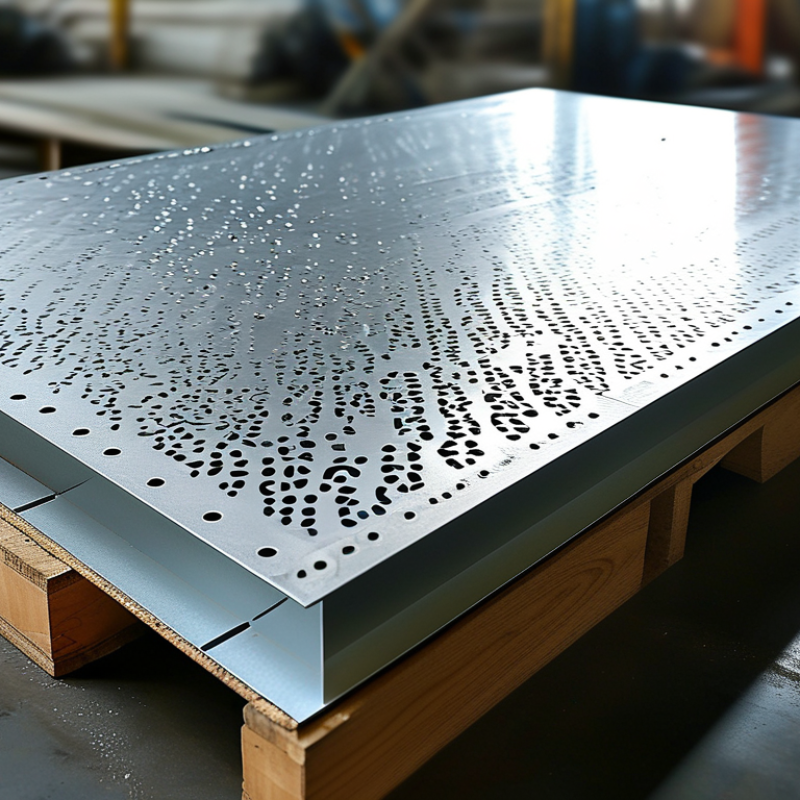
When selecting a perforated aluminum sheet, understanding its specifications is critical. These sheets are available in various thicknesses, hole sizes, and patterns. The choice depends on your intended application. Research from the Aluminum Association shows that perforated sheets can enhance airflow while maintaining structural integrity. For instance, sheets with larger holes often facilitate better ventilation but may reduce strength.
Consider factors such as the percentage of open area. Higher open area percentages improve weight reduction without compromising performance. A report by the International Aluminum Institute indicates that sheets with a 40% open area are commonly used in acoustic panels and filtration applications.
Tips: Evaluate the specific environment where the sheet will be used. Will it face moisture or corrosive substances? Choose a treated finish for durability in harsh conditions. Moreover, assess whether aesthetic factors matter. Finishes like anodizing can address both appearance and functionality. Lastly, consult industry experts to better gauge your choices. Balancing aesthetics, functionality, and specifications ensures a satisfactory outcome.
When selecting a perforated aluminum sheet, the pattern of perforation plays a crucial role. Different patterns influence aesthetics, functionality, and performance. Consider factors such as hole size, spacing, and the overall design. For instance, larger holes allow for better airflow, while smaller holes might enhance visual appeal. Analyze the specific needs of your project to determine which pattern best suits your goals.
Another aspect to consider is the application environment. For outdoor use, consider weather resistance. Certain perforation patterns may hold debris or moisture. A simple design may seem efficient but could harbor more dirt than desired. Reflect on the maintenance involved with each style. An intricate pattern might look appealing but could complicate cleaning processes. The right balance of beauty and practicality is essential in decision-making.
Choosing the right thickness and strength for perforated aluminum sheets is crucial for project success. Each project has distinct requirements that influence these choices. According to industry reports, aluminum sheets typically range from 0.8 mm to 6 mm in thickness. A thinner sheet may have the advantage of flexibility but may compromise strength, making it unsuitable for heavy-duty applications.
When evaluating strength, consider the tensile strength of the aluminum alloy. For instance, 6061 aluminum offers a tensile strength of 310 MPa, while 5052 aluminum has a maximum of around 260 MPa. This data suggests that for highly stressed applications, selecting a stronger alloy is vital.
Tips: Always conduct a stress analysis specific to your application. Understand how factors like load and span affect the performance of the sheet. Also, reviewing project case studies can provide insights into successful thickness choices. Reflect on past experiences when making decisions. Sometimes, the ideal solution is a collaborative effort.
When selecting a perforated aluminum sheet, understanding surface finishes is crucial. Different finishes not only affect appearance but also durability and performance. Common finishes include anodized, powder-coated, and mill finish. Anodized surfaces offer enhanced corrosion resistance, ideal for outdoor applications. Powder-coated sheets provide excellent color options while ensuring long-lasting protection.
Tips for choosing the right finish: Consider the environment. Will the sheet be exposed to harsh weather or chemicals? Anodized may be your best bet. For aesthetic purposes, like furniture, a powder-coated option could be more suitable.
Mill finish sheets present a raw look. They can be practical for industrial settings but require careful handling to avoid oxidation. It's worth thinking about the long-term effects of wear. In some cases, you might need to repaint or re-coat over time. Assess your needs and choose wisely. Every choice impacts your project significantly.
When selecting a perforated aluminum sheet, cost and availability are critical factors to consider. The price of aluminum fluctuates based on market conditions, energy costs, and global demand. According to the Aluminum Association, the average cost of aluminum sheet was about $3,200 per ton in early 2023, reflecting a 15% increase compared to previous years. This rise impacts the overall affordability of perforated sheets for construction and manufacturing needs.
Availability often varies by region, with some areas facing longer lead times due to supply chain disruptions. Reports suggest that the pandemic has led to a 20% decrease in aluminum production in certain key locations. Thus, buyers may find it challenging to access specific sheet sizes or perforation patterns. This reinforces the importance of planning and securing your materials ahead of time. Exploring local suppliers and considering bulk orders can help mitigate delays.
Balancing cost and availability is essential for making informed decisions. While cheaper options may seem appealing, they can sacrifice quality. Some manufacturers might offer lower prices but may not adhere to strict quality controls. Always verify compliance with industry standards to ensure reliability and durability in your projects.