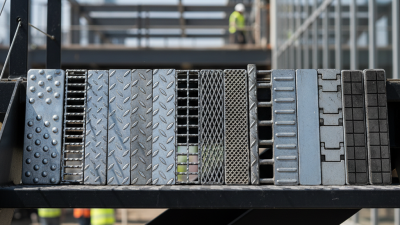
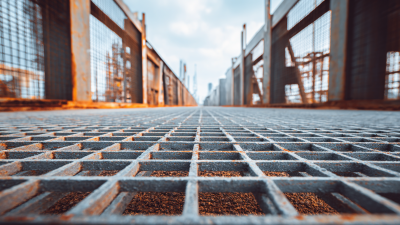
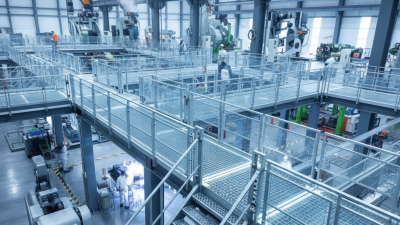
In today’s construction and building maintenance landscape, safety and durability are paramount, especially when it comes to selecting materials for stair treads. Steel stair treads have emerged as a popular choice across various industries, owing to their inherent strength and resistance to wear. According to a report from the National Floor Safety Institute, about 1 million hospital emergency visits in the U.S. each year are due to slip-and-fall accidents, highlighting the critical importance of proper stairway design and materials. The use of steel stair treads significantly reduces the risk of slips and falls, providing enhanced traction and stability.
Furthermore, steel stair treads are particularly advantageous in high-traffic environments such as commercial buildings, warehouses, and manufacturing plants where foot traffic can accelerate wear and tear on conventional materials. According to the American Iron and Steel Institute, steel outperforms other materials not only in terms of strength but also in lifespan, often lasting over 30 years under normal use conditions. As we explore the best options for steel stair treads, it is essential to consider factors such as surface texture, load capacity, and corrosion resistance to ensure that safety requirements are met while maximizing durability for various applications.
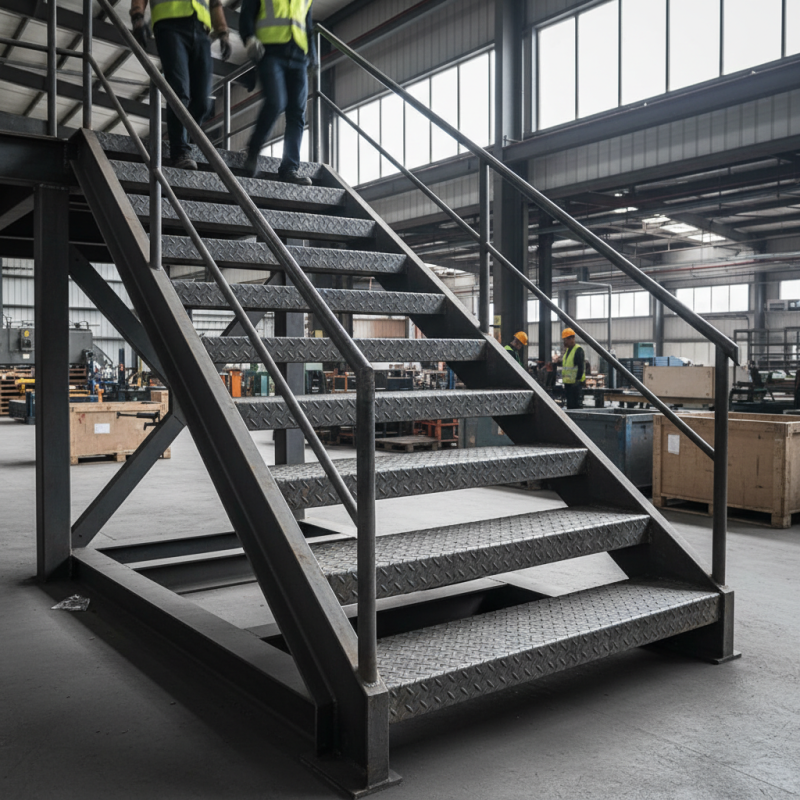
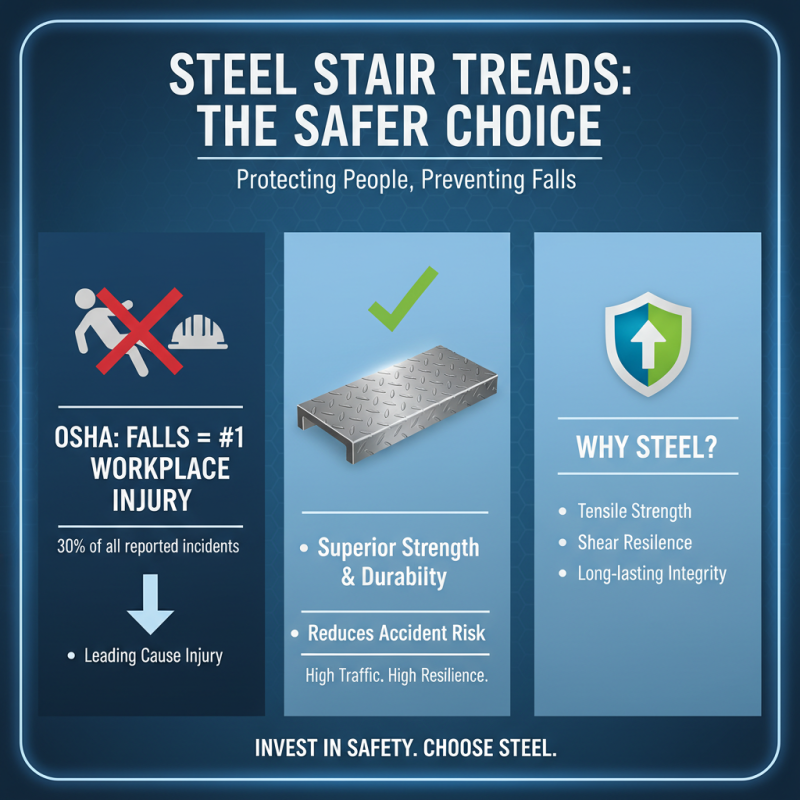
Steel stair treads are crucial in ensuring safety in both commercial and residential spaces. According to the Occupational Safety and Health Administration (OSHA), falls are one of the leading causes of workplace injuries, accounting for approximately 30% of all reported incidents. This statistic underlines the importance of using high-quality materials like steel for stair treads, which offers superior strength and durability, reducing the risk of accidents significantly. The tensile strength and sheer resilience of steel make it an ideal choice for environments that experience high foot traffic, ensuring that treads maintain their integrity over time.
Additionally, the surface characteristics of steel stair treads can greatly affect safety. Many manufacturers incorporate anti-slip coatings or textures that enhance grip, particularly in areas prone to moisture. According to a report from the National Safety Council, the implementation of enhanced traction surfaces can lower slip and fall accidents by up to 50%. This data emphasizes that selecting the right design and finish for steel stair treads is not just a matter of aesthetics but is essential for maximizing safety in any built environment. Thus, understanding the critical role that steel stair treads play in preventing slips and falls is paramount for property owners and managers tasked with maintaining a safe facility.
When selecting steel stair treads, understanding the key characteristics that contribute to their durability and safety is crucial. A primary attribute is the material grade used in fabrication. High-quality steel, often falling within the ASTM A36 specification, offers exceptional tensile strength and resistance to deformation, which is essential for maintaining integrity under heavy foot traffic. According to industry reports, treads made from this material can withstand weights of over 5,000 pounds, making them ideal for both residential and commercial applications.
Another significant factor is the surface treatment applied to the steel. Coating options such as galvanized finishes or powder coatings not only enhance the aesthetic appeal but also provide corrosion resistance, particularly in outdoor settings. Studies indicate that treads with a proper coating can extend the lifespan of the steel by up to 50%, significantly reducing maintenance costs over time. Furthermore, considering slip resistance is paramount; textured surfaces or additional treatments can reduce the risk of accidents, with research suggesting that they can lower the incidence of slip-and-fall injuries by as much as 30%.
Overall, evaluating these characteristics helps ensure the steel stair treads chosen will deliver both safety and long-lasting performance.
When selecting steel stair treads, safety and durability should be at the forefront of your decision-making process. One of the key factors to consider is the tread surface. Look for steel treads with anti-slip features, such as raised patterns or coatings that provide better traction. This is especially important in environments where wet or greasy conditions may be present, as these surfaces can significantly reduce the risk of slips and falls.
Another critical aspect to consider is the tread's thickness and material grade. Thicker treads not only offer increased durability but also enhance load-bearing capacities. Opt for high-grade steel that can withstand heavy traffic and resist rust or corrosion, ensuring the longevity of your stair treads.
Tips: Always check for compliance with safety standards and local building codes when selecting stair treads. It is also beneficial to read reviews or consult with professionals about the performance of different treads in real-world settings to make a more informed choice. Keep an eye on maintenance requirements as well; some finishes may require more upkeep than others, which can affect long-term durability and safety.
| Factor | Description | Importance Level | Material Grade |
|---|---|---|---|
| Slip Resistance | Ensures safe movement on stairs, reducing the risk of slipping. | High | ASTM A36 |
| Durability | Ability to withstand heavy loads and resist wear and tear. | High | 304 Stainless Steel |
| Weather Resistance | Critical for outdoor applications to prevent rust and corrosion. | Medium | Galvanized Steel |
| Aesthetic Appeal | Visually complements the environment where installed. | Low | Polished Stainless Steel |
| Cost Effectiveness | Budget-friendly without compromising quality or safety. | Medium | Mild Steel |
When selecting the best steel stair treads, it's essential to compare the different types available on the market to ensure safety and durability. The most common types include solid steel treads, perforated treads, and tread covers.
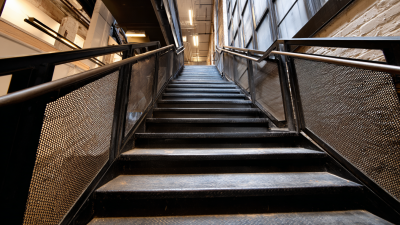
Solid steel treads offer excellent strength and stability, making them suitable for high-traffic areas. They are typically corrosion-resistant and can withstand significant weight, which is crucial for environments like industrial settings or warehouses.
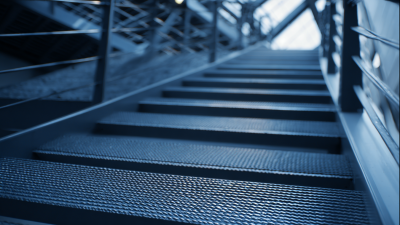
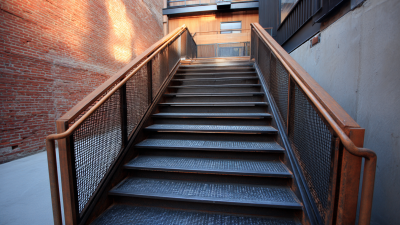
Perforated steel treads provide additional traction and are designed to allow liquids to drain away, reducing slip hazards. Their open design can be beneficial in outdoor settings or areas where moisture accumulation is a concern.
Moreover, perforated treads generally weigh less than solid treads, making installation easier. Tread covers, on the other hand, are an option for enhancing existing staircases. Made from various materials, they can improve grip and protection, ensuring that stair surfaces remain safe for foot traffic. Evaluating these options based on your specific needs and environmental conditions can help you choose the most appropriate steel stair treads.
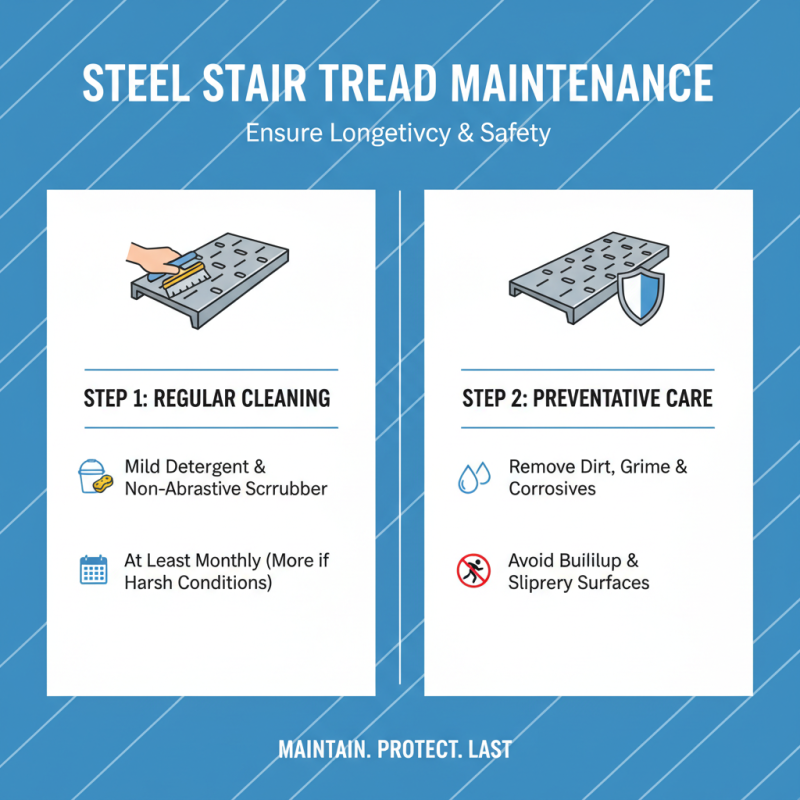
Proper maintenance is essential for ensuring the longevity of steel stair treads. Regular cleaning is the first step in maintaining their condition and safety. Using a mild detergent and a non-abrasive scrubber can effectively remove dirt, grime, and any corrosive substances that may accumulate over time. It's advisable to clean the treads at least once a month, and more frequently in environments exposed to harsh weather conditions or heavy foot traffic. This practice can prevent the buildup of materials that could compromise safety and lead to slippery surfaces.
In addition to routine cleaning, inspecting the steel stair treads for signs of wear and tear is crucial. Look for any signs of rust, dents, or other damage that could impact their effectiveness. If any issues are detected, prompt repairs or replacements can help avoid further degradation. Applying a protective coating or sealant can also enhance their durability against moisture and corrosion. Regular inspections, combined with protective measures, will significantly extend the lifespan of steel stair treads, ensuring they remain safe and functional for years to come.