
Choosing the right Cnc Lathe Machine can be a daunting task. With so many options on the market, it's easy to feel overwhelmed. This decision impacts productivity and efficiency in your workshop. A suitable CNC lathe machine should meet your specific machining needs while fitting your budget.
Consider the types of materials you will work with. Different machines handle metals, plastics, and composites differently. Pay attention to your projects' complexity. Some machines specialize in high-precision work, while others are better for general tasks. You must also think about the machine's size. It determines the range of parts you can create.
Don't overlook the importance of technical support and training. Many manufacturers offer different levels of assistance. Knowing how to operate your CNC lathe machine effectively is crucial. Reflect on your skills and expertise before making a purchase. Choosing wisely will lead to enhanced productivity and fewer regrets later.
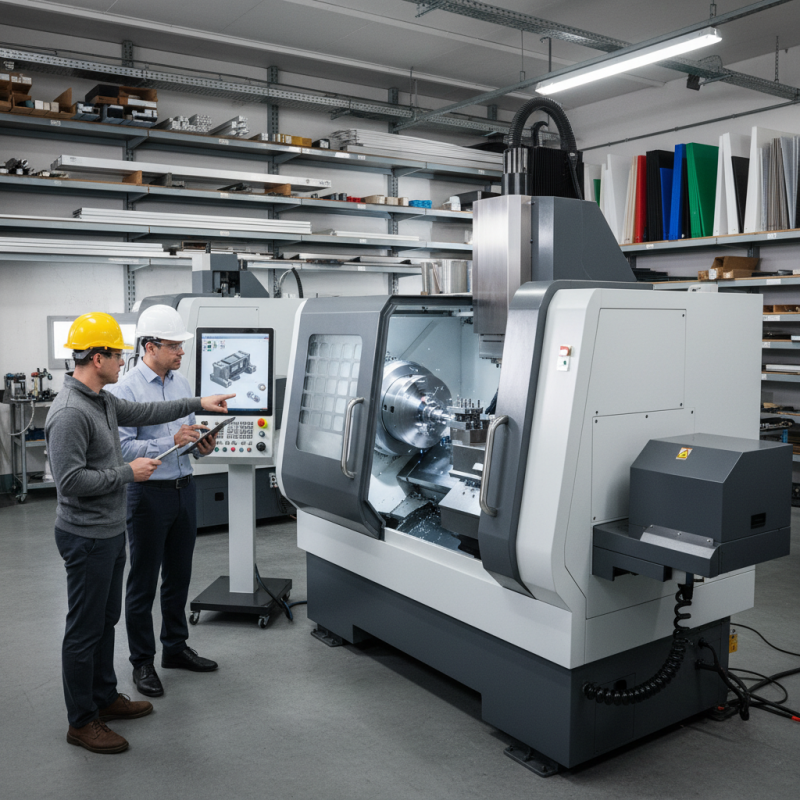
CNC lathe machines are vital tools in modern manufacturing. They enable precise machining of various materials, including metal, wood, and plastics. Understanding their components is crucial. A CNC lathe consists of a spindle, tool holder, and control system.
The spindle rotates the workpiece. High speeds are essential for efficiency. The tool holder secures cutting tools. This helps achieve accurate cuts. The control system guides the machine's movements. Programmable software allows for complex designs. However, configuring these settings can be challenging at first. Mistakes can lead to wasted materials and time.
When selecting a CNC lathe, consider your specific needs. Size and weight impact your workspace. Not all machines fit every project. Reflecting on past experiences can help. Have you faced issues in setups? It’s worth analyzing. Understanding your requirements will lead to better choices.
This chart presents a comparison of key features across different types of CNC lathe machines. Understanding these features will help you choose the best CNC lathe machine for your needs.
When selecting a CNC lathe machine, it’s essential to focus on key features that meet your specific needs. One important aspect is the machine's spindle speed. Studies show that a higher spindle speed can improve production efficiency significantly. Look for machines that offer a versatile range, ideally between 1,000 to 5,000 RPM. This range accommodates various materials while ensuring precision.
Another crucial factor is the machine's bed length. The bed length directly influences the maximum workpiece size you can manage. Most industry reports suggest a bed length of 40 inches is standard for general machining, but longer beds may be necessary for larger projects. Keep in mind that longer beds can lead to a loss of rigidity, which can affect accuracy.
Choosing the right CNC lathe machine does not just hinge on features. It’s essential to consider your production needs. Start by assessing how often you plan to run your machine. Will it be for high-volume production or low-volume, custom jobs? Think about the required precision. Some applications, like aerospace parts, demand tighter tolerances than others. If you miscalculate, it can lead to costly errors.
Next, consider the types of materials you will be working with. Different materials require varying cutting speeds and tools. For instance, metals like aluminum and titanium may behave differently under the same conditions. If you overlook this factor, it could affect your production quality and efficiency. Also, familiarize yourself with the common challenges. Tool wear and material cutting characteristics can differ greatly. Each material may require a different approach and setup.
Lastly, think about your future needs. Will your production scale up? Anticipating growth can help you select a machine that won’t become obsolete. Sometimes, buyers focus too much on immediate needs, forgetting long-term vision. This oversight can impact your business operations down the line.
When budgeting for a CNC lathe, understanding costs and financing is crucial. These machines can vary widely in price. A basic model may cost a few thousand dollars, while high-end options can exceed tens of thousands. You must assess your needs first. What kind of projects will you tackle? Will you use it often? This can dictate your budget.
Consider the ongoing costs too. Maintenance can add to expenses. Also, don’t forget about software and tooling. These costs can accumulate quickly. Financing options can ease the burden. Many manufacturers offer financing plans. Explore loans or leasing options if needed.
**Tip**: Always compare total costs, not just sticker prices. Look beyond the initial purchase.
Sometimes, the best machines come with hidden fees. It’s essential to clarify these before you commit. Research and read reviews, but remember, each user's situation can differ.
**Tip**: Create a spreadsheet to track costs. This can help prioritize spending based on your actual needs.
Budgeting for your CNC lathe requires careful thought. Mistakes can be costly. Reflect on your choices and adjust as needed to find the right balance.
When selecting a CNC lathe machine, maintenance and support are crucial for longevity. Regular maintenance extends the life of the machine. It's important to create a routine that includes cleaning, lubrication, and inspection of key components. Many users overlook this step, which can lead to unforeseen breakdowns. For example, a simple check on the bearings can prevent costly repairs down the line.
Consider the availability of support from suppliers. Quick access to technical assistance can be a game changer. Sometimes, professional help can resolve issues faster than trying to fix everything yourself. However, not all suppliers offer the same level of after-sales service. It's wise to inquire about support options before making a purchase. The right support can make a significant difference in operation efficiency and machine longevity. Regular communication with support teams helps in identifying potential issues early.
If you're new to CNC machinery, anticipate some challenges. Training may be necessary to fully understand maintenance needs. Investing time in learning can save future headaches. Engage with communities or forums to gain insights. They often share experiences and solutions that may not be readily available in manuals. Understanding the machine’s requirements fully can prevent simple mistakes and ensure optimal performance.
