China Best FLS Gate Valve Components Manufacturer?
Choosing a China-based manufacturer for Fls Gate Valve Components calls for more than comparing unit prices. The right parts must match the valve’s model, dimensions, pressure rating, and service conditions. A body, bonnet, stem, gate, seat, or seal that looks similar may still fit poorly. Small differences can affect installation, sealing, and maintenance.
A practical supplier review starts with drawings and clear product identification. Ask how materials are specified, how critical dimensions are checked, and what inspection records accompany an order. For machined components, request details about surface finish, tolerances, and any pressure or sealing tests relevant to the product. Traceable material documentation can also help buyers verify what they receive. Still, a polished brochure proves little. No checklist removes every uncertainty.
When assessing manufacturers in China, compare their technical responses, production capability, sample quality, and willingness to clarify compatibility before quotation. Useful questions include whether replacement parts are made to an approved drawing, how changes are communicated, and how defects are handled. Ask for evidence that can be reviewed, rather than relying on broad quality claims. A sample may reveal machining marks or finish issues, but it cannot establish long-term field performance by itself. That limitation deserves attention. The “best” manufacturer is therefore not simply the lowest-cost option. It is the supplier that can demonstrate consistent controls, communicate clearly, and provide components suited to the exact valve configuration. Verify the details before placing an order.
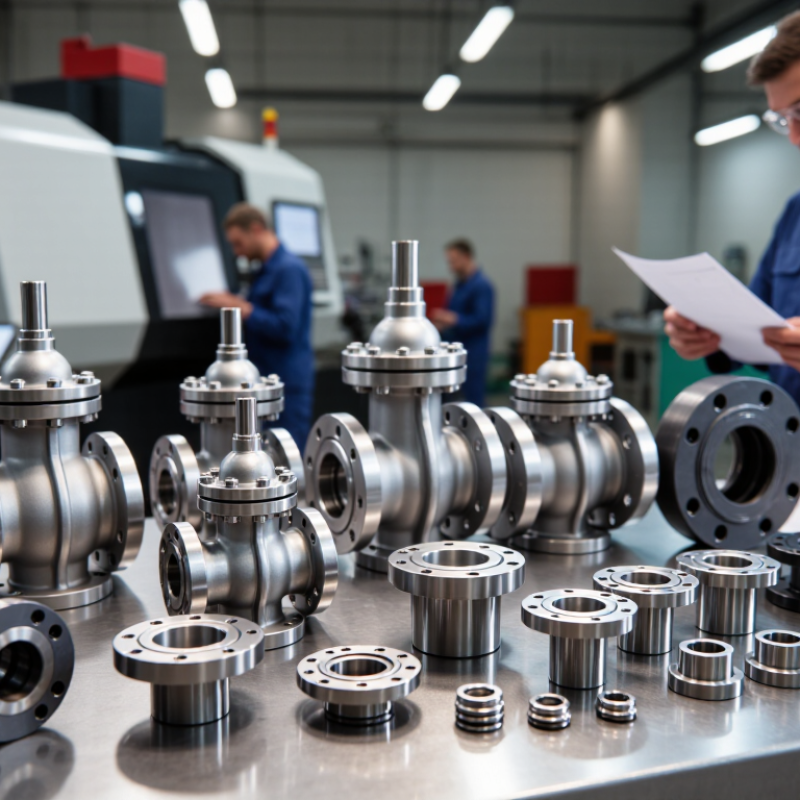
Understanding FLS Gate Valve Components and Their Functions
A gate valve is a coordinated assembly, not just a metal body. The body contains pressure, while the bonnet closes the upper opening. Inside, the gate moves between two seats to stop or allow flow. The stem transfers motion from the handwheel or actuator. Packing around the stem limits external leakage; the gland compresses it. Small parts matter. A scratch across a seating face can compromise shutoff, even when the casting looks sound. Gate valves generally work best fully open or fully closed, rather than as flow-control devices.
Material choice should match the fluid, pressure, temperature, and expected operating cycles. API 598 describes inspection and pressure-testing requirements for industrial valves. For pipeline valves, ISO 14313 provides design and testing requirements. The IEA’s Global Methane Tracker 2024 estimates that fossil-fuel operations released about 120 million tonnes of methane in 2023. That figure is not attributable to valves alone, but it underscores why sealing performance deserves careful attention. When evaluating a Chinese manufacturer, ask for material records, dimensional checks, and test documentation for the specific configuration. Specifications can look complete on paper. Seat alignment and packing adjustment still need practical scrutiny.
Key Materials Used in FLS Gate Valve Manufacturing
Material selection shapes the pressure capacity, service life, and maintenance needs of a gate valve. The body and bonnet are commonly made from carbon steel or low-alloy steel for demanding pressure service. Stainless steel may suit corrosive fluids, but its grade must match the actual chemistry and temperature. A material name alone is not enough.
The gate and seating surfaces need careful attention. Stainless steel with a hardfacing layer can help resist wear where metal surfaces meet. The stem often uses corrosion-resistant steel, while packing may use graphite or a suitable polymer, depending on heat and fluid conditions. Small choices matter. Even a well-specified alloy can perform poorly if the fluid contains unexpected contaminants or the surface finish is inconsistent.
Material certificates, hardness checks, and traceable inspection records help verify that components match their specifications. These checks do not replace service testing. One detail is easy to overlook: dissimilar metals can interact in wet environments and accelerate corrosion. Engineers should review the complete fluid conditions, pressure range, and operating cycles before finalizing materials. There is no universal best combination, and real service data may still reveal gaps in the original assumptions.
How FLS Gate Valve Components Are Produced and Tested
Producing FLS gate valve components starts with material selection and controlled processing. Depending on the design, bodies and bonnets may be forged or cast, while gates and stems are machined from specified alloys. Each heat of material should carry traceable records. That detail matters.
Machinists use drawings and calibrated equipment to shape sealing surfaces, stem threads, and fit-up points. Technicians then check dimensions, surface finish, and alignment. A small burr near a seating face can affect contact, even when the part looks sound. It is easy to overlook.
Testing depends on the component and its role. Material certificates are reviewed, and suitable parts may undergo hardness checks or nondestructive examination for surface or internal flaws. After assembly, pressure tests can check the body and closure under defined conditions. Test results should identify the equipment used, acceptance criteria, and any repair or retest. A clean report helps, but it cannot predict every field condition. That limitation deserves attention. Consistent records, trained inspectors, and careful handling between machining and assembly make the process more dependable.
Standards for Evaluating Chinese Gate Valve Component Manufacturers
Evaluate Chinese Gate Valve Component Manufacturers
Assess a supplier through verifiable controls, not polished brochures. Request material certificates, heat numbers, machining records, and inspection plans tied to each order. Compare drawings against the specified pressure class, dimensions, and applicable standards, such as API 600 or ASME B16.34. For pressure testing, ISO 5208 defines procedures and acceptance criteria for metallic valves. Paperwork is not proof. Ask for recent test reports, calibrated-gauge records, and traceability from casting or billet to finished component.
The ISO Survey 2022 recorded 1,265,216 valid ISO 9001 certificates worldwide. That figure reflects adoption, not product performance; certification alone cannot establish a component’s service life.
Inspect critical dimensions on sample parts, including stem diameter, wedge fit, flange faces, and coating thickness. Check whether nonconforming parts trigger documented corrective action and fresh inspection of replacement batches. Ask for lot-specific reports, not generic certificates. A supplier visit can reveal storage conditions, rust protection, and damage near machined sealing surfaces. These details matter. Still, a checklist has limits. Component performance also depends on assembly, operating fluid, temperature, and maintenance, so factory certificates cannot predict every field outcome. Record exceptions clearly; a missing test record may justify holding a batch rather than making assumptions.
Applications and Selection Factors for FLS Gate Valve Components
China Best FLS Gate Valve Components Manufacturer?
Applications and Selection Factors for FLS Gate Valve Components
FLS gate valve components are used in high-pressure flow systems where reliable isolation matters. Typical applications include drilling equipment, production manifolds, and well-control assemblies. A gate, seats, stem, bonnet, and seals must work together under pressure, vibration, and changing temperatures. For example, abrasive fluid can wear sealing surfaces faster than clean water. A component suited to one service may not suit another.
Selection starts with the valve’s pressure and temperature ratings, then considers fluid composition, connection type, bore size, and material compatibility. Confirm critical dimensions against the equipment drawing; similar-looking parts are not always interchangeable. Check seat and seal materials for the actual operating fluid, and ask for traceable inspection records when purchasing. A drawing can look right and still miss a small interface detail. That detail may matter during installation.
Tips: Record the valve model, serial details, and measured dimensions before ordering. Compare material and pressure specifications, not appearance alone. If service conditions are uncertain, verify them with a qualified engineer. One limitation: field measurements can be imperfect, so recheck them before final selection.
FLS Gate Valve Components: Applications & Selection Factors
Common API 6A rated working pressure classes are shown for reference. Select gate valve components to suit the required pressure rating, bore size, temperature range, materials, and service conditions. Confirm the applicable specification and compatibility requirements for the intended wellhead or production-tree application.

