Best Trench Drain Solutions for Efficient Water Management?
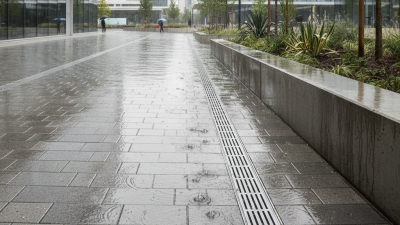
In an era where efficient water management is paramount, trench drain systems have emerged as a vital solution. These drainage systems effectively manage surface water, helping prevent flooding and erosion. According to industry reports, effective drainage reduces water accumulation by up to 75% in commercial settings. Trench drains channel runoff away from structures, ensuring a safer environment.
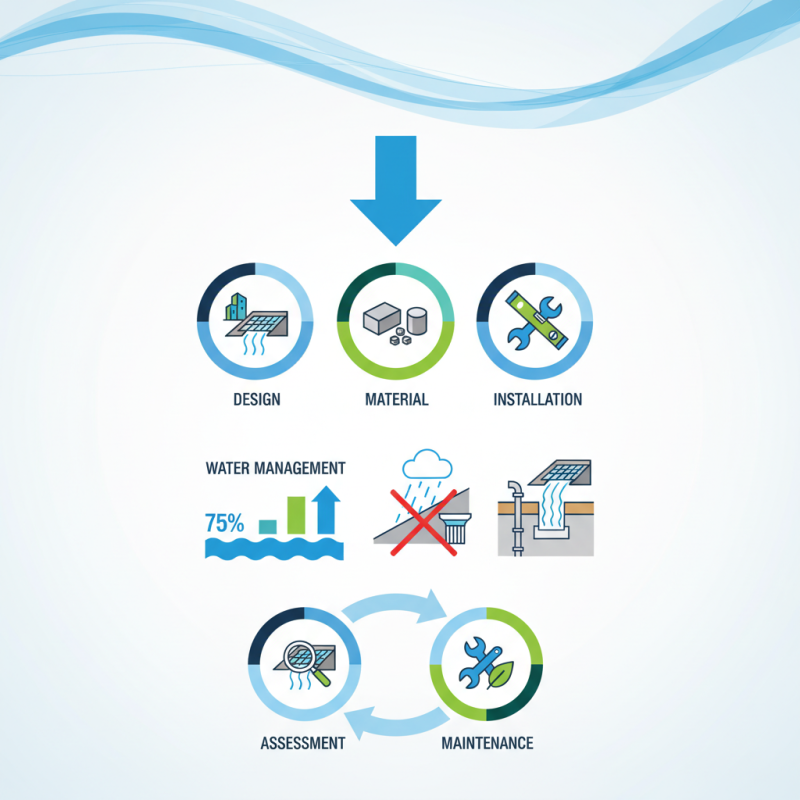
However, selecting the right trench drain isn't always straightforward. Various factors influence performance, such as design, material choice, and installation method. Research indicates that improper installation can lead to costly issues down the line. It's essential to understand these challenges to truly benefit from trench drain solutions.
Moreover, as climate patterns shift, the frequency of heavy rainfall raises concerns. Many regions experience increased runoff, overwhelming traditional drainage systems. In response, trench drains can significantly mitigate these issues. However, ongoing assessments and performance evaluations reveal that not all trench drain options perform equally. These discrepancies highlight the need for critical discussions on best practices for trench drain selection and maintenance.
Overview of Trench Drains and Their Purpose in Water Management
Trench drains serve as a vital solution for managing surface water effectively. These long, narrow channels can be found in various environments, from urban roads to agricultural fields. Their primary purpose is to collect and redirect excess water. This helps prevent flooding and erosion in vulnerable areas. The design often includes a grating system to filter out debris, ensuring the flow remains smooth.
Constructing a trench drain requires careful planning. The location and slope of the drain significantly affect its performance. Many factors can hinder effectiveness, such as improper grading or inadequate materials. A poorly placed drain might not capture enough water, leading to pooling puddles. Each installation must be tailored to the specific conditions of the site.
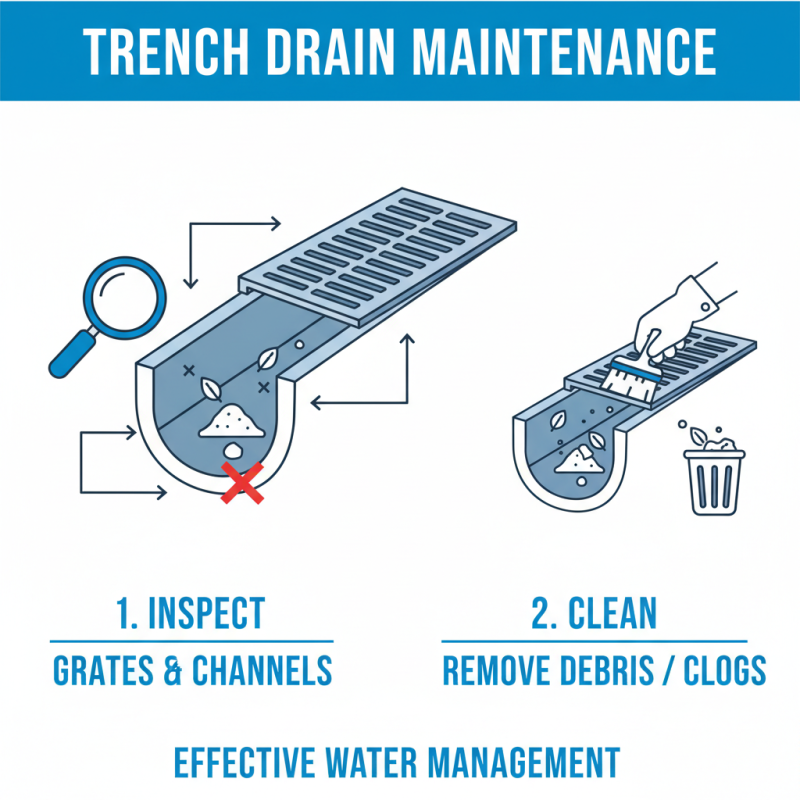
Maintenance is another important factor. Regular inspection helps avoid blockages. Leaves, dirt, and other debris can accumulate over time. Ignoring signs of trouble may lead to costly repairs. Reflecting on these aspects can enhance water management practices. Thoughtful implementation and upkeep are necessary for optimal results.
Types of Trench Drains: Materials and Designs for Various Applications
Trench drains are crucial for managing water efficiently in various settings. They come in different materials and designs, suited for specific applications. Concrete, for instance, offers durability for heavy-duty needs. It’s often used in commercial areas, where loads can be high. However, installation can be labor-intensive and time-consuming.
On the other hand, plastic trench drains are lightweight and easier to install. They work well in residential landscapes or lighter traffic areas. However, their lifespan might not match that of concrete. Metal drains provide strength, but they can be prone to corrosion.
Choosing the right material requires careful consideration. Each has its advantages and potential drawbacks. For example, while concrete is robust, it may crack under freezing temperatures. Meanwhile, plastic can warp in extreme heat. Ultimately, understanding the specific requirements of your space is essential for effective water management.
Installation Process: Key Steps for Effective Trench Drain Systems
The installation of effective trench drain systems requires careful planning and attention to detail. Begin by surveying the area where the drain will be placed. Identify low spots where water tends to accumulate. Clear any debris from this area to allow for a smooth installation. Ensure that the trench is wide enough to accommodate the drain.
Next, dig a trench that slopes gently towards a designated outlet. A consistent slope is crucial for effective drainage. The depth of the trench should be sufficient to fit the drain and any necessary gravel. Use a level to check the slope as you dig. This step can be easily overlooked, leading to a less effective system.
Once the trench is ready, add a layer of gravel at the bottom. This layer aids in proper water flow. Place the trench drain on top of the gravel. Connect it to an outlet that leads away from your property. Secure the drain in place with additional gravel on the sides. Regularly check alignment and leveling during this stage. It can be frustrating if adjustments are needed later. Finally, cover the top of the drain as required, ensuring it blends seamlessly into the surrounding area. Maintenance checks are also necessary; occasional cleaning will keep the system functioning effectively.
Best Trench Drain Solutions for Efficient Water Management
This chart illustrates the cost per linear foot of different trench drain materials commonly used for efficient water management. The data reveals insights into affordable and effective solutions for installation.
Maintenance Guidelines for Longevity and Efficiency of Trench Drains
Trench drains are vital for effective water management. To ensure they work properly, regular maintenance is necessary. Start by inspecting the grates and channels. Look for debris, leaves, or dirt. Clogs can hinder performance. Sometimes, simple cleaning can make a huge difference.
Another important step is to check the slope of the drain. If water pools, it indicates improper installation. This can lead to water damage over time. Addressing these issues promptly will help preserve the integrity of the drainage system.
Seasonal maintenance cannot be overlooked. After heavy rain or snowfall, assess the drain's condition. Ensure water flows freely. Neglecting this can cause long-term damage. Stay vigilant and proactive. These small reflections on maintenance can lead to big improvements. Proper care fosters longevity and efficiency.
Comparative Analysis of Trench Drain Solutions and Their Effectiveness
When analyzing trench drain solutions, effectiveness varies across systems. A study indicated that nearly 30% of urban flooding is due to inadequate drainage. This highlights the need for efficient systems. Various designs, such as linear drains and grated channels, each have unique benefits. For instance, linear drains can manage larger volumes of water, reducing surface flooding.
Research shows that proper installation and maintenance significantly impact performance. A poorly maintained system can lead to clogging, which diminishes functionality. Surprisingly, 40% of property owners surveyed reported issues with their trench drains, mainly due to neglect. This raises concerns about the longevity and reliability of many systems in place.
Material choice also plays a crucial role. Concrete and polymer options exhibit different lifespans and corrosion resistance. In harsh environments, polymer systems may outperform concrete but can be more expensive upfront. Balancing cost and efficiency is often challenging. Many companies face tough decisions that lead to compromises on materials or designs, affecting overall performance.
Best Trench Drain Solutions for Efficient Water Management
| Trench Drain Type |
Material |
Load Capacity (lbs) |
Installation Cost ($/ft) |
Average Lifespan (years) |
Effectiveness Rating (1-5) |
| Polymeric Grate |
Polymer |
1000 |
20 |
30 |
4 |
| Stainless Steel |
Stainless Steel |
2000 |
30 |
50 |
5 |
| Concrete |
Concrete |
3000 |
25 |
40 |
4 |
| Cast Iron |
Cast Iron |
4000 |
40 |
60 |
5 |
| Fiberglass |
Fiberglass |
1500 |
35 |
25 |
3 |