Best Expanded Metal Choices for Your Next Project?

When selecting the best materials for construction projects, "expanded metal" often emerges as a top contender. According to recent industry reports, the global expanded metal market is expected to grow significantly, anticipated to reach $1.7 billion by 2025. This surge highlights a trend where architects and builders increasingly favor expanded metal for its durability and versatility.

Expert Tom Reynolds, a leading authority in the expanded metal field, states, "Expanded metal offers both strength and lightweight properties, making it ideal for various applications." His insights emphasize the material's adaptability in construction, from security fencing to HVAC systems. However, challenges exist in sourcing high-quality expanded metal that meets project specifications.

Careful consideration is needed to navigate the diverse options available. Not all expanded metal is created equal. Some suppliers may compromise on quality, leading to potential setbacks. As projects evolve, teams must consistently evaluate their choices to ensure performance meets expectations. Balancing cost and quality becomes crucial in this dynamic market.
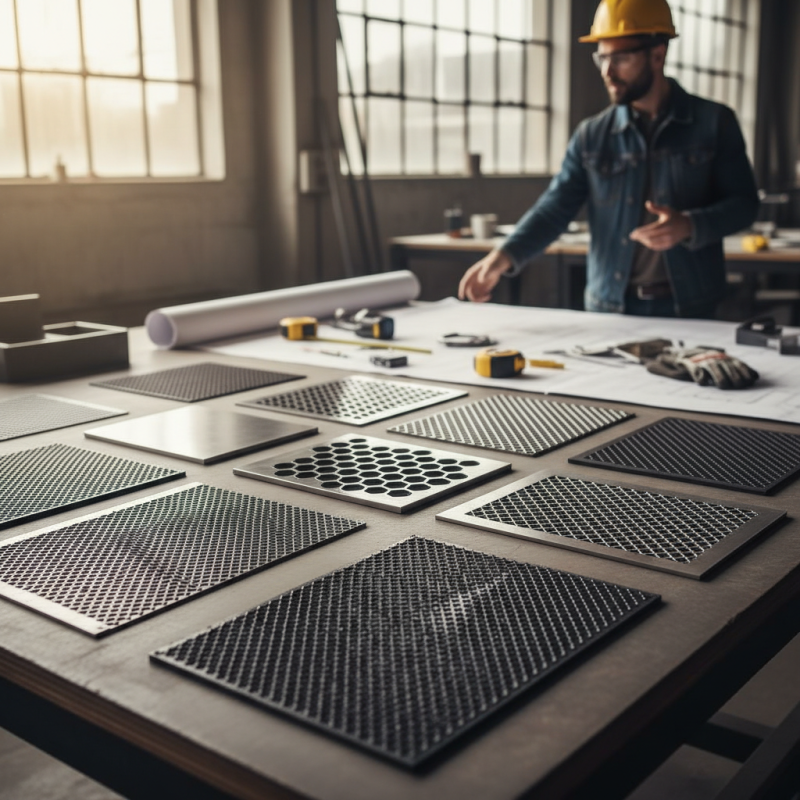
Best Expanded Metal Choices for Your Next Project?

Types of Expanded Metal: A Comprehensive Overview

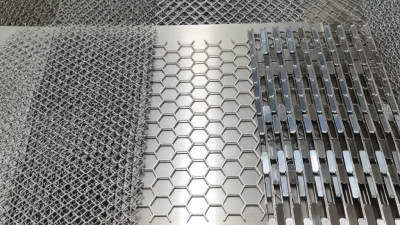
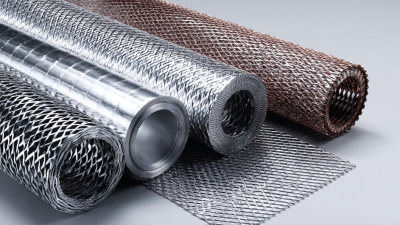
When considering expanded metal for your next project, understanding the types available is crucial. Expanded metal is versatile and comes in various styles. These include standard, raised, and flattened types, each with unique applications. Standard expanded metal is often used for security and safety. Raised expanded metal provides extra grip, making it suitable for stair treads or walkways. Flattened expanded metal offers a smoother finish, ideal for aesthetic purposes.

The thickness of the material greatly affects its strength. Thicker expanded metal can support heavier loads but may add weight to your project. For instance, while a standard gauge might suffice for light fencing, a thicker gauge is preferable for industrial applications. The choice of alloy is equally significant. Steel can rust, while aluminum resists corrosion but may not hold up as well under stress.

Design limitations must be considered too. Expanded metal can be less flexible than sheet metal, which might be an issue in intricate designs. Sometimes, the punched-out patterns may not work well with all themes. Reflecting on your specific needs is important. Consider the environment where the metal will be used. Each choice carries its pros and cons.

Best Expanded Metal Choices for Your Next Project?

Type of Expanded Metal Material Thickness (mm) Aperture Size (mm) Weight (kg/m²) Common Applications
Standard Expanded Metal Steel 2.0 25 8.0 Flooring, Walkways
Expanded Mesh Aluminum 1.5 15 4.5 Screens, Decorative Panels
Flattened Expanded Metal Steel 3.0 35 10.0 Cages, Structural Support
Architectural Expanded Metal Stainless Steel 2.5 20 6.0 Architectural Features, Facades
Heavy Duty Expanded Metal Carbon Steel 4.0 45 12.0 Industrial Catwalks, Fencing

Factors to Consider When Choosing Expanded Metal

Choosing the right expanded metal for your project involves several important factors. One critical aspect is the application. Different projects require varying levels of strength and durability. For instance, construction projects often demand robust designs, while decorative applications might prioritize aesthetic appeal. Understanding the intended use can guide appropriate selections.

Another factor to consider is the material itself. Expanded metal comes in various types, including steel, aluminum, and stainless steel. Each material has distinct properties, such as corrosion resistance and weight. Think about where the expanded metal will be installed. Is it indoors or outdoors? Will it be exposed to harsh weather? The answers will impact your choice.

Size and pattern are also vital. The opening size and pattern density affect airflow and light transmission. Smaller openings can provide more support but may limit visibility. Reflect on what balance you need. It's easy to overlook these details, yet they can significantly influence performance and look. Aim for a thoughtful decision, even if it takes time.

Applications of Expanded Metal in Various Industries

Best Expanded Metal Choices for Your Next Project?

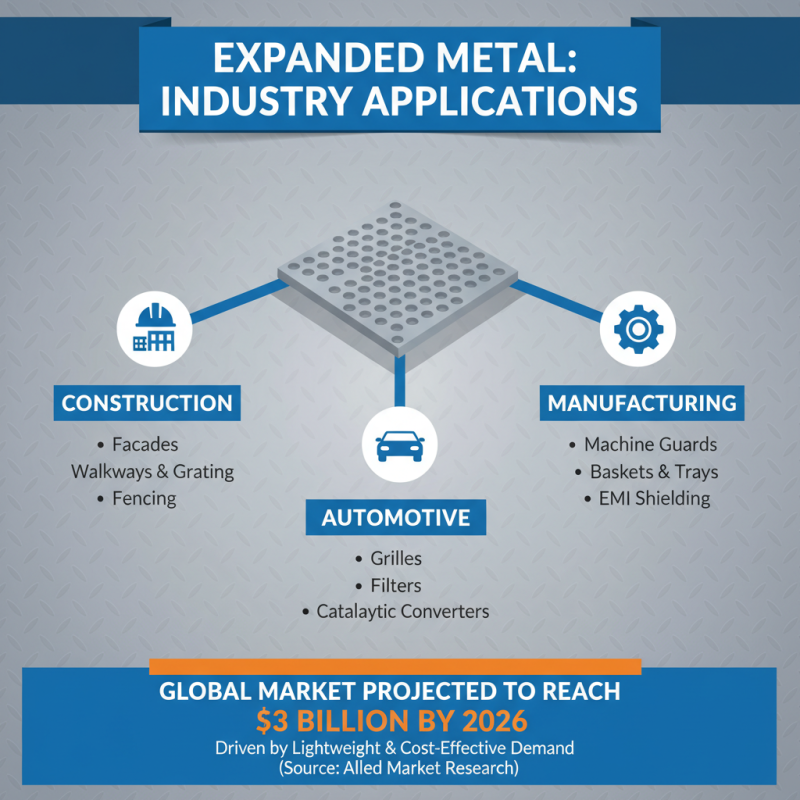
Expanded metal is a versatile material used widely across various industries. Its unique properties make it ideal for applications in construction, automotive, and manufacturing sectors. A report by Allied Market Research reveals that the global expanded metal market is projected to reach 3 billion USD by 2026, driven by the rising demand for lightweight and cost-effective materials.

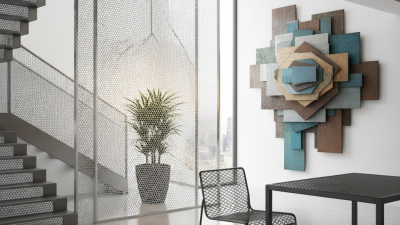
In construction, expanded metal provides excellent strength-to-weight ratios. It is used for safety barriers, flooring, and façade systems. The construction industry is increasingly adopting expanded metal due to its durability and aesthetic appeal. In the automotive sector, it serves as a lightweight solution for vehicle components, contributing to fuel efficiency. As energy efficiency becomes a priority, using expanded metal can help reduce overall vehicle weight.

Tips: When selecting expanded metal, consider the mesh size. A finer mesh provides better containment but may reduce airflow. Always evaluate your project's specific needs. Also, consider the environment where the metal will be used; corrosive conditions might require special finishes.

In manufacturing, expanded metal enhances productivity. It is used in various applications, from filters to guards. However, over-reliance on expanded metal without proper assessment can lead to structural inadequacies. It’s crucial to analyze the load-bearing requirements carefully and not overlook the potential for deformation under stress.

Comparative Analysis of Expanded Metal Materials

Best Expanded Metal Choices for Your Next Project?

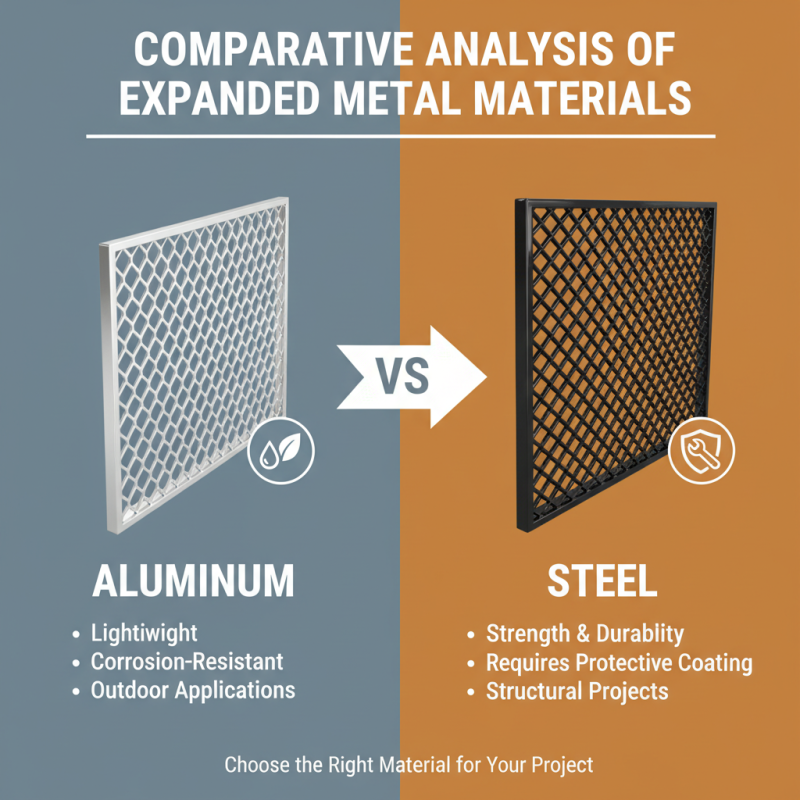
When selecting expanded metal for construction projects, understanding the materials is crucial. Expanded metal comes in various options, each with unique properties. Aluminum is lightweight and corrosion-resistant, making it ideal for outdoor applications. On the other hand, steel offers strength and durability but requires a protective coating to prevent rust.

It's essential to consider the intended use of the expanded metal. For decorative purposes, choose a design that complements the overall aesthetics. If you prioritize strength, select a thicker gauge. Keep in mind that typical choices include hot-rolled, cold-rolled, and stainless steel. Each material has varying resistance to wear and exposure.

Tip: Evaluate your project's environment before making a choice. Humidity and exposure to elements can influence material longevity. Reflect on the weight of the expanded metal; heavier options may not be suitable for lightweight structures. Always measure accurately to avoid installation issues. Remember, not every choice will suit every project, so reconsider your needs frequently.

Sustainability and Environmental Impact of Expanded Metal Use

Expanded metal is a versatile material with significant benefits for sustainability. Its production process is efficient, as it utilizes less raw material than traditional metal sheets. This reduction in resource use makes it an environmentally friendly option. Additionally, expanded metal can be recycled easily at the end of its life cycle. This contributes to a circular economy, which is vital for reducing waste.

In the context of eco-conscious design, consider using expanded metal to improve ventilation and airflow. This feature can reduce energy usage in buildings, leading to lower carbon footprints. Moreover, manufacturers often emphasize their sustainability efforts, which can enhance your project's public image.

Tips: Always assess the source of your expanded metal. Look for manufacturers with a proven commitment to sustainable practices. Take time to evaluate the life cycle of materials you're using. It's a crucial step toward making environmentally sound decisions in your projects. Remember, not all materials labeled ‘green’ are created equal. Engage in research to ensure you are making informed choices that align with your sustainability goals.

Environmental Impact of Different Expanded Metal Materials