

Top 10 Benefits of Using Steel Grating for Your Projects?
Steel grating is increasingly recognized for its versatility and strength in construction and industrial applications. According to a report by Global Market Insights, the steel grating market is expected to surpass $5 billion by 2026 due to its growing popularity across various sectors. This is largely attributed to its durable nature and cost-effectiveness.
The benefits of using steel grating are numerous. It provides excellent drainage and airflow while being lightweight yet robust. This is essential for safety in industrial environments. However, it is important to note that not all steel grating options are created equal. Some products may corrode more quickly, depending on the environment. Thus, choosing the right type is crucial for maximizing longevity and performance.
Additionally, while steel grating is a sustainable choice, manufacturers must consider their production practices. Sustainable sourcing of raw materials ensures a lower environmental impact. Each project presents unique challenges, and steel grating needs to be evaluated carefully. Ultimately, its usage can lead to significant benefits when selected properly.
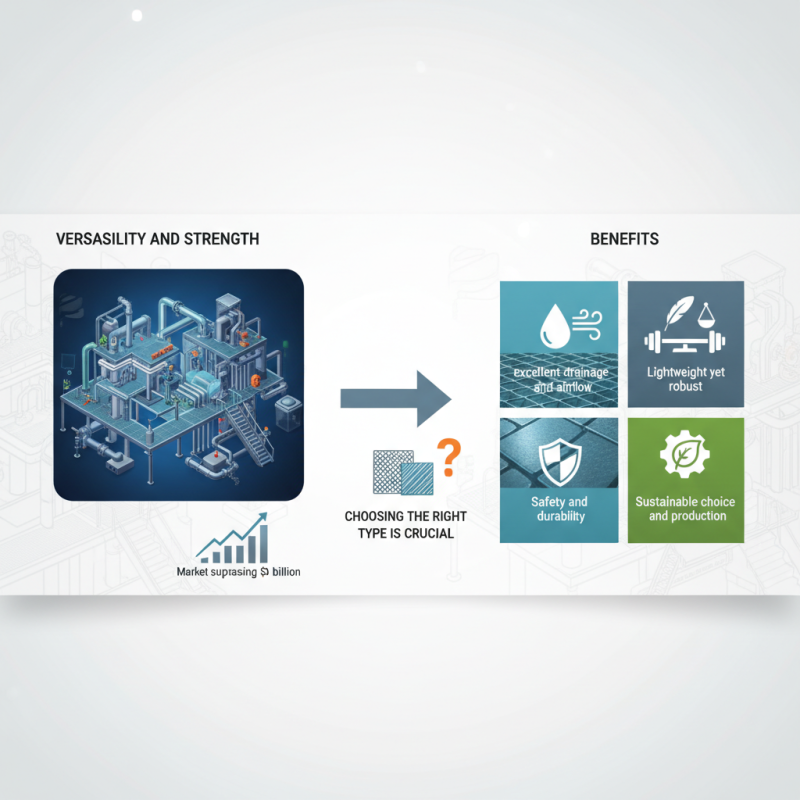
Benefits of Steel Grating in Industrial Applications: A Comprehensive Overview
Steel grating is widely recognized for its advantages in various industrial applications. Its durability makes it an ideal choice for flooring in heavy machinery areas. These grates allow water and debris to pass through, reducing the risk of slips. Moreover, the open structure provides excellent ventilation, improving air circulation in workspaces.
Another benefit of steel grating is its lightweight nature. This makes installation simpler and quicker, saving both time and labor costs. In some cases, however, it might not support heavy loads as effectively as solid flooring materials. It's important to assess the specific load requirements for each project.
Steel grating is also resistant to corrosion, especially when made from stainless steel. This can extend its lifespan, which is an essential factor in cost-effective project planning. However, improper installation could lead to potential maintenance issues later on. Addressing these concerns during the early stages can enhance the overall efficiency of industrial operations.
Top 10 Benefits of Using Steel Grating for Your Projects
| Benefit | Description |
|---|---|
| Durability | Steel grating is resistant to heavy loads and harsh environments, making it ideal for industrial use. |
| Versatility | It can be used in various applications, from flooring to stair treads and platforms. |
| Safety | The open design allows for excellent drainage and prevents slips. |
| Cost-Effectiveness | Long-lasting life reduces replacement costs and minimizes maintenance. |
| Lightweight | Easier to handle and install compared to solid flooring systems. |
| Customizable | Available in various sizes and styles to fit specific project requirements. |
| Built-In Strength | Inherently strong material can withstand substantial weight and force. |
| Eco-Friendly | Steel is recyclable, reducing waste and promoting sustainability. |
| Aesthetic Appeal | Provides a modern industrial look suitable for architectural applications. |
| Easy Cleaning | The open design allows for easy access for cleaning and maintenance. |
Conclusion
Steel grating offers numerous benefits for industrial applications, making it an excellent choice for various projects. One of its significant advantages is enhanced load-bearing capacity, which surpasses that of many traditional flooring materials. This strength is complemented by corrosion resistance, allowing steel grating to perform well even in harsh environmental conditions where other materials might fail.
Additionally, the cost-effectiveness of steel grating is noteworthy, as it can lead to substantial long-term savings due to its durability and low maintenance requirements. Safety is another critical aspect, with features such as slip resistance and visibility enhancing workplace security. Finally, steel grating contributes to sustainability through its recyclability, ensuring environmental benefits alongside its practical applications. Overall, the combination of these factors makes steel grating a smart choice for industries seeking reliable and efficient flooring solutions.
Related Posts
-
Understanding the Benefits of Steel Grating in Industrial Applications
-
What Are the Uses and Benefits of Stainless Steel Wire Mesh?
-
Exploring Metal Mesh Screen Innovations at the 138th Canton Fair 2025 with Industry Growth Insights
-
Enhancing Safety and Style: The Ultimate Guide to Choosing Steel Stair Treads for Your Home
-
2025 How to Choose the Best Aluminum Stair Treads for Safety and Durability
-
How to Choose the Best Welded Wire for Your Projects and Applications