
Top 10 Benefits of Using Epoxy Glass Sheet for Your Projects?

In the world of material selection, the Epoxy Glass Sheet stands out for its unique properties. Many industries rely on it for various applications, ranging from electrical insulation to aesthetic components in furnishings. Its ability to resist heat and chemicals makes it invaluable for many projects.

When considering the benefits of using Epoxy Glass Sheets, one should appreciate its durability. This material can withstand considerable stress, which ensures longevity in use. Additionally, it is lightweight, making it easier to handle during installation or manufacturing processes. Its attractive finish can enhance the overall look of projects, contributing to both functionality and style.

However, not every application may require such a robust solution. The cost of Epoxy Glass Sheets may deter some users. It is essential to weigh these factors, as well as intended use, against your budget and project requirements. An informed decision will lead to better outcomes in the long run.
Top 10 Benefits of Using Epoxy Glass Sheet for Your Projects?

Understanding Epoxy Glass Sheets: An Overview of Features

Epoxy glass sheets are becoming increasingly popular in various projects due to their unique features. They are composed of layers of glass fabric bonded with epoxy resin, making them lightweight and durable. According to a report by Smithers, the global demand for composite materials, including epoxy glass, is projected to grow at a rate of 5.4% per year, highlighting their significance in modern applications.

One notable feature of epoxy glass sheets is their exceptional electrical insulation properties. Their dielectric strength can reach up to 500 volts/mil, which is critical in electronics. Additionally, they exhibit impressive chemical resistance. This resilience makes them suitable for use in harsh environments, especially in the automotive and aerospace industries. However, achieving optimal performance requires precise manufacturing processes and strict quality controls. Variabilities in materials can lead to inconsistencies, prompting some users to reconsider their choices.

Another area of interest is the sheets' thermal stability. They can withstand temperatures ranging from -40°F to 350°F. This makes them versatile across different applications, from industrial equipment to art projects. Nevertheless, while epoxy glass sheets are robust, they can be brittle under certain conditions. Users must evaluate their specific project needs carefully. This insight underlines the importance of understanding each material's capabilities and limitations before making a decision.

Durability and Resistance: Key Advantages of Epoxy Glass Sheets

Epoxy glass sheets offer remarkable durability. These sheets resist impacts and scratches effectively. In high-traffic areas, they maintain their integrity over time. The chemical resistance of epoxy prevents degradation from harsh substances. Projects exposed to moisture benefit significantly. The waterproof nature ensures longevity, even in wet environments.

Heat resistance is another standout feature. Epoxy glass sheets can withstand high temperatures without warping. This makes them ideal for applications like countertops or electrical enclosures. Moreover, their lightweight nature simplifies installation. But it’s essential to ensure proper handling. Mishandling can lead to cracks or surface imperfections. Attention to detail during installation is crucial.

While epoxy glass sheets have many advantages, they are not without challenges. Proper maintenance is necessary to keep them looking pristine. Regular cleaning helps avoid build-up of dirt and grime. Furthermore, not all applications may suit epoxy sheets. It’s vital to assess project requirements carefully. With an informed approach, these sheets can truly enhance your projects.

Versatility in Applications: Where Epoxy Glass Sheets Shine

Epoxy glass sheets are gaining popularity across various industries for their versatility and unique properties. These sheets excel in applications such as electrical insulation, automotive components, and DIY projects. A report from MarketsandMarkets indicates a projected growth of the global epoxy resin market at a CAGR of 6.1% from 2021 to 2026. This growth underscores the increasing reliance on epoxy materials.

Their high mechanical strength makes epoxy glass sheets suitable for demanding environments. They withstand high temperatures and resist various chemicals, ensuring longevity. These traits open possibilities in sectors like aerospace and electronics where reliability is essential. Engineers often prefer these sheets due to their excellent dimensional stability, making them ideal for intricate designs.

However, challenges exist. While epoxy glass sheets are robust, they can be cost-prohibitive for small-scale projects. Users may encounter difficulties in cutting or shaping these materials without proper tools. The learning curve for best application practices can deter beginners. It is crucial to weigh these factors against the benefits before starting a project. Understanding the complexity of incorporating epoxy glass sheets effectively is vital for realizing their potential.

Cost-Effectiveness: Evaluating the Economic Benefits of Epoxy Glass Sheets

Epoxy glass sheets offer significant economic benefits for various projects. These sheets are durable and resistant to chemical damage. Their longevity reduces replacement costs over time. Many industries favor them due to their low maintenance needs. They can withstand high temperatures, making them ideal for tough working conditions. This durability leads to fewer repairs and replacements, saving money in the long run.

In addition to durability, epoxy glass sheets are lightweight. This quality contributes to lower shipping and handling costs. Projects that require large sheets will benefit from this ease of transport. However, one might ponder whether the initial investment is justified. While these sheets can be pricier than alternatives, their long-term savings may offset the costs. It's essential to evaluate the specific needs of your project before committing. The upfront cost might seem daunting, but weighing it against potential savings reveals a clearer picture.

Aesthetic Appeal: Enhancing Visual Design with Epoxy Glass Sheets

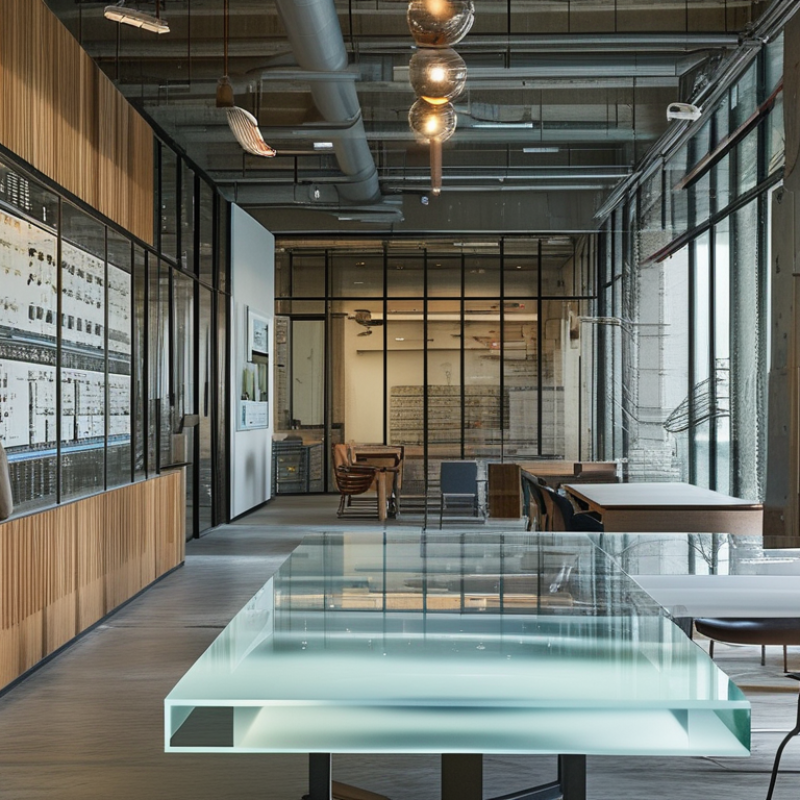
Epoxy glass sheets are more than functional materials; they play a key role in visual design. Their glossy surface creates a striking appearance, attracting attention in various projects. Imagine a countertop or a table top, where vivid colors blend with a transparent finish. This harmony enhances the overall aesthetic, making spaces feel more modern and appealing.

Utilizing epoxy glass sheets can also be a challenge. The intricate designs require careful consideration. Not every mix of colors works well when combined. There's a learning curve in achieving the desired effect. However, when done right, the outcome can be breathtaking. Each piece becomes a unique artwork, capturing light and reflecting it in stunning ways.

Designers often appreciate the versatility of these sheets. They can be molded into various shapes, accommodating multiple design preferences. Experimentation is essential, yet it may not always yield success. One failure can lead to better insights for the next attempt. Balancing creativity with functionality is key to making the most of epoxy glass sheets in any project.