
What is a Ball End Mill and How is it Used?

In the world of milling, the "Ball End Mill" plays a crucial role in precision machining. Known for its curved shape, it excels in producing smooth, contoured surfaces. Expert machinist John Smith emphasizes its significance, stating, "The Ball End Mill is essential for achieving intricate designs."

Ball End Mills are widely used in various industries, including aerospace and automotive. Their unique geometry allows for effective cutting in tight spaces. This tool can create complex features and achieve high-dimensional accuracy. However, many users may struggle with selecting the right size or type for their specific tasks. A common issue is underestimating the impact of feed rates on surface finish.

Despite its advantages, using a Ball End Mill requires thoughtful consideration. Operators must be aware of tool wear and its effects on performance. Understanding the nuances of this milling cutter can lead to better outcomes. Revisiting techniques and designs can ultimately enhance productivity and quality.
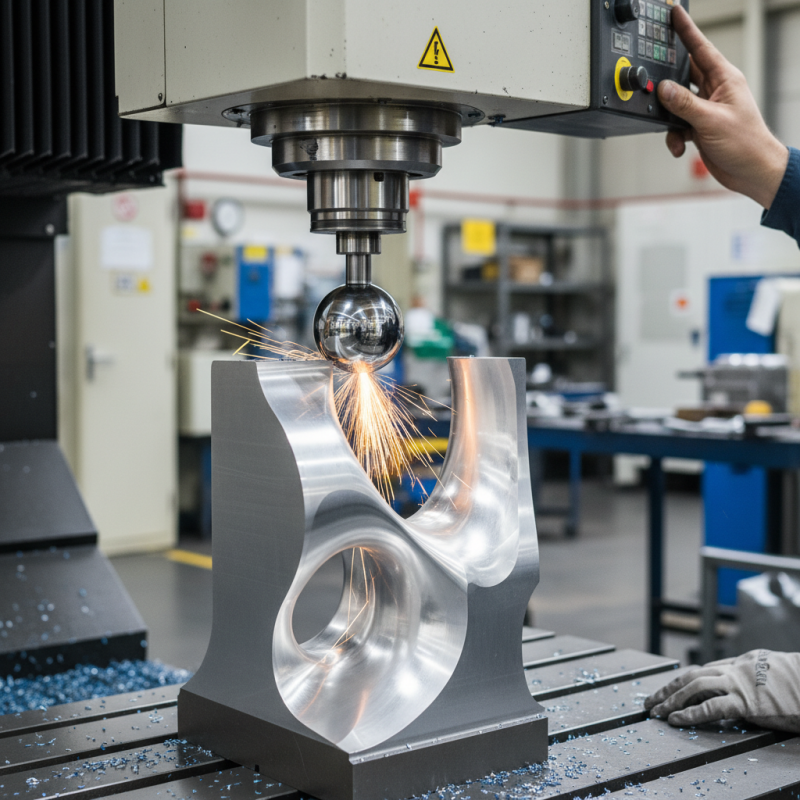
What is a Ball End Mill and How is it Used?

What is a Ball End Mill?

A ball end mill is a type of milling cutter. It is characterized by a spherical end. This design allows for creating curved surfaces and complex shapes. Ball end mills are widely used in industries ranging from aerospace to manufacturing. They excel in machining 3D contours.

The versatility of ball end mills is notable. Data from industry reports indicate that they can achieve surface finishes of 0.2µm Ra. This level of precision is critical in applications like mold-making. Furthermore, they are capable of milling a variety of materials, including hard metals. However, wear can be an issue with softer materials. This can lead to reduced accuracy over time.

Using a ball end mill requires attention to detail. Feed rates and spindle speeds must be optimized. A mismatched speed can result in poor surface quality. Interestingly, some users overlook tool selection. The wrong choice can lead to inefficiencies and unnecessary costs. Continuous learning through experimentation is key. Adjustments based on real-world use can improve results significantly. This process invites reflection on best practices in machining.

Construction and Design Features of Ball End Mills

Ball end mills are essential tools in the machining process. They have a unique design that features a rounded end, which distinguishes them from standard end mills. This shape allows for more versatile cutting actions. With the curved edge, they can create complex shapes and contours, making them ideal for applications like 3D machining.

The construction of ball end mills typically includes high-speed steel or carbide as the main material. These materials deliver durability and precision. The design often features a spiral fluting pattern, which helps chip removal and provides better surface finishes.

However, this design can also lead to challenges. For instance, if not used correctly, it can cause chatter and lead to poor surface quality.

Users must pay attention to cutting parameters. Feed rates, depth of cut, and spindle speeds are crucial for optimal performance. Some beginners may struggle with these settings. Misjudging them can lead to tool wear or workpiece damage. These are areas for improvement and reflection for many machinists.

Applications of Ball End Mills in Machining

Ball end mills play a vital role in machining. These tools are used to create complex shapes and contours. Their rounded edges allow for deep cavities and intricate designs. Industries like aerospace and automotive rely heavily on ball end mills. According to a recent report, 30% of all machining operations involve these specialized tools.

Applications of ball end mills are diverse. They excel in machining materials like aluminum, plastic, and some steels. They are perfect for 3D shapes, especially during finishing processes. This precision leads to high-quality surfaces. Yet, they can wear down quickly if not managed properly. A study showed that improper feeds can reduce tool life by up to 50%.

Tips: Always use the appropriate speeds and feeds for the material type. A slower feed rate for harder materials can yield better results. Monitor the tool's performance and replace it as necessary. This can prevent costly downtime. Remember, machining is an evolving field. Continuous learning is vital for maximizing both efficiency and quality in your work.

Advantages of Using Ball End Mills

Ball end mills are essential tools in the machining industry. They are designed for intricate contours and complex shapes. The unique design features a semi-spherical tip, which offers distinct advantages over traditional flat end mills. One significant benefit is their ability to create smooth, curved surface finishes. This feature is vital in industries like aerospace and automotive, where precision is crucial.

According to a report by the Global Cutting Tool Market, the demand for ball end mills is projected to grow significantly. In fact, the use of these tools can result in increased efficiency by 20% in specific applications. This efficiency often leads to reduced machining time and less material waste. However, the initial cost of high-quality tools can be a concern for smaller manufacturers. Striking the balance between quality and affordability is challenging but necessary.

Users also note the versatility of ball end mills. They can work on various materials like aluminum, plastic, and steel. However, improper usage can lead to tool wear or failure. It's essential to follow best practices in feed rates and speeds. Some manufacturers report that up to 30% of tool life can be lost due to inadequate techniques. This highlights the need for continuous learning and adaptation in machining processes.

Best Practices for Operating Ball End Mills

Ball end mills are essential tools in machining. They create curved surfaces and complex shapes. To maximize their effectiveness, it is crucial to operate them correctly.

Before using a ball end mill, ensure it is sharp. Dull tools can lead to poor results. Check the feed rate and speed settings. Too fast or too slow can damage the tool or the material. Maintain a consistent depth of cut. Uneven depths can cause chatter, affecting both precision and finish.

Regularly monitor the machining process. Watch for vibrations or unusual sounds. These often indicate an issue. Don't hesitate to adjust parameters if needed. Experimenting with different settings helps improve outcomes. Lastly, clean the tools after use. This simple step prolongs their lifespan and maintains performance.

What is a Ball End Mill and How is it Used? - Best Practices for Operating Ball End Mills

Dimension Type Material Used Typical Applications Best Practices
1/8" Ball End Mill Carbide Small detailed work, engraving Use high RPM, slower feed rates
1/4" Ball End Mill HSS Rounding corners, contours Maintain consistent coolant flow
1/2" Ball End Mill Coated Carbide 3D contouring, complex shapes Progressively increase depth of cut
3/4" Ball End Mill Uncoated Carbide Profiling, slotting Use moderate cutting speeds