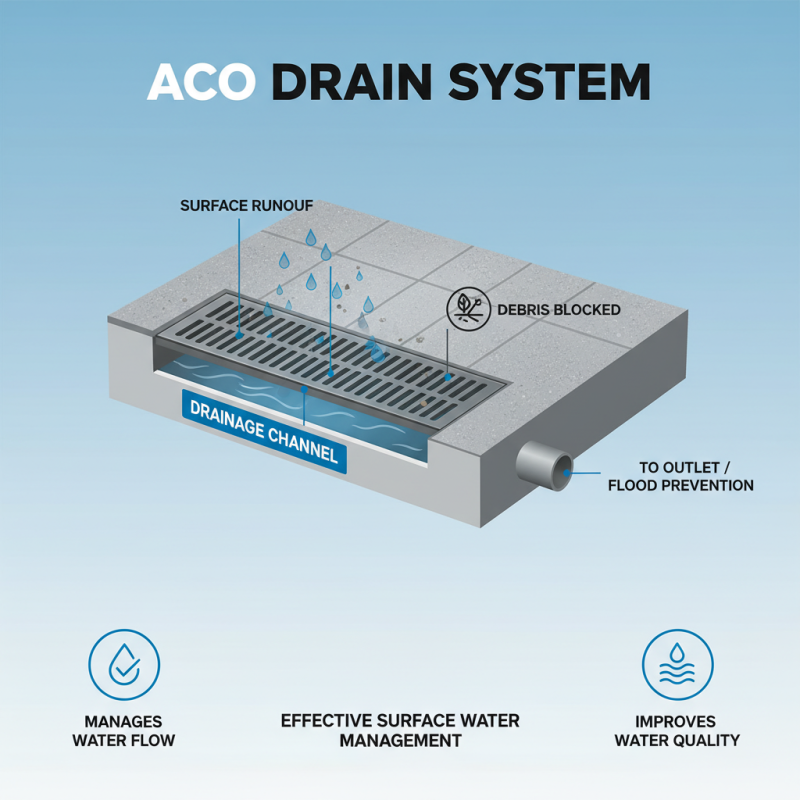
Understanding the ACO drain is essential in today’s infrastructure landscape. An ACO drain, often used in construction and landscaping, effectively manages water runoff. This linear drainage system channels water away from surfaces, preventing flooding and erosion. Its design features a grating system that collects excess water, ensuring proper drainage.
Many areas require reliable solutions to manage stormwater. ACO drains serve urban environments, parking lots, and roadways. They help maintain safety by reducing slip hazards during heavy rain. However, not all installations are perfect. Poor design or improper placement can lead to issues like water pooling. Regular maintenance is necessary to keep these systems functional. Understanding the ACO drain’s specific function and its applications is crucial for effective implementation.

An ACO drain, or drainage channel, is designed to manage water runoff effectively. It typically features a slotted cover that allows water to flow in while blocking debris from entering. This structure is crucial in preventing flooding and maintaining surface water quality. Proper installation ensures that the drainage system functions effectively.
In many outdoor applications, ACO drains are integrated into pavements, garages, and driveways. They guide water away from structures, reducing erosion risks. However, improper placement can lead to issues. For example, if positioned incorrectly, they might collect debris and get clogged. Regular maintenance is essential to keep the channels functioning properly.
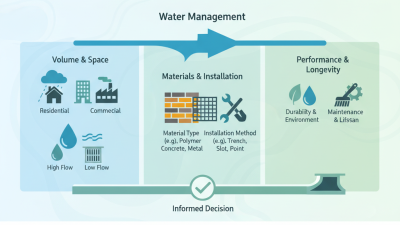
Understanding how an ACO drain works helps in making better choices outdoors. Homeowners should consider their specific needs. Are they managing large water volumes? Or do they need a simple solution for smaller areas? These questions guide the selection of the right drainage system. The goal is to achieve efficiency while ensuring durability and reliability.
ACO drains play a crucial role in modern water management systems. These drainage solutions are designed to efficiently remove excess water from surfaces, preventing flooding and erosion. According to recent industry reports, effective drainage systems can decrease water accumulation by up to 90% in urban areas. This is essential for maintaining road safety and protecting public infrastructure.
The functionality of ACO drains goes beyond simple water removal. They can also improve water quality by facilitating filtration. Many systems incorporate components that trap debris and contaminants, allowing cleaner water to flow into natural waterways. A study showed that proper drainage systems can reduce pollutants by over 60%. This means less environmental harm and better sustainability in our water resources.
Despite their advantages, ACO drains require regular maintenance to function optimally. Blockages can occur from debris buildup, affecting performance. Regular inspections are vital. Neglecting maintenance can lead to significant issues, such as flooding during heavy rains. Balancing efficiency with upkeep remains a challenge for many municipalities. Understanding these factors is essential for effective water management strategies.
ACO drains play a critical role in various industries. These drainage systems efficiently channel water away from surfaces, preventing flooding and water accumulation. They come in various sizes and designs, catering to specific needs. For example, in urban areas, ACO drains help manage stormwater runoff effectively. This reduces the risk of water pooling on roads and sidewalks.
In the agricultural sector, ACO drains facilitate irrigation and drainage. They help maintain optimal soil moisture levels. Farmers rely on these systems to enhance crop production. However, their installation requires careful consideration. Improper placement can lead to inefficient water flow. Consequently, it may hinder agricultural productivity.
Moreover, ACO drains find applications in industrial settings. They manage wastewater and protect the environment from contamination. This is crucial for industries that handle hazardous materials. Nevertheless, the initial cost of installation can be significant. Companies must weigh their options and consider long-term benefits. Ultimately, ACO drains play a vital role across multiple sectors, but effective implementation is key to maximizing their potential.
Installing an ACO drain requires careful planning. It’s essential to determine the right location for optimal water flow. Consider areas prone to pooling or flooding. Mark the installation spot clearly. Check local guidelines to ensure compliance. Accurate measurements are vital. Any mistake could lead to inefficient drainage.
When installing, ensure the trench is level. This will promote proper drainage. Use gravel or sand at the base for stability. Make sure the drain fits securely. Misalignment can cause clogs. Once installed, observe the surrounding area for signs of trouble. Water should flow freely into the drain, not puddle nearby.
Maintenance is equally important. Regular cleaning prevents buildup. Use a gentle brush or water to clear debris. Inspect for any cracks or damage. If issues arise, repairs should be prompt to avoid larger problems. Keep the area around the drain clear of leaves and dirt. This promotes efficiency and longevity. Regular checks can make a significant difference in performance.
This bar chart illustrates the maintenance frequency required for different applications of ACO drains over the course of a year. The data indicates how often maintenance should be performed in various settings, ensuring optimal functionality and longevity.
ACO drains play a crucial role in stormwater management. These systems are designed to control the flow of water, reducing flooding risks in urban areas. They capture rainwater effectively, directing it to drainage systems. This process prevents water pooling on streets and helps maintain clear pathways.
Using ACO drains brings various benefits. They help to manage surface water efficiently. With proper placement, these drains can minimize erosion and the risk of water damage to properties. A well-designed ACO drainage system can enhance the longevity of nearby infrastructure. Imagine walking down a street without puddles after heavy rain. It improves safety for pedestrians and drivers alike.
Tips: Ensure your ACO drain is installed according to guidelines. Improper installation can lead to water issues. Regular maintenance is essential. Clogs can occur, which reduces efficiency. Keep an eye on your drainage system. Awareness of its condition helps you catch problems early.