
In recent years, PVC Tarpaulin has gained immense popularity. This versatile material offers numerous benefits. From outdoor events to industrial uses, its applications are vast.
PVC tarpaulin is durable and weather-resistant. It withstands harsh conditions, making it ideal for tents and covers. Many industries use it for branding. The vibrant colors attract attention, enhancing visibility.
However, the production process raises environmental concerns. PVC is not biodegradable, prompting discussions on sustainability. Users must weigh the advantages against the ecological impact. Despite this, PVC tarpaulin remains a top choice. Its practicality often overshadows the drawbacks. This guide will explore the best PVC tarpaulin uses, benefits, and types.
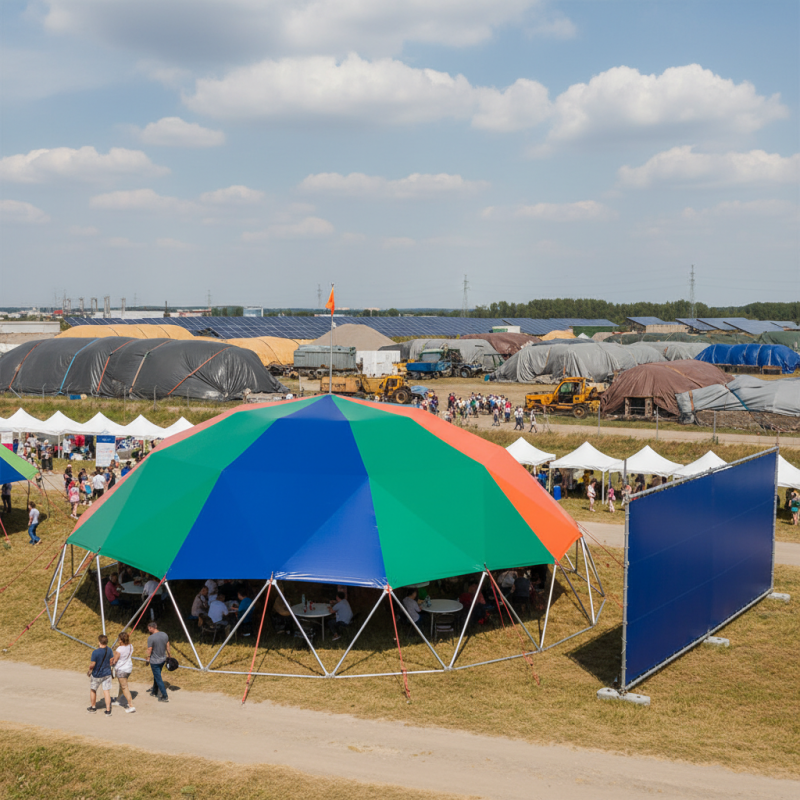
PVC tarpaulin, known for its durability, is made from polyvinyl chloride. This material is versatile and resistant to weather conditions. It consists of two main layers: an inner core and an outer coating. The core adds strength, while the coating provides resistance to abrasion. This combination makes it popular for various applications.
In practical terms, PVC tarpaulin is used for awnings, tents, and truck covers. It offers protection against the elements, making it ideal for outdoor purposes. The waterproof properties of PVC ensure contents remain safe from moisture. However, not every application may benefit equally. Some people have reported issues related to its weight and inflexibility over time.
Understanding the composition of PVC tarpaulin helps users appreciate its capabilities. While it serves well in many scenarios, there are limitations. For instance, extreme temperatures can affect its longevity. Some may find it challenging to repair if damaged. These factors highlight the importance of considering the specific use case before investing.
PVC tarpaulin is widely used in various industries and everyday life. Its durability and waterproof properties make it ideal for several applications. In construction, PVC tarpaulins are often used as protective coverings for equipment and materials. A report from the Markets and Markets research firm indicates that this segment is expected to grow significantly, with a projected 7.4% annual increase in demand.
In agriculture, farmers utilize PVC tarpaulins to cover crops and protect them from weather conditions. These tarpaulins can also act as temporary storage for harvested goods. Additionally, outdoor events frequently employ PVC tarpaulins for tents and canopies. They provide shelter and a welcoming environment for guests.
Tip: Always check the tarpaulin’s weight and thickness for better durability in high-stress situations.
In daily life, PVC tarpaulins serve many purposes. People use them for camping, boating, or as ground covers. They protect against moisture and dirt. However, it's essential to consider the environment. Improper disposal of PVC can lead to pollution. Be mindful of this when selecting materials for short-term use.
Tip: Look for recycling options for PVC products to reduce waste.
PVC tarpaulin is known for its exceptional durability. Unlike many materials, it maintains its strength in harsh weather conditions. This waterproof fabric resists tears and punctures effectively, making it ideal for outdoor applications. From tents to truck covers, its versatility is remarkable. It can be used in construction, agriculture, and even for custom awnings.
Another advantage of using PVC tarpaulin is its easy maintenance. Cleaning it requires minimal effort. A simple rinse usually does the trick. However, users often overlook the importance of proper storage. If not stored correctly, tarpaulin can develop mold over time, which can be frustrating. Considering this, users must ensure that it's dry before folding away.
In addition, PVC tarpaulin comes in various colors and finishes. This diversity allows it to fit into any design requirement. Despite its advantages, it's essential to remember that not all PVC tarpaulin is created equal. Some options may not hold up as well under constant exposure. Being aware of these differences can help individuals make informed decisions.
PVC tarpaulin is versatile. It is widely used in various applications. Its durability makes it ideal for outdoor conditions. There are several types of PVC tarpaulin, each serving different purposes.
One popular type is the high-frequency welded tarpaulin. This type is highly resistant to tearing and abrasion. It often features a smooth surface that is easy to clean. Another variation is the flame-retardant option. This is important for applications where fire safety is a concern. It is commonly used in tents and cover structures.
There’s also a heavy-duty variant, suitable for extreme weather. It can withstand harsh UV rays and heavy rain. Each of these types has unique specifications. Choosing the right one is crucial for achieving the desired results. While many benefits exist, some users note that it can be difficult to work with due to stiffness. Understanding these characteristics helps in making an informed decision.
To extend the lifespan of your PVC tarpaulin products, proper maintenance is essential. Regular cleaning can prevent dirt and mildew build-up. Use mild soap and warm water for cleaning. Always rinse thoroughly to remove any soap residue. Avoid harsh chemicals that may damage the material.
Store your tarpaulin products in a cool, dry place when not in use. Excessive heat can cause premature wear. Folding your tarpaulin instead of rolling it can also help maintain its shape. It’s easy to forget small details like these, yet they are crucial for longevity.
Inspect your tarpaulin regularly for any signs of damage. Look for cracks, tears, or fading. Addressing these issues early can save you money in the long run. A simple patch kit can fix small tears without needing a full replacement. Remember, neglect can lead to bigger problems down the line.
